
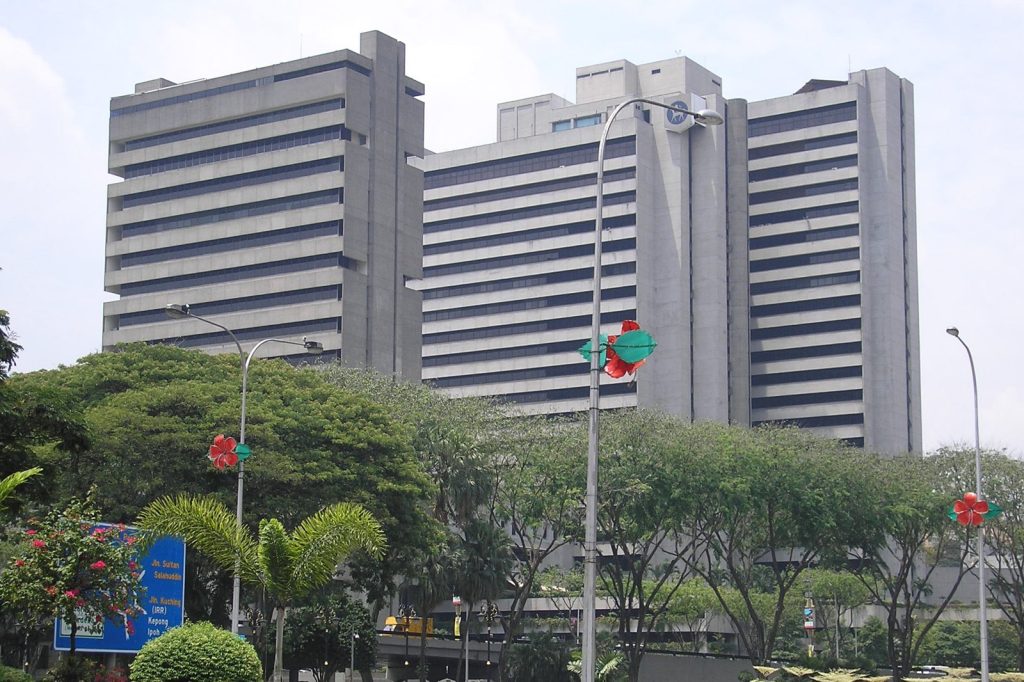
Malaysia’s central bank has increased the cost of borrowing again, marking the third adjustment to its benchmark rate in 2022. The overnight policy rate now stands at 2.5 percent, which is 75 basis points higher than the level recorded in January. The monetary policy committee approved the increase on Thursday, lifting the rate by a quarter of a percentage point.
As a result, the upper and lower bounds of the OPR corridor shifted together to 2.75 percent and 2.25 percent respectively. For holders of variable‑rate home loans or business lines of credit, the change translates directly into higher monthly payments.
The decision aligned perfectly with expectations; every one of the 17 economists surveyed by Bloomberg had forecast exactly this move, leaving no room for surprise. The only outcome that would have been unexpected was a hold on rates. This latest hike follows two earlier increases – one in May and another in July – that ended a prolonged period of record‑low borrowing costs.
Bank Negara described the pace of tightening as deliberate, emphasizing that the committee is not following a preset path. Instead, it will assess incoming data before deciding whether to pause or continue with further adjustments.
The current economic backdrop shows accelerating activity. Malaysia’s gross domestic product growth outlook for 2022 has been revised upward, with the Bloomberg consensus forecast climbing to 6.8 percent in September from 6.2 percent in August – a notable shift within a single month. Bank Negara attributes the momentum to stronger private‑sector spending. Growth, however, brings upward pressure on prices.
Headline consumer price index inflation is projected to peak in the third quarter of 2022 before easing, a moderation the central bank expects to stem from fading base effects and an anticipated softening of global commodity prices. These projections are treated as forecasts, not guarantees, given the volatility of commodity markets.
Core inflation, which excludes food and fuel, is anticipated to average near the top of the 2.0‑to‑3.0 percent band for the year. Bank Negara noted indications of demand‑driven price pressures emerging alongside already high costs, a situation economists describe as reflecting spending‑led increases rather than pure supply shocks. The interest‑rate differential with the United States has narrowed.
The Federal Reserve’s target range sits between 2.25 percent and 2.5 percent, while Malaysia’s overnight policy rate now matches the top of that band at 2.5 percent. Markets widely anticipate another 75‑basis‑point increase from the Fed later this month; should that occur, the gap would widen again, affecting the ringgit and capital flows.
Bank Negara warned of substantial risks to the outlook, though the statement did not enumerate them in detail. The context points to the historical tendency of global tightening cycles to end poorly, ongoing distortions in energy and food markets from the war in Ukraine, and unpredictable supply chains stemming from China’s zero‑Covid approach. As a small, open economy, Malaysia cannot control these external forces and can only adjust its own policy rate in the hope that it will be sufficient.
Three rate hikes within five months send a clear signal that the era of inexpensive money is over. The central bank has not committed to stopping at 2.5 percent; it will continue to evaluate evolving conditions.
Borrowers, businesses, and anyone drafting a budget for 2023 will be watching the next moves closely.




