
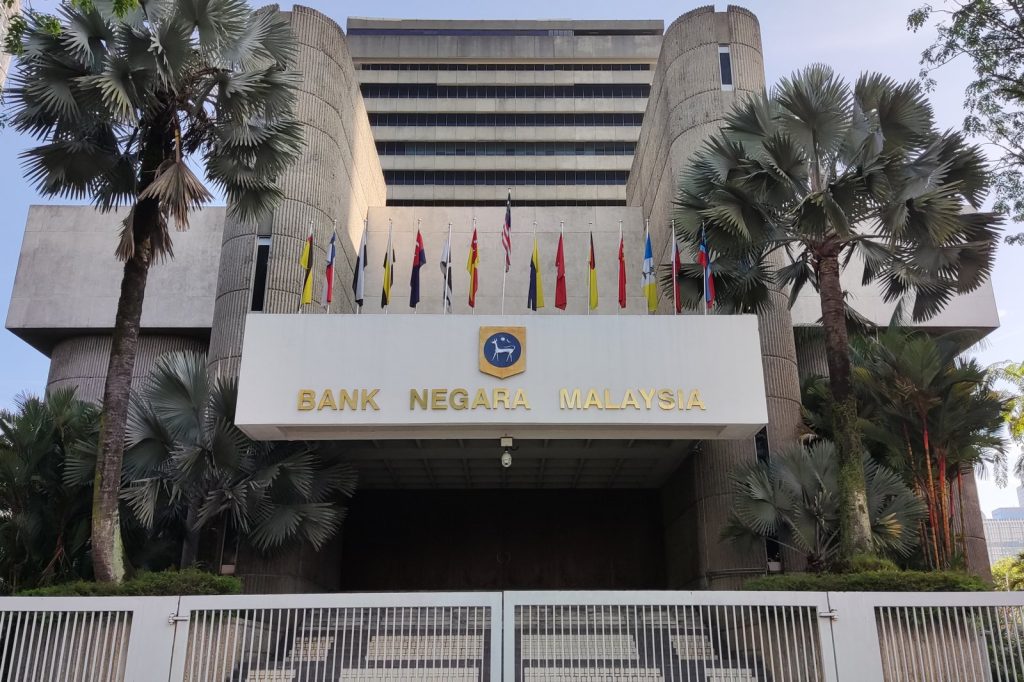
On Thursday, 8 September 2022, Malaysia’s central bank, Bank Negara Malaysia (BNM), increased its benchmark overnight policy rate (OPR) by 25 basis points, setting it at 2.5 percent. The move marks the Monetary Policy Committee’s (MPC) third rate rise this year, taking the cumulative increase to 75 basis points since the start of 2022 and nudging the policy rate nearer to the pre‑pandemic level of 3 percent. Correspondingly, the OPR corridor’s ceiling and floor were adjusted to 2.75 percent and 2.25 percent respectively.
All 17 economists surveyed by Bloomberg had predicted the hike, and the decision aligns with the latest consensus that Malaysia’s 2022 GDP growth outlook has risen to 6.8 percent from 6.2 percent a month earlier. BNM’s statement highlighted that private‑sector spending continues to underpin the economy, though the central bank cautioned that it is not following a predetermined path.
“The MPC will keep assessing evolving conditions and their implications for domestic inflation and growth,” the bank said. Inflation dynamics are expected to evolve over the coming months. Headline consumer‑price inflation is projected to peak in the third quarter of 2022 before easing, driven by the fading impact of base‑effects and a likely moderation in global commodity prices.
Core inflation – which excludes volatile items – is forecast to hover toward the upper bound of the 2 percent to 3 percent range for the year. The rate decision also narrowed the spread with the U.S. Federal Reserve, whose policy range sits at 2.25 percent to 2.5 percent.
The Fed is widely anticipated to add another 75 basis points later in September, further tightening global monetary conditions. BNM identified several downside risks to the domestic outlook. These include weaker global growth stemming from monetary tightening in major economies and pandemic‑related measures in China, heightened geopolitical tensions, and persistent supply‑chain disruptions.
The bank also flagged elevated cost pressures, a possible European energy crisis, and sharp tightening in financial markets as additional concerns. Despite these headwinds, BNM does not expect heightened volatility in global financial or foreign‑exchange markets to derail Malaysia’s recovery.
The central bank’s next MPC meeting is slated for November 2022, and analysts anticipate further rate adjustments, albeit potentially at a slower pace depending on incoming data. The current OPR level of 2.5 percent brings Malaysia closer to the rates observed in other regional economies and reduces the interest‑rate differential with the United States, a factor that could support the ringgit. Since July 2020, the OPR had been held at a historic low of 1.75 percent to cushion the pandemic’s impact; the recent hikes signal a gradual move toward policy normalization.
BNM reiterated that future policy moves will remain data‑dependent, with close monitoring of both domestic and international developments. This incremental approach aims to balance the need to sustain economic momentum while containing inflationary pressures.




