
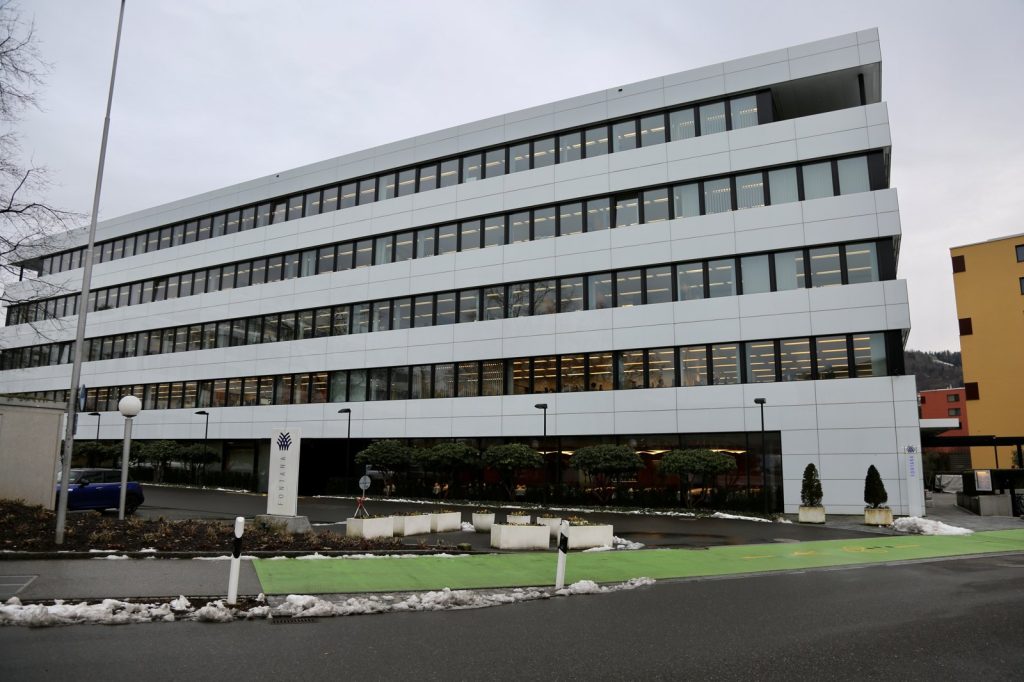
Glencore plc’s dominance in today’s zinc, copper, grain and oil markets is the result of a series of strategic moves that began with a pivotal management buyout in 1994. That transaction acquired Marc Rich + Co AG—a trading house founded in 1974—and laid the groundwork for what would evolve into one of the FTSE 100’s most valuable constituents. Headquartered in Baar, Switzerland, the firm runs its oil and gas operations from London and maintains a registered office in Saint Helier, Jersey.
This tri‑city structure—spanning a British Crown Dependency and two European capitals—mirrors the worldwide scope of Glencore’s activities. Even a decade ago, the company’s market share illustrated its scale.
In 2010, Glencore handled 60 % of the internationally tradable zinc market and half of the tradable copper market. Its grain business accounted for 9 % of global trade, while oil represented a smaller but notable 3 % share. Although these figures pre‑date the 2013 merger with Xstrata, they remain the most concrete public snapshot of the firm’s concentration in key commodities.
The 2013 merger marked a turning point. By combining with Xstrata, Glencore shifted from a leading trader to an integrated producer‑trader model, gaining ownership of extraction sites, processing facilities and a worldwide distribution network.
This vertical integration allows the company to influence the value chain at multiple points, providing flexibility when commodity prices fluctuate. Glencore’s production assets are spread across several continents, feeding a trading engine that moves raw materials from mines to end‑users. The ability to control both supply and distribution distinguishes it from pure‑play miners or traders, and gives it leverage in markets where it commands sizable shares. The 1994 buyout itself was a response to the volatile commodity environment of the 1970s and 1980s, a period characterized by price swings and aggressive deal‑making.
By taking control from the founder, the new management pursued a steadier expansion strategy, setting the stage for later growth through acquisitions and mergers. Glencore’s choice of jurisdictions is also purposeful.
The Jersey registration provides a distinct tax and regulatory framework, while the dual headquarters in Baar and London ensure a strong presence in both continental Europe and the City of London—the heart of the FTSE 100. For market observers, Glencore functions less as a single corporation and more as a system that can sway global prices. Its 60 % share of tradable zinc means that any adjustment in production or trading volume can move zinc prices worldwide.
The 50 % copper share exerts a similar influence on a metal critical to construction and electronics. Even its 3 % stake in oil places it among the notable players in a sector dominated by state‑owned enterprises.
The journey from a 1994 management buyout, through the 2013 Xstrata merger, to its present‑day status was not accidental. It was built “deal by deal, facility by facility, market share by market share,” with the early strategic decisions—buyout, integration focus, and jurisdictional positioning—still forming the backbone of Glencore’s global enterprise.




