
Start of the 2022 UK Labour Wave
On June 15, 2022, a series of labour strikes and industrial disputes commenced across the United Kingdom, touching multiple sectors of the national economy. The trigger was a combination of workers’ calls for better pay and improved working conditions set against a backdrop of rising inflation.
Railway Action Begins
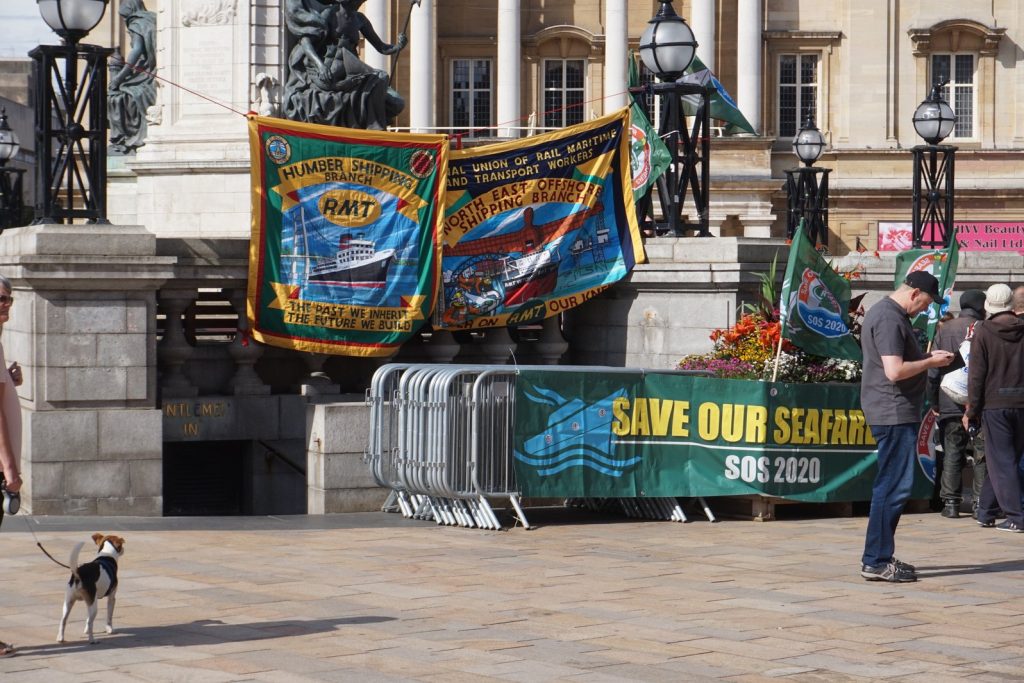
The first move came from members of the National Union of Rail, Maritime and Transport Workers (RMT), who voted to strike after rejecting proposed alterations to their pay structures and work schedules. This RMT action launched a pattern of one‑day walkouts that curtailed train services throughout much of the British mainland.
On days when the strike was in effect, only about twenty percent of the usual rail timetable remained operational, leaving the majority of services suspended.
Impact on Commuters and Business
The reduced rail capacity caused noticeable disruption for people who depend on trains for daily travel and for companies that rely on freight and passenger movements. The knock‑on effect was felt in urban centres and regional hubs alike, as commuters faced longer journeys or sought alternative transport.
Expansion Beyond Rail
Other railway unions quickly added their support to the RMT’s action, intensifying the pressure on the rail network. The railway disputes were not isolated; they formed part of a wider surge of labour unrest that spread to other industries as inflation continued to erode household budgets.
Broader Industrial Unrest
Workers in telecommunications, the postal service, the legal profession and freight logistics also voted to take industrial action, demanding wage increases that would keep pace with the rising cost of living. The movement illustrated that the push for better remuneration was not confined to transport alone but reflected a cross‑sectoral concern about earnings and workplace fairness.
Public Reaction and Campaigning
Public sympathy for the strikers was evident in the emergence of the Enough is Enough! campaign, which organised rallies and online support for those taking part in the strikes. The campaign stressed that the unrest was rooted in widespread anxiety over how inflation was squeezing living standards and argued that fair pay and decent conditions were essential responses.
Underlying Issues
As the strikes persisted, it became clear that the disputes addressed more than just salary levels. Participants highlighted concerns about working hours, job security and the long‑term viability of certain sectors under existing labour practices.
The involvement of employees from such varied fields pointed to a deep‑seated dissatisfaction with the state of labour relations in the country.
Potential Turning Point
Observers have suggested that the June 2022 wave could represent a watershed moment in the interaction between workers, employers and the government. The coordinated action across different trades may signal a shift in how labour grievances are voiced and addressed.
Looking Ahead
The eventual resolution of the disputes remains uncertain. Future developments will hinge on the government’s reaction to the strikes, the results of negotiations between unions and employers, and the broader economic consequences of the continued action.
The coming weeks will be crucial in shaping the trajectory of these industrial conflicts and their implications for the future of work in the United Kingdom.




