
DALLAS, September 11 — Match Group, the Dallas-based company behind Tinder, Hinge, Match.com, OkCupid and Plenty of Fish, is watching its paying subscriber base shrink, and it is not alone. The company that went public in 2015 after being spun off from IAC, the internet conglomerate founded by Barry Diller, has reported declining paying users and slowing revenue. Bumble Inc., the Austin-based company behind Bumble and Badoo, has reported the same.
The retreat is visible in app-store data. Tinder, launched in 2012, remains the highest-grossing dating app worldwide, but its paying subscriber count has fallen from its 2023 peak.
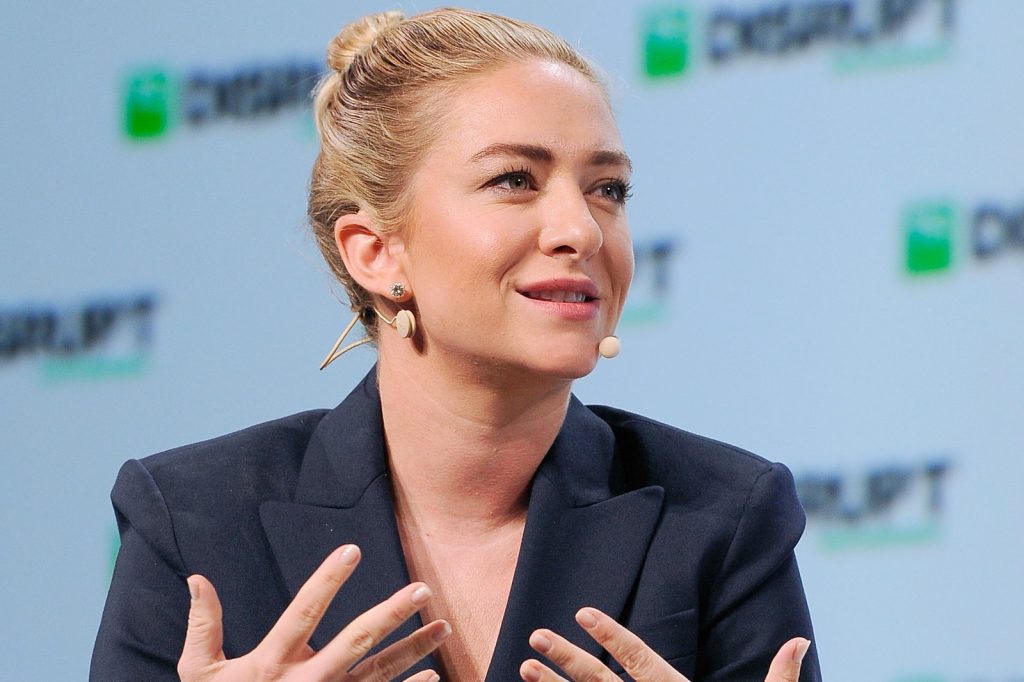
Bumble’s arc tells the story in miniature. Whitney Wolfe Herd founded the company in 2014, took it public in February 2021, and briefly became a billionaire on paper. The company has since struggled with slowing growth and a falling stock price.
A market that outgrew its forecasts
The broader dating-app market was valued at roughly US$9 billion in the early 2020s, with forecasts of double-digit annual growth. Those forecasts now look optimistic. Several forces are driving the decline.
App fatigue ranks first. Surveys by Pew Research Center and others show that a large share of US adults who have used dating apps report feeling burned out, with women reporting worse experiences than men.
Then there is the competition for attention. TikTok, Instagram and Discord have become de facto social discovery platforms, while in-person events and run clubs have gained popularity. Cost is another factor.
Tinder, Bumble and Hinge have introduced premium tiers costing US$20 to US$50 per month, and users complain that basic features are paywalled. Privacy and safety concerns have grown as well, with reports of scams, catfishing and harassment, and regulators in the US and Europe scrutinizing age verification and data practices.
What the companies have tried
Tinder introduced “Tinder University” and AI-powered matching. Bumble redesigned its app in 2024 to focus on women’s experience. Hinge launched “Hinge Prompts” and a “Designed to be Deleted” campaign.
None has yet reversed the decline. The stakes reach beyond boardrooms.
Match Group and Bumble are both publicly traded, and their share prices have fallen sharply from 2021 highs. The trend is global, but most acute in the US, where the apps first took off. For communities and families across the region, the shift is about how young people spend their time online — less in dedicated apps, more in social and entertainment platforms, and growing skepticism about paying for digital connection.
The next chapter may be AI matchmakers, niche apps, or a return to meeting in person. For now, the swipe is losing its grip.




