
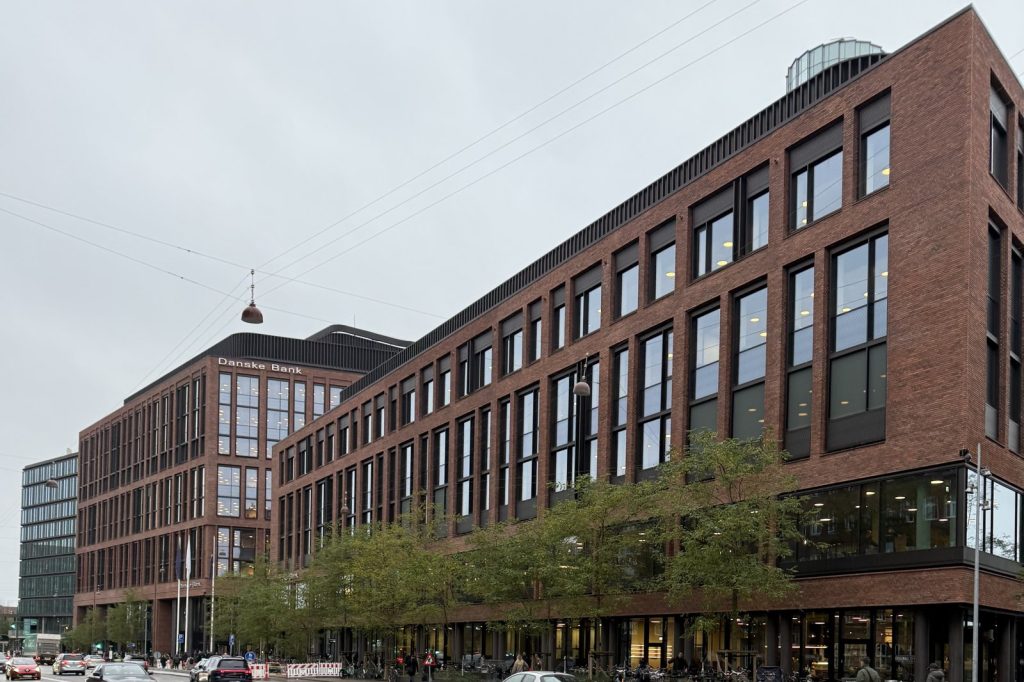
Denmark, December 20, 2022 — cybernewschronicle.com — Denmark’s largest bank admitted it was a conduit for dirty money. The guilty plea, entered in 2022, closes one door. But the building has many rooms.
For years, roughly €800 billion in suspicious transactions flowed through Danske Bank’s Estonian branch. That is not a typo.
Eight hundred billion euros. The branch, a small outpost in the Baltics, became a pipeline for money from Russia and other former Soviet states. The bank’s headquarters in Copenhagen was supposed to be watching.
It was not. The scandal broke in 2017 and 2018.
The numbers were so large that authorities called it possibly the largest money laundering scandal in history. The bank, founded in 1871 as Den Danske Landmandsbank, Hypothek- og Vexelbank i Kjøbenhavn, had a long history. It changed its name to Den Danske Bank in 1976 and shortened it in 2000.
It serves over 5 million retail customers across northern Europe. It is a pillar of Danish finance. A.P.
Moller Holding, the investment arm of the Maersk family, held 21% of the share capital as of 2020. That is the same family that built a global shipping empire.
The scandal tainted that connection. The guilty plea is an admission. The bank accepted responsibility for failures in anti-money laundering controls.
But a plea does not erase the question of how this happened. The Estonian branch handled non-resident clients.
The bank’s oversight was weak. The flow of suspicious transactions ran from 2007 to 2015. That is eight years.
Eight years of hundreds of billions moving through a single branch in a small country. The bank did not stop it. Regulators did not stop it.
It took a leak, a whistleblower, and investigative journalists to break the story. The legal consequences are still unfolding.
The plea resolves a central element of the case, but the full scope of financial penalties and further investigations remains open. The bank faces civil suits. Shareholders are angry.
The reputation of Danish banking took a hit. The Maersk family, through A.P.
Moller Holding, saw its investment tarnished. What does this mean for the future? The scandal exposed a weakness in the global financial system.
Small branches of large banks can move enormous sums with little scrutiny. Estonia, a former Soviet republic, was a gateway. The money came from Russia and other states.
The bank’s headquarters in Copenhagen was too far away, or too indifferent, to act. The plea is an admission of that failure.
Other banks are watching. Regulators are watching. The Danske Bank case set a precedent.
A major Western bank pleaded guilty to money laundering on a staggering scale. The fine will be large.
The damage to the brand is permanent. But the question remains: will other banks change their behavior, or will they wait for the next scandal? The bank serves 5 million retail customers.
Those customers did not cause the scandal. They are the ones who will pay for it in higher fees and lost trust. The bank’s leadership changed.
New compliance systems were installed. But the memory of €800 billion in suspicious transactions does not fade quickly.




