
A Biodiversity Hotspot Under Pressure
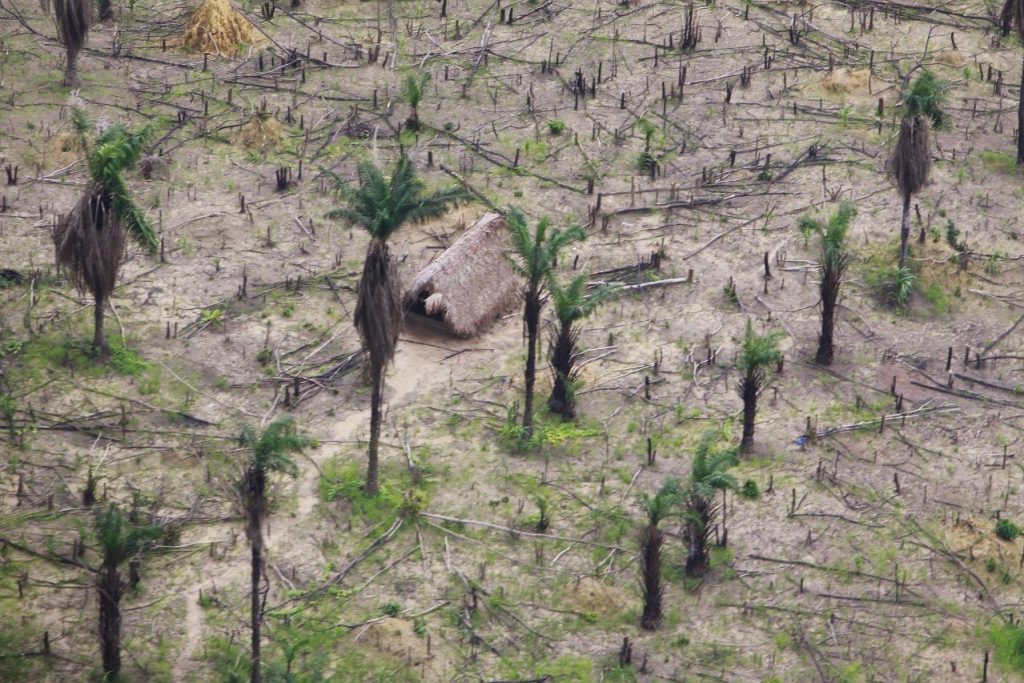
Liberia’s forests cover roughly 45% of its land area—an estimated 4.3 million hectares. These woodlands are part of the Upper Guinean forest ecosystem, a recognized biodiversity hotspot that stretches across coastal West Africa. The country’s tree cover, along with its wetlands, rivers, and coastlines, is not merely scenic. It forms the backbone of daily life for many Liberians, providing food, water, and livelihoods. Yet these ecosystems are under continuous assault. Illegal logging operations strip valuable timber without regard for regulation. Artisanal and small-scale mining, much of it unlicensed, scars the landscape and contaminates waterways. Meanwhile, the clearing of land for agriculture steadily reduces forest cover.
The damage is already visible. Past environmental degradation has resulted in soil erosion that reduces agricultural productivity, water pollution that harms fisheries and drinking supplies, and loss of biodiversity that weakens the resilience of entire ecosystems. Key rivers such as the St. Paul, Lofa, and Cavalla are central to this story. They sustain communities and ecosystems alike, but they are vulnerable to the same pressures that threaten the forests. The government’s ability to protect these waterways while allowing responsible economic activity will be a critical test of Boakai’s new policy direction.
A History of Resource Extraction and Its Consequences
Liberia’s economy has long depended on resource extraction. Iron ore, rubber, and timber are major exports. The country’s economic history is deeply intertwined with these commodities. In the early 20th century, large investments in rubber production by the Firestone Tire and Rubber Company transformed the workforce and the climate. Later, infrastructure investments during World War II contributed to national wealth. But political stability faltered in 1980 when a military coup ended the rule of Americo-Liberians—descendants of freed and free-born Black Americans and Afro-Caribbeans brought to Africa by the American Colonization Society in the early 19th century. That coup led to a period of dictatorship and two civil wars that devastated the country.
Liberia declared independence in 1847 and is the oldest continuously independent country in Africa, having avoided the European colonial Scramble for Africa. But the nation now faces a tension between its history of resource extraction and the imperative of environmental stability. Because the economy relies so heavily on exports like timber, rubber, and iron ore, the government must carefully manage the depletion of its natural assets. This balance directly affects the food, water, and livelihoods of the local population.
The Road Ahead: Enforcement and International Cooperation
For Liberia, balancing development and conservation is a long-term challenge. President Boakai’s July 16 statement appears to be a direct response to that tension, emphasizing a move toward sustainable development. Yet the challenges are formidable. The government’s ability to enforce stricter penalties against illegal logging, to regulate mining operations, and to protect the St. Paul, Lofa, and Cavalla river systems will determine whether the policy shift translates into real action.
International cooperation will be critical. Liberia’s reliance on resource extraction means that any shift away from that model will require careful planning, robust enforcement, and support from global partners. The coming months will reveal whether President Boakai’s words translate into action. Will there be stricter enforcement against illegal logging? Will new regulations protect the river systems? And can Liberia find a path that lifts its economy without sacrificing the forests and waters that sustain its people? For now, the message from Monrovia is clear: the country’s natural wealth is not infinite, and its protection is no longer optional.
Background: Liberia is a republic on the West African coast, bordered by Guinea, Sierra Leone, and Ivory Coast. The nation’s modern history began with the American Colonization Society’s project to resettle freed and free-born Black Americans and Afro-Caribbeans in Africa. Those settlers developed an Americo-Liberian identity and colonized the indigenous population. Despite that complex legacy, Liberia avoided European colonization and has been independent since 1847.
{“@context”: “https://schema.org”, “@type”: “NewsArticle”, “headline”: “Liberia’s Forests Face Growing Pressures from Illegal Logging and Mining”, “description”: “A Biodiversity Hotspot Under Pressure Liberia’s forests cover roughly 45% of its land area—an estimated 4.3 million hectares. These woodlands are part of the Upper…”, “datePublished”: “2026-07-17T09:30:00+00:00”, “author”: {“@type”: “Person”, “name”: “Ethan Smith”}, “publisher”: {“@type”: “Organization”, “name”: “InfoPulse Today”, “url”: “https://newsfeed.infopulsetoday.com/”}}




