
Wuhan’s lockdown did not happen in a vacuum. The decision to seal off the city on January 23 came after weeks of mounting pressure. The novel coronavirus had already spread beyond the city’s borders.
Deaths were climbing. Infections were multiplying.
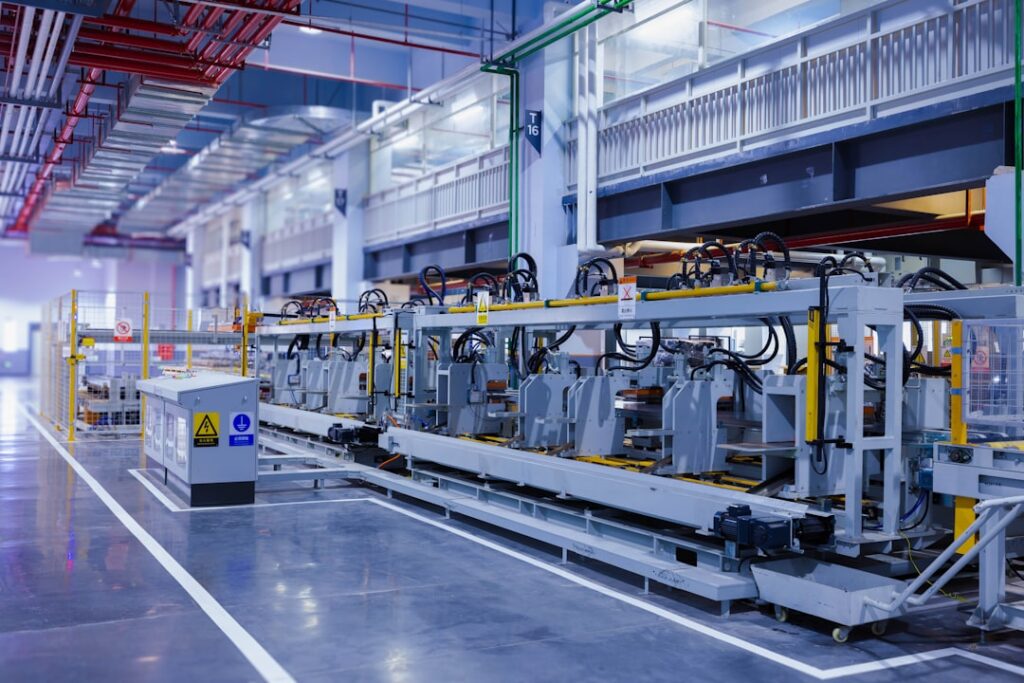
For Beijing, the choice was stark: contain the outbreak or watch it consume the nation. The city they chose to isolate is no ordinary industrial hub. Known locally as “motor city,” Wuhan houses sprawling manufacturing plants for Renault, Honda, and Peugeot owner PSA Group.
These are not small operations. Renault’s factory alone employs roughly 2,000 people.
Its annual production capacity stands at 300,000 vehicles. Last year, the company sold more than 170,000 units within China. Those numbers now sit frozen.
The timing could not be worse. China’s auto industry entered 2020 already bruised. Car sales had dropped significantly throughout 2019.
A recession was brewing. Factory closures and travel bans now threaten to deepen that downturn.
Analysts warn the disruption will not stay local. Supply chains stretch across the globe. A halt in Wuhan means parts shortages in factories from Detroit to Stuttgart.
Renault felt the pain almost immediately. News of the lockdown sent its stock down 5 percent earlier this week.
Investor confidence, already fragile, cracked. The company confirmed its Wuhan operations are under a complete standstill. No production.
No timeline for restart. The website states the facts plainly. The market read them as a warning.
The human cost runs parallel to the economic one. Thousands of workers face lost wages.
Jobs are at risk. The Chinese government frames the quarantine as a necessary public health measure. It is that.
But necessity does not erase consequence. A city of millions is now cut off.
Transportation is halted. Industrial operations are suspended. The machinery of daily life has stopped.
This is not the first time a disease has reshaped an industry. But the speed of this disruption is unusual. The lockdown came without warning.
Companies had no time to adjust. Inventories were not shifted.
Production lines were left mid-cycle. The global auto sector now waits, watching for signs of when—or if—Wuhan restarts. For Renault, the stakes are particularly high.
The French manufacturer had been banking on its Chinese operations to offset weakness in Europe. Those plans are now on hold.
The 300,000 vehicles that could have rolled off the line this year may never be built. The 170,000 units sold last year offer little comfort to investors staring at a 5 percent drop. The broader picture is grim.
The automobile industry was already reeling from a significant sales decline in 2019. The lockdown in Wuhan acts as an accelerant to an existing fire. Travel bans compound factory closures.
Supply chain disruptions compound worker shortages. Each layer of the crisis feeds the next.
Beijing has made its choice. Public health comes first. The economic fallout will be dealt with later.
For now, the motor city sits silent. Its factories are empty.
Its workers are home. The global auto industry holds its breath.
{“@context”: “https://schema.org”, “@type”: “NewsArticle”, “headline”: “Wuhan lockdown aimed to contain coronavirus spread in China’s “motor city”, “description”: “Wuhan’s lockdown did not happen in a vacuum. The decision to seal off the city on January 23 came after weeks of mounting pressure. The novel coronavirus had al”, “datePublished”: “2020-01-25T15:00:00+00:00”, “author”: {“@type”: “Person”, “name”: “InfoPulse Today”}, “publisher”: {“@type”: “Organization”, “name”: “InfoPulse Today”}}




