
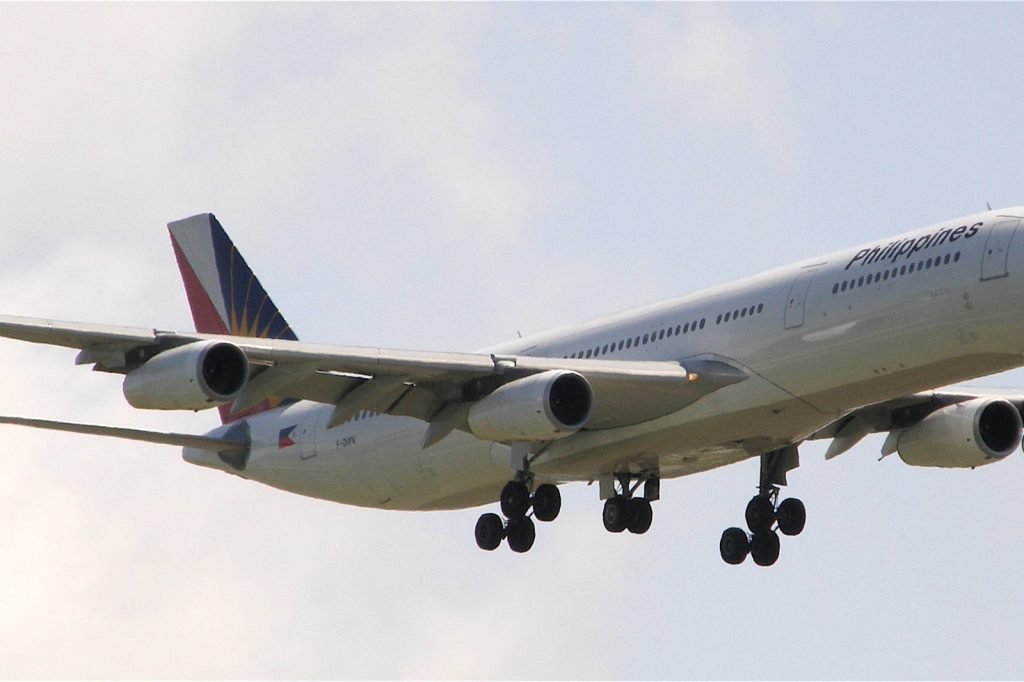
Philippine Airlines has eliminated change and cancellation fees for tickets to seven Chinese destinations, effective Monday, 27 January 2020. The waiver applies to flights to Beijing, Guangzhou, Hong Kong, Jinjiang, Shanghai, Macau, and Xiamen. Passengers with tickets booked for travel between 24 January and 9 February can now postpone, reroute to another PAL destination once, or cancel for a full refund without incurring the airline’s standard USD 50 to USD 150 change fee. Rebooked trips must be completed by 30 June.
If the new ticket costs more, passengers pay only the fare difference with no additional service charge from the airline. However, travelers who booked through a travel agency must still process any changes through that agency.
“We are carrying out this move to give our passengers with flights to and from China the flexibility to make adjustments in their travel plans,” spokesperson Cielo Villaluna told reporters. The policy shift comes as the Wuhan coronavirus spreads across borders. Philippine Airlines follows similar moves by Cathay Pacific, Singapore Airlines, and Japan’s ANA.
The airline is not leading this trend but responding to the same pressures that drove competitors to act. The waiver covers every ticket to those seven cities, not just select bookings, as the airline yields seat rules to stem virus flow, according to its advisory.
Hours before PAL’s announcement, the Bureau of Quarantine and the Manila International Airport Authority imposed mandatory fumigation on every inbound flight originating from any Chinese city. Crews must spray cabins and cargo holds while planes sit on the tarmac. A disinfection certificate is required before passengers can disembark.
This order applies to all flights from China, not only the seven cities covered by PAL’s waiver. The twin measures—airline flexibility and airport fumigation—reflect how rapidly the situation changed.
On 24 January, the virus was still largely confined to Wuhan. By 27 January, it had crossed borders. Philippine Airlines is bending its revenue structure to discourage passengers from flying into a crisis zone or spreading the virus further.
Passengers now face a real choice: fly to Beijing, Shanghai, or Hong Kong and risk quarantine, infection, or being stranded, or cancel with their money returned. The waiver only runs until 9 February.
After that, the old penalties snap back unless the airline extends the policy. The outbreak will not wait for that deadline. Manila’s airport order adds further pressure.
Fumigation on every inbound China flight means delays, longer tarmac times for planes, and new pressure on crews. The disinfection certificate is a physical document that must be presented before passengers exit, adding a bureaucratic step to an already strained system.
Philippine Airlines did not invent this response. It copied Cathay Pacific, Singapore Airlines, and ANA. But copying the right move quickly matters when lives and travel bookings are both at risk. The airline is not offering refunds forever.
It is offering a window. Passengers have until 9 February to decide.
After that, the old fees return. The virus will not wait. The planes will keep flying to those seven cities.
But now, at least, the passengers have a way out.




