
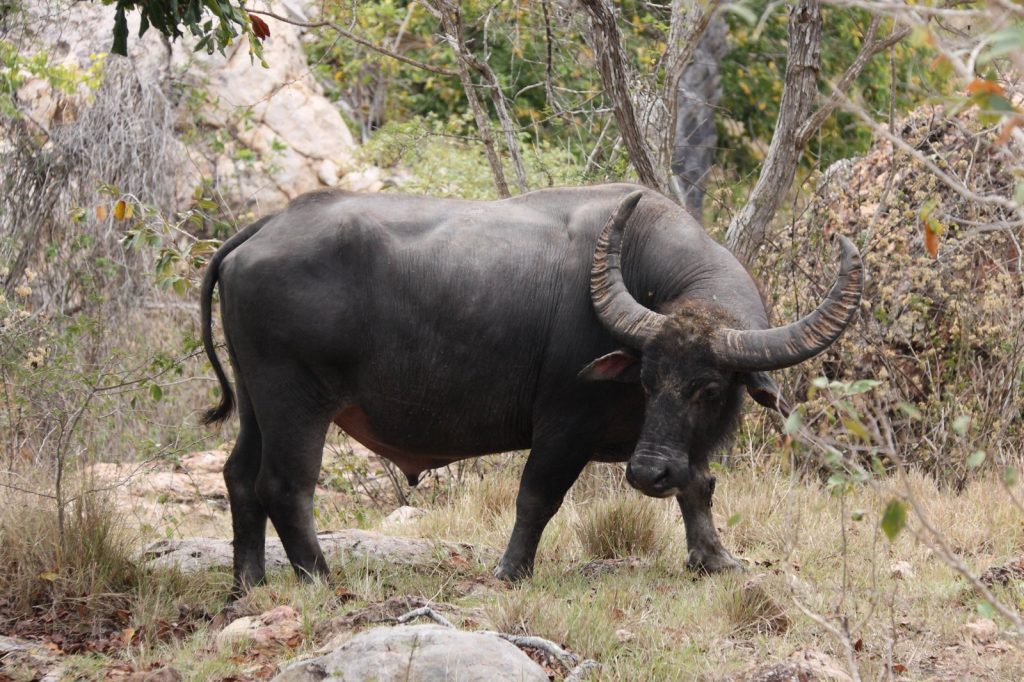
What happens to a glass of milk when the temperature climbs past 38°C and the air turns thick with monsoon humidity? A new study in Scientific Reports has traced a stark answer: production nosedives, especially among the buffalo herds that supply much of India’s dairy.
Researchers examined over a decade of data — from 2004 to 2019 — across 1,148 villages in Haryana, a state that forms part of the trans-Gangetic plains and what the study calls “the high milk production tract.” They looked at 35.56 million buffaloes, 4.66 million cross-bred cattle, and 2.86 million indigenous cattle, then matched milk yields against climatic variables: yearly minimum, maximum, and mean temperatures, heavy rainfall, the temperature-humidity index, and evapotranspiration. The finding is blunt.
High temperatures above 38°C, combined with humidity over 70% during July and August — when summer heat meets the monsoon — “significantly reduce milk production.” Winter temperatures, intriguingly, had negligible effect. India is the world’s largest milk producer. The trans-Gangetic plains of the northwest are one of its biggest sources.
So a climate-driven drop in yield here doesn’t just matter to farmers; it reaches every consumer who buys milk daily. The study also flagged evapotranspiration in May and June as an important factor, alongside the temperature-humidity index.
Solar radiation, ambient temperature, and vapour pressure were all part of the climate assessments the scientists used to understand what was hitting the herds. How it works: the combination of extreme heat and high humidity creates a physiological strain that the study’s authors say acutely undermines dairy production across the global south. Buffaloes, which dominate Haryana’s dairy herds, appear particularly vulnerable.
What researchers found points to a quiet but profound shift in one of the world’s most essential food systems. The science behind it is clear: as global warming pushes summer temperatures higher and monsoon humidity stays heavy, the window for comfortable milk production narrows. Adaptive strategies will be needed.
With agrarian livelihoods in the region likely to be affected profoundly, the question now is what can be done — before the next hot July arrives.
{“@context”: “https://schema.org”, “@type”: “NewsArticle”, “headline”: “Climate change slashes milk output in Gangetic plains”, “description”: “What happens to a glass of milk when the temperature climbs past 38°C and the air turns thick with monsoon humidity? A new study in…”, “datePublished”: “2026-07-06 03:30:00T09:30:00+00:00”, “author”: {“@type”: “Person”, “name”: “Henry Thomas”}, “publisher”: {“@type”: “Organization”, “name”: “InfoPulse Today”, “url”: “https://newsfeed.infopulsetoday.com/”}}




