
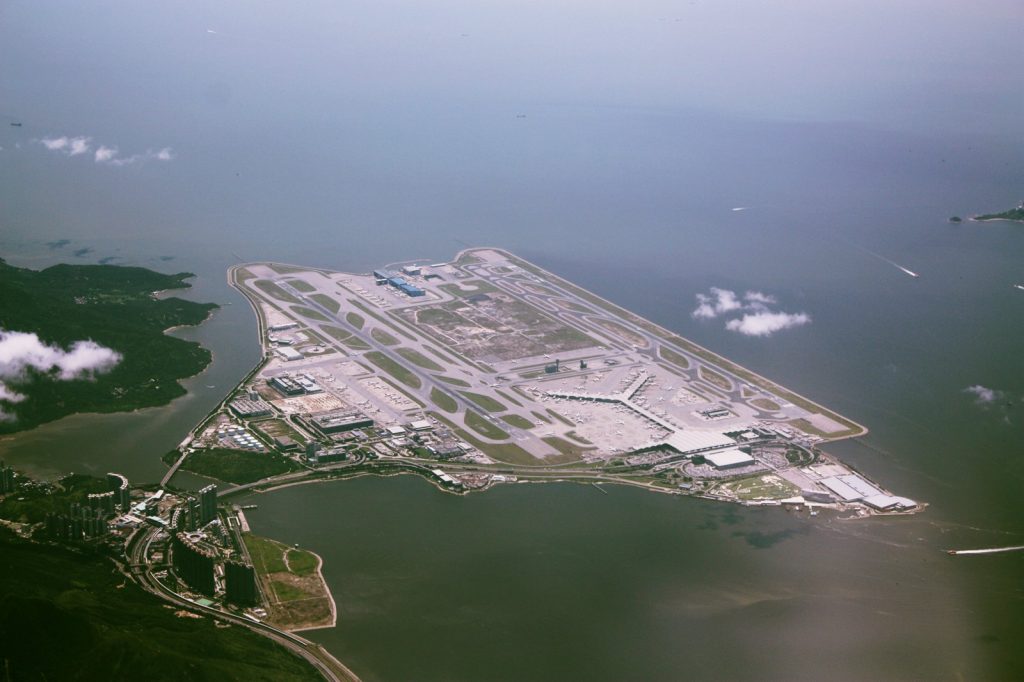
Hong Kong International Airport recorded a 16 percent decline in passenger traffic for November 2019, a figure that has become a focal point in the ongoing difficulties faced by Cathay Pacific Airways. Once a bustling gateway, the airport now shows noticeably fewer travelers, empty gates and reduced queue lengths.
The downturn in traffic has directly impacted Cathay Pacific, the carrier that relies heavily on the airport’s passenger flow. On 20 January 2020, the airline informed its 27 000 employees that they could apply for up to one month of unpaid leave. Pilots and cabin crew were the first groups offered this option, a move that reflects the airline’s effort to cut costs without resorting to outright layoffs.
Cathay Pacific has not announced any job reductions, but it has trimmed flight schedules and reduced salaries on a voluntary basis. The airline’s financial performance for the full year is expected to reveal sizable losses, as the carrier reported a fourth consecutive month of double‑digit passenger declines by the end of 2019.
The passenger slump follows a seven‑month period of large‑scale pro‑democracy protests in Hong Kong, which severely affected the city’s economy. During that time, mainland Chinese travelers began boycotting Cathay Pacific, perceiving the airline’s staff as sympathetic to the protest movement. Although Cathay Pacific publicly attempted to distance itself from the protests, the boycott persisted, damaging its reputation among a key customer segment in mainland China.
A Cathay Pacific spokeswoman highlighted the airline’s “voluntary lifestyle rosters” for Cathay Dragon flight crews, describing them as a way for staff to pursue personal interests while maintaining a balanced lifestyle. Critics argue that this language downplays the seriousness of the situation, noting that offering a month of unpaid leave to a workforce of 27 000 is indicative of financial strain rather than a lifestyle benefit.
The challenges extend beyond the flagship carrier. Cathay Dragon, a subsidiary, is also feeling the effects of reduced demand and the broader confidence crisis confronting the airline group. The decline in airport traffic has ripple effects throughout Hong Kong’s economy, affecting retail outlets, hotels, taxis and restaurants that depend on visitor spending. While the airline has not disclosed how many employees have taken the unpaid leave, whether the leave will become compulsory, or if further job cuts are imminent, the offer itself signals a shift toward austerity measures.
The situation underscores how political unrest and subsequent consumer boycotts have translated into concrete economic consequences for Hong Kong’s aviation sector. Hong Kong’s status as a global connectivity hub has long been symbolized by Cathay Pacific.
The current scenario—marked by a 16 percent drop in airport passengers in a single month, ongoing protests, and a mainland boycott—has turned that symbol into a reflection of the city’s broader turmoil. The airline’s unpaid‑leave proposal stands as the most visible indicator that the combined impact of political and economic pressures is causing lasting damage to both the carrier and the city’s wider economy.




