
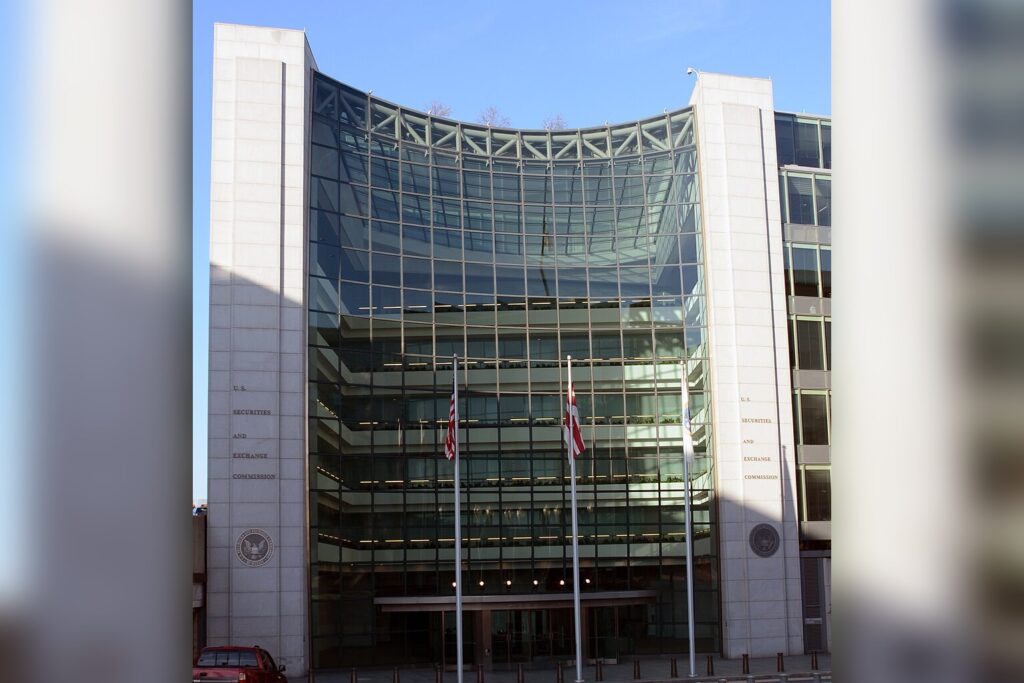
WASHINGTON, July 8 — The Securities and Exchange Commission, the federal agency tasked with policing Wall Street, was born from the wreckage of the 1929 stock market crash. That collapse, which began on October 24 — Black Thursday — and reached its bloody climax on Black Tuesday, October 29, erased billions in wealth and plunged the nation into the Great Depression.
Congress responded with the Securities Act of 1933 and the Securities Exchange Act of 1934. The latter legislation created the SEC, formally established on June 6, 1934. President Franklin D. Roosevelt appointed Joseph P. Kennedy as the agency’s first chairman.
The SEC’s mandate is straightforward: protect investors, maintain fair and orderly markets, and facilitate capital formation. These three pillars have guided the agency’s work for nearly a century.
What this signals, strategically, is that the SEC was designed as a direct check on the excesses that triggered the 1929 crash. The calculus in 1934 was that unregulated markets had failed, and a federal referee was necessary to restore public confidence.
The agency does not operate alone. It oversees the Financial Industry Regulatory Authority, or FINRA, a self-regulatory organization created in 2007 through the consolidation of the National Association of Securities Dealers and NYSE Regulation. FINRA handles day-to-day oversight of broker-dealers, while the SEC retains broader enforcement authority.
The broader stakes of the SEC’s founding remain relevant today. The agency’s power to investigate fraud, sanction wrongdoers, and write rules for the nation’s securities markets gives it an outsized role in the global financial system. Every major corporate offering, merger, or trading practice falls under its purview.
The appointment of Kennedy — a financier with a reputation for sharp dealing — was itself a strategic choice. Roosevelt calculated that placing a Wall Street insider at the helm would send a message: the SEC would be tough but practical, not a vehicle for political vendettas.
That calculation has defined the agency’s institutional culture ever since. The SEC is neither a pure regulator nor a cheerleader for markets. It sits in the middle, enforcing rules while trying not to stifle the capital formation that drives economic growth.
For investors and market participants watching the current regulatory landscape, the SEC’s origins offer a clear lesson. The agency was built for crisis, and its powers were designed to be flexible enough to meet new threats — whether from complex derivatives, high-frequency trading, or digital assets.
The 1929 crash taught Washington that markets cannot police themselves. The SEC is the permanent result of that lesson.
{“@context”: “https://schema.org”, “@type”: “NewsArticle”, “headline”: “SEC’s Birth from 1929 Crash: Regulation’s Impact on US Markets”, “description”: “WASHINGTON, July 8 — The Securities and Exchange Commission, the federal agency tasked with policing Wall Street, was born from the wreckage of the 1929…”, “datePublished”: “2026-07-08T09:30:00+00:00”, “author”: {“@type”: “Person”, “name”: “Noah King”}, “publisher”: {“@type”: “Organization”, “name”: “InfoPulse Today”, “url”: “https://newsfeed.2bme.xyz/”}}




