
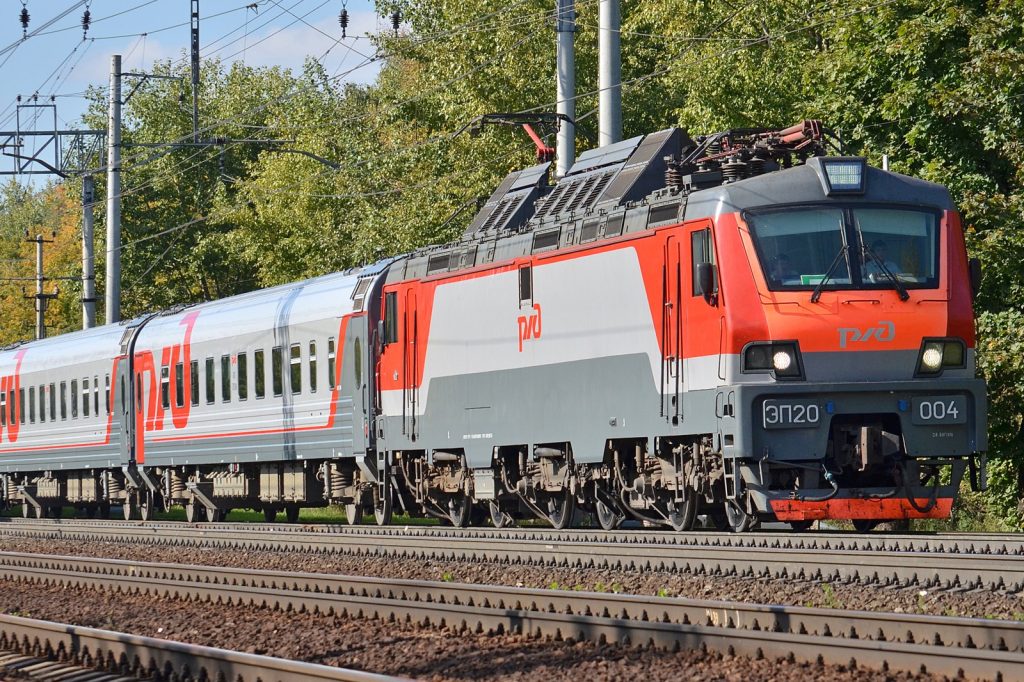
A derailment in Ulyanovsk adds to a long rail safety record
On April 3 2026 a passenger train left the tracks in Russia’s Ulyanovsk Oblast, producing at least 35 injuries that could increase as medical assessments continue. The event did not appear out of thin air; it is the latest entry in a century‑long list of rail failures that have punctuated the country’s network.
What investigators are doing on the ground
Investigators have arrived at the scene and are carrying out the standard procedures: photographing the twisted wreckage, measuring how far each car travelled after leaving the rails, downloading data from the train’s event recorder – the Russian equivalent of a black box – and interviewing the crew, the station masters at the last stops and any witnesses who observed something unusual before the cars left the track.
Possible causes under review
The initial report lists the usual suspects that appear in any derailment inquiry: a collision with an object on the line, operator error, or a mechanical fault in the track or wheels. These factors form a generic checklist, but they do not yet explain why this particular train, on this specific stretch of western Russian rail, jumped the rails. The answer will need to be specific – perhaps a broken bolt, a misread signal, a momentary lapse by the driver, or another factor entirely.
Why derailments happen: the physics of steel on steel
Derailments are fundamentally a physics problem. Steel wheels on steel rails provide very little friction, so a moving train possesses enormous kinetic energy. When something goes wrong – a cracked rail, a shifted load, a switch left in the wrong position – that energy is not dissipated gently.
It throws carriages sideways, crumples passenger compartments and turns a routine journey into a wreck scene. The Ulyanovsk incident illustrates this principle in action, and the 35 injured represent the human cost of the forces involved.
The condition of Russia’s rail infrastructure
Russia’s rail network is immense, yet much of it dates from the Soviet era. Decades of budget cuts and bureaucratic inertia have left large portions of the infrastructure aging.
The line in Ulyanovsk Oblast is not a high‑speed corridor, but it carries both passengers and freight through a region that depends on rail connectivity. When a train derails there, the effects ripple beyond the immediate emergency: supply chains are disrupted, passenger services are delayed, and the state railway company must divert resources to cleanup and investigation.
Details of the investigative process
The investigation will be meticulous. Teams will photograph every angle of the wreck, measure the displacement of the cars, analyse the event recorder for speed, brake application and driver actions in the final minutes, and interview the train crew, the station masters at the last stops and any witnesses who saw something out of the ordinary beforehand.
This work takes time and does not instantly restore the injured to full health.
Considering a deliberate act
The report also notes that a derailment can sometimes be used as a last resort to avert a more serious accident, such as a runaway train or an unavoidable track obstruction. If that were the case here, the crew might have acted to save lives, meaning the 35 injuries could be lower than what might have occurred without such intervention. This remains speculative; the inquiry will determine whether the cause was equipment failure, human error, or an intentional emergency maneuver.
What comes next
The injured will receive medical treatment, the wreckage will be cleared, the line will eventually reopen, and a formal investigation report will be filed with recommendations. Some of those recommendations will be acted on; others may sit unused. Eventually another derailment will occur somewhere in Russia – not because anyone wishes it, but because the physics of rail travel do not change and the margin between a safe trip and a disaster is often measured in millimetres and seconds.




