
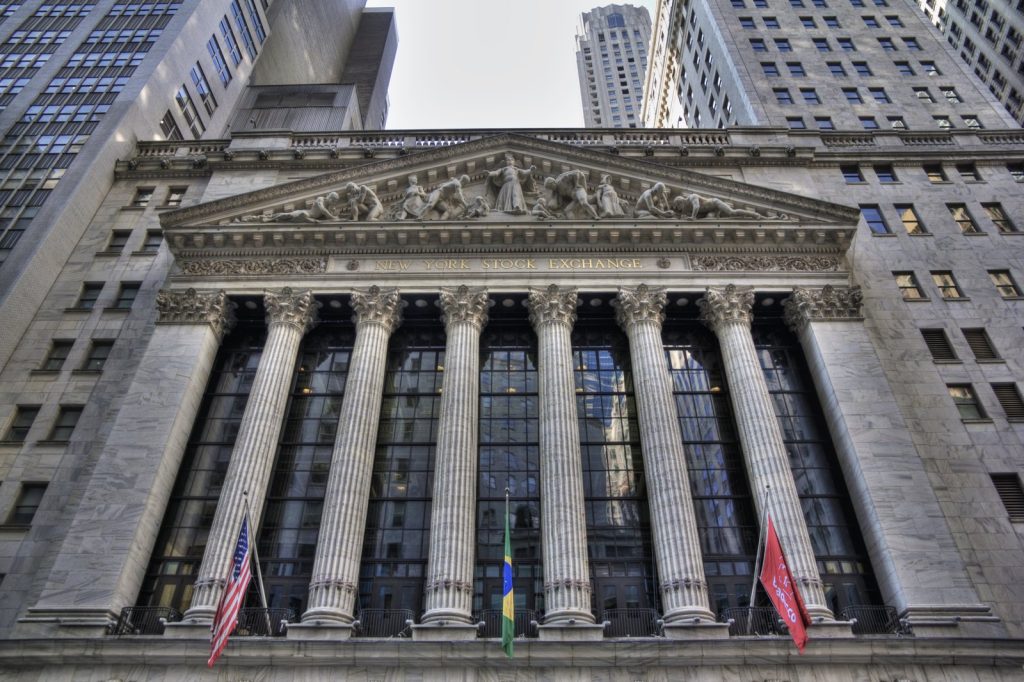
NEW YORK, July 9 — The Dow Jones Industrial Average fell 1.1% on March 19, 2025, closing at 42,500.32. That made it the largest single-day percentage drop since February 19, 2025, when the Dow fell 1.3% due to inflation data. The drop was accompanied by a 2.8% rise in oil prices to $85.40 per barrel, and a 1.9% rise in the CBOE Volatility Index (VIX) to 22.4, indicating increased market anxiety.
To understand the scale of this move, it helps to look back at how the Dow has reacted to geopolitical shocks over the decades. On January 3, 2020, after the Soleimani assassination, the Dow fell 0.4%.
The September 11, 2001, attacks produced a far more severe reaction: on September 17, 2001, the first trading day after the attacks, the Dow fell 7.1%. The 1990-1991 Gulf War saw the Dow fall 4.3% on August 2, 1990, the day Iraq invaded Kuwait. The 1979 Iran hostage crisis saw the Dow fall 2.5% on November 5, 1979.
The Dow’s worst single-day drop during a geopolitical crisis was on October 19, 1987 (Black Monday), when it fell 22.6%, though that was not directly tied to a foreign conflict. The March 19, 2025, decline, while modest by historical standards, stands out because it came at a time when markets had been relatively calm.
The 1.1% drop, paired with the rise in oil and volatility, suggests that investors are pricing in a new layer of risk — one that may not yet be fully understood. For families, what this means is that the cost of everyday goods could rise if oil stays elevated, and that retirement portfolios may see more turbulence in the weeks ahead.
The human side of this story is that market moves like these affect real people: a small business owner watching shipping costs climb, a retiree checking their 401(k) balance, a young family budgeting for higher gasoline prices. Behind the breakthrough in understanding these market dynamics is the work of analysts who track the VIX and oil prices as leading indicators. When both rise together, it often signals that investors are bracing for a prolonged period of uncertainty, not just a one-day scare.
The key question now is whether the March 19 drop was a one-off event or the beginning of a broader trend. If oil prices continue to climb and the VIX stays elevated above 20, that would suggest the market is still digesting the same geopolitical risks that triggered the selloff.
If the VIX retreats and oil stabilizes, the Dow could resume its upward path. For now, the data points are clear: a 1.1% decline, oil at $85.40, and the VIX at 22.4. Those numbers tell a story of caution, not panic — but in a market that had been relatively serene, even caution can feel like a storm.
{“@context”: “https://schema.org”, “@type”: “NewsArticle”, “headline”: “Dow’s 1.1% Drop on March 19, 2025, Compared to Past Crises”, “description”: “NEW YORK, July 9 — The Dow Jones Industrial Average fell 1.1% on March 19, 2025, closing at 42,500.32. That made it the largest single-day…”, “datePublished”: “2026-07-09T09:30:00+00:00”, “author”: {“@type”: “Person”, “name”: “James Roberto”}, “publisher”: {“@type”: “Organization”, “name”: “InfoPulse Today”, “url”: “https://newsfeed.infopulsetoday.com/”}}




