
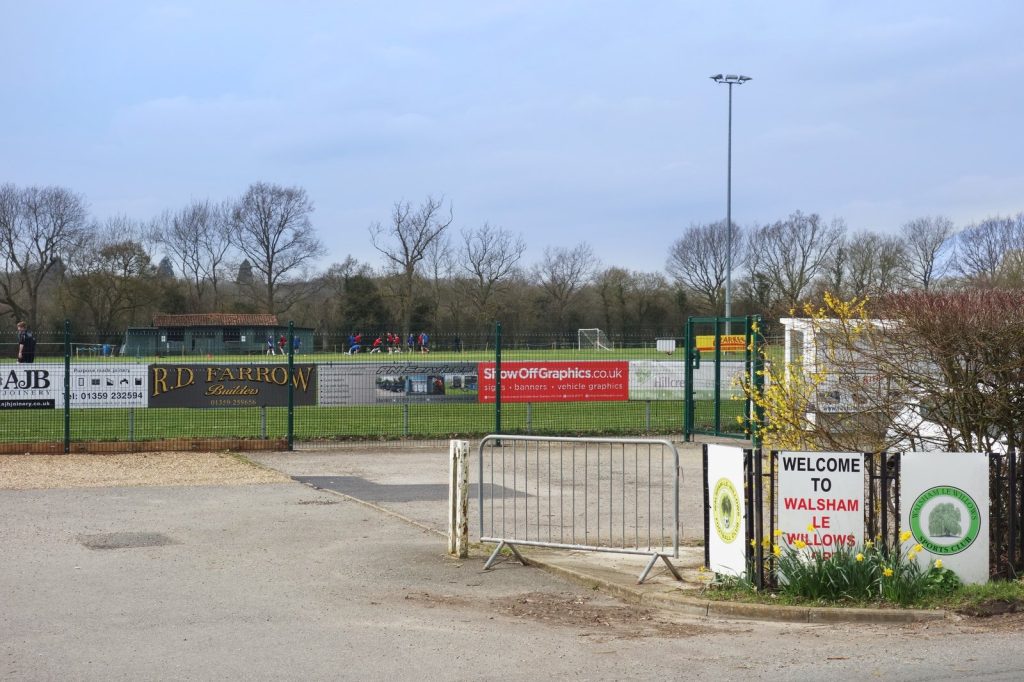
Ian Campbell MBE has been treasurer of Walsham le Willows Sports Club for years. He knows how to run a balance sheet. But when Lloyds Bank froze the club’s accounts last autumn, none of that experience mattered.
Direct debits started bouncing. A VAT refund the club was counting on never arrived.
Grants meant to keep the cricket and football pitches going simply didn’t come through. The club is 134 years old. It had banked with Lloyds for more than 70.
Then the bank demanded certified identification from key members. Campbell provided it.
Then Lloyds asked for more. Then more. Eight months of that, he told the Mail.
He called it “hell.” What broke him was not the requests themselves. Campbell said he accepts a bank’s right to ask for information. What broke him was the silence.
He sent questions. No answers came.
He wrote two letters to the bank’s chairman. Both were ignored. He walked into a branch looking for help.
They turned him away. “The big frustration was the sudden lack of communication,” Campbell said.
“I didn’t get answers back. Why – what had I done wrong?” The club is a volunteer-run charity. It has no paid staff.
So when the accounts were closed, there was nobody at the bank to explain why. The club’s treasurer spent months wondering whether he was incompetent or simply shouting into a void. Lloyds eventually opened a new account.
It deposited £300 in compensation after Campbell filed a formal complaint. He refused to take it.
That amount, he said, did not cover the damage. The bounced payments. The lost grants.
The eight months of uncertainty. He took the case to the Financial Services Ombudsman instead.
That body is now investigating. This matters beyond one sports club in Suffolk. Britain’s new rules on debanking are untested.
The government has said banks cannot close accounts arbitrarily. But the rules rely on banks explaining themselves. That is exactly what Lloyds did not do here.
Campbell does not claim the club is a high-risk case. He does not suggest a conspiracy.
He says simply that a bank stopped talking. And when a bank stops talking, a small charity has no leverage. It cannot hire lawyers.
It cannot threaten to leave — there is nowhere else to go fast enough. It just waits.
The Ombudsman’s decision will set a precedent. If it rules against Lloyds, other clubs and charities with similar stories may come forward. If it does not, the message to banks is clear: silence is a permissible strategy.
Walsham le Willows Sports Club hosts cricket and football. It has been part of the village since before the First World War. It does not deal in high finance or political controversy.
It just needs an account that works. For eight months, it did not have one.
The Ombudsman will now decide whether that was a mistake or a breach of the rules.




