
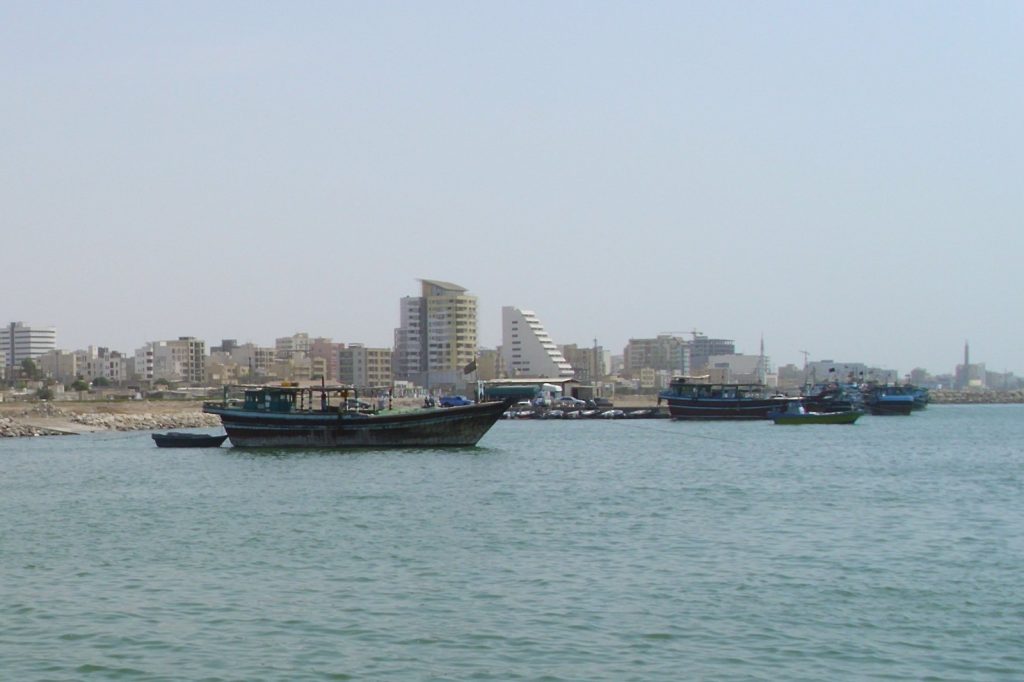
WASHINGTON, July 7 — A new filing reviewed by InfoPulse Today details the human and environmental toll of attacks in the Strait of Hormuz, with seafarers from developing nations bearing the brunt of the risk. The record shows that crew members aboard vessels transiting the strategic waterway are predominantly drawn from countries such as India, the Philippines, and Bangladesh. In the 2019 seizure of the Stena Impero, 23 crew members were detained for over two months.
Iran has also been accused of mistreating detained crews. Local communities in coastal areas of Iran, Oman, and the UAE depend on fishing and shipping for their livelihoods.
The U.S. has called for the release of any detained crews and for safe passage. Environmental risks include oil spills from damaged tankers, which could harm marine life in the sensitive ecosystem of the Persian Gulf. On the timeline, the 2019 Stena Impero incident remains a reference point for the dangers faced by merchant crews in the region.
The U.S. administration has pressed for the protection of merchant crews and for the de-escalation of hostilities in the region. Sources familiar with the situation note that the safety of seafarers remains a central concern for international maritime authorities.
The coming weeks will show whether diplomatic efforts can secure safer passage for the crews who keep global oil shipments moving through the Strait of Hormuz. The Strait of Hormuz, a narrow waterway connecting the Persian Gulf to the Gulf of Oman, is one of the world’s most critical chokepoints for global oil transit. Approximately one-fifth of the world’s seaborne oil passes through the strait daily, making it a focal point for geopolitical tensions.
The region’s strategic importance has led to repeated incidents involving commercial vessels, including seizures, attacks, and detentions, which disrupt maritime trade and endanger the lives of crew members. Many shipping companies rely on seafarers from South and Southeast Asia due to lower labor costs, exposing workers from developing nations to heightened risks in conflict-prone zones. Beyond the immediate threats to seafarers, regional communities face long-term economic and environmental consequences.
Coastal populations in Iran, Oman, and the UAE depend heavily on fishing and maritime industries for their livelihoods, which can be severely disrupted by instability or environmental damage. Oil spills from damaged tankers, for instance, threaten marine ecosystems and local fisheries, compounding the challenges faced by these communities.
International maritime organizations have repeatedly emphasized the need for safer navigation in the region, citing the Strait of Hormuz as a persistent flashpoint in global shipping lanes.
{“@context”: “https://schema.org”, “@type”: “NewsArticle”, “headline”: “Human Impact: Seafarers and Regional Communities at Risk”, “description”: “WASHINGTON, July 7 — A new filing reviewed by InfoPulse Today details the human and environmental toll of attacks in the Strait of Hormuz, with…”, “datePublished”: “2026-07-07T09:30:00+00:00”, “author”: {“@type”: “Person”, “name”: “Ariel Antonio”}, “publisher”: {“@type”: “Organization”, “name”: “InfoPulse Today”, “url”: “https://newsfeed.infopulsetoday.com/”}}




