
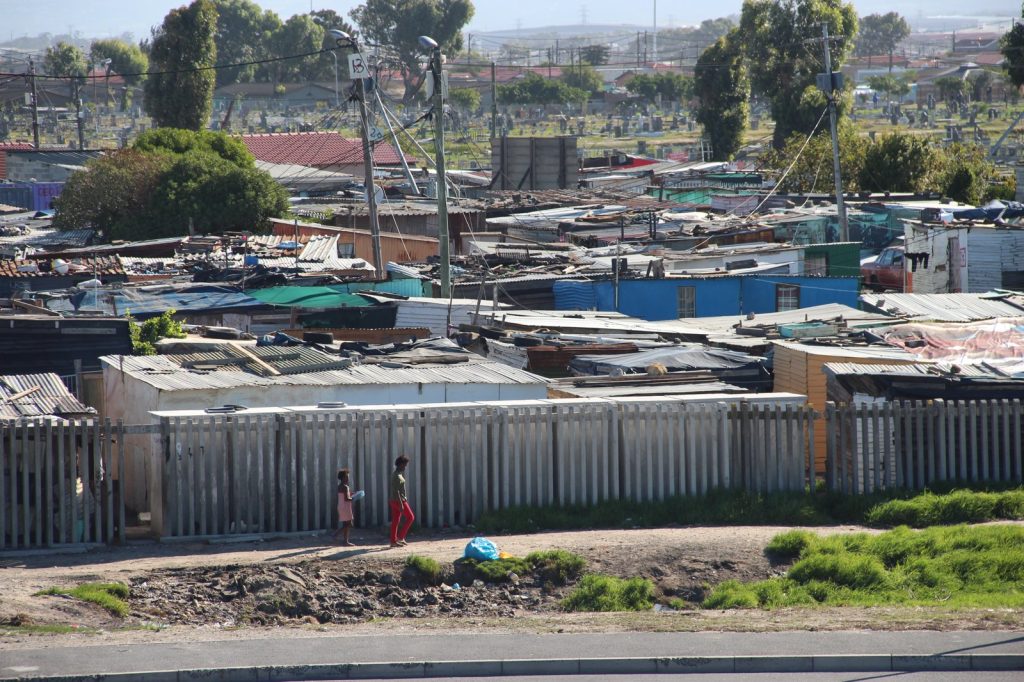
One in three South Africans who want work cannot find it, and the number is moving the wrong way. Statistics South Africa’s Quarterly Labour Force Survey, released on August 11, put the official unemployment rate at 33.6% for the second quarter of 2026, up 0.9 percentage point from 32.7% in the first quarter.
The detail is worse than the headline. Unemployed people rose by 345,000 to 8.5 million, while the number of employed people fell by 16,000 to 16.7 million. Young people carry the heaviest load: the youth unemployment rate (ages 15 to 34) climbed 1.5 percentage points to 47.4%, with 5.0 million young people out of work against 5.6 million employed. Formal-sector employment dropped by 41,000 in the quarter. The informal sector added 34,000.
A second survey says the same thing
BusinessTech reported on September 29 that Stats SA’s Quarterly Employment Survey, which counts jobs at private non-agricultural businesses, found 95,000 fewer jobs in June 2026 than a year earlier, a fall of 0.9%. Total employment slipped by 14,000 from March, from 10.439 million to 10.425 million. Manufacturing lost 20,000 jobs, business services 13,000, trade 8,000 and transport 5,000. Community services was the main bright spot, adding 29,000.
The two surveys measure different things, as BusinessTech explained. One samples workers across the whole economy, including farms and the informal sector, while the other draws on company payrolls. Read together, they point to an economy that cannot create enough jobs. Second-quarter GDP shrank by 0.2%.
Where the anger goes
This is the backdrop to the anti-migrant unrest that has shaken the country this year. CNN reported that campaigners, including the group March and March, set June 30 as a deadline for undocumented migrants to leave, blaming foreigners for unemployment, crime and strained public services. Demonstrations that day in Johannesburg and Durban were mostly peaceful, though there were reports of clashes, looting and violence.
Between June 14 and August 20, South African government figures show more than 86,000 foreign nationals were processed for repatriation and deportation, Malawians being the largest group. Nigerian officials said nearly 1,700 of their citizens had left voluntarily. Two Nigerians were killed as the deadline neared, and two more died in early September.
Fola Aina, a security analyst at SOAS University of London, told CNN that “high unemployment, pressure on public services and anxieties about crime create a political environment in which migrants can become convenient scapegoats.” Nigeria’s parliament has since suspended official visits and legislative engagements with South Africa, and protesters have said they will restart their campaign on September 30.
President Cyril Ramaphosa said in August that his government “firmly and publicly rejected xenophobia, Afrophobia, vigilantism, and all forms of discrimination against migrants.”
Sources
- 33,600 more get jobs, but SA’s unemployment crisis deepens
- 95,000 more jobs lost in South Africa – BusinessTech
- Nigeria and South Africa tried to ease tensions after violent anti-migrant protests. But the rift is back – CNN
- SA official unemployment rate rises to 33.6% – SAnews




