
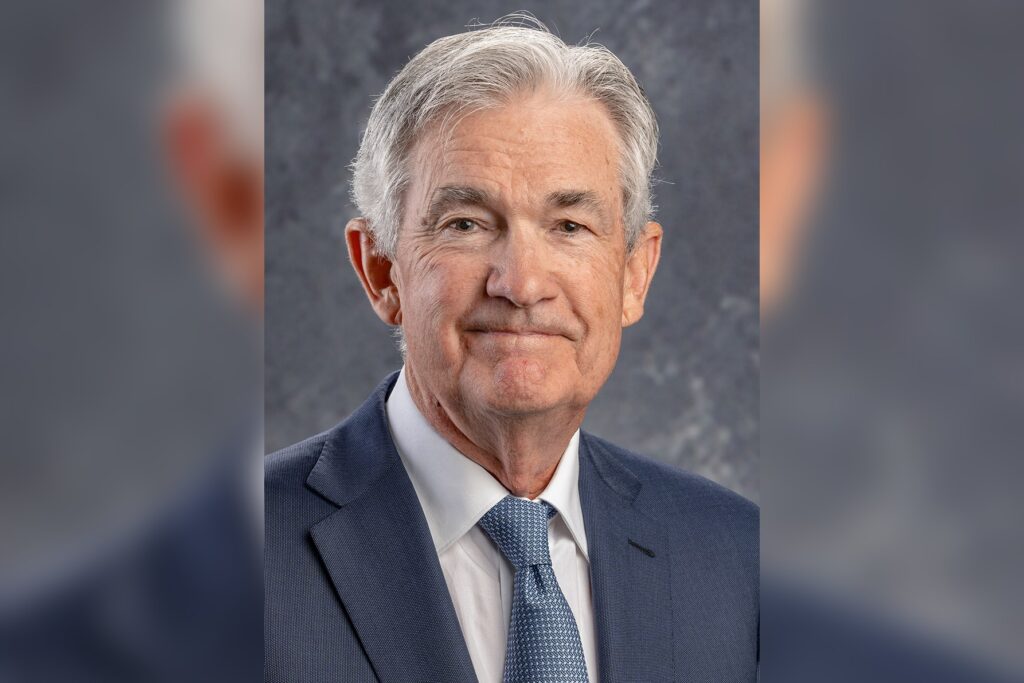
WASHINGTON, July 9 — The Federal Reserve’s dual mandate—maximum employment and stable prices, with a 2% inflation target—places the central bank at the center of any geopolitical storm. Strategically, the calculus for Fed Chair Jerome Powell and his fellow policymakers shifts when international tensions threaten to spill into U.S. financial markets. The Fed’s toolkit, from the federal funds rate to emergency lending authority, becomes a critical lever in containing contagion.
The broader stakes are clear. The Fed, established on December 23, 1913, has long served as the backstop for the U.S. financial system.
During the 2020 COVID-19 pandemic, the Fed cut rates to near zero and launched quantitative easing, purchasing $120 billion per month in Treasury and mortgage-backed securities. That response was massive and swift. What this signals now is that the Fed is prepared to act again if market dysfunction threatens the economy.
The Treasury Department, led by Secretary Janet Yellen as of the current year, operates on a parallel track. The Treasury’s Office of Foreign Assets Control enforces sanctions, a tool used with increasing frequency in recent years.
During the 2019 U.S.-Iran tensions, Treasury imposed sanctions on Iranian oil exports, reducing them from 2.5 million barrels per day in 2018 to under 500,000 barrels per day by late 2019. That was a sharp, targeted pressure campaign. The Fed’s primary tool for market stability is the discount window, which provides short-term loans to banks.
This is a direct, operational mechanism. The Fed also holds emergency lending authority under Section 13(3) of the Federal Reserve Act, a power used during the 2008 financial crisis and again in 2020. These are not theoretical instruments; they have been deployed in real crises with real consequences.
Powell, appointed on February 5, 2018, and reappointed on May 23, 2022, has consistently stated the Fed is data-dependent. The message is deliberate: the central bank will not pre-commit to a specific course of action.
It will react to conditions on the ground. The current federal funds rate, as of the most recent data, sits at a level that reflects the Fed’s ongoing effort to balance inflation control with economic growth. The Treasury can also issue guidance to calm markets, as seen in 2022 during the Ukraine crisis.
That is a softer tool, but one with real impact when markets are jittery. The combination of Fed rate policy, open market operations, and Treasury sanctions creates a layered defense against financial instability.
What this signals to global markets is that the United States has multiple levers to pull. The Fed can inject liquidity. The Treasury can impose financial penalties on adversaries.
The Office of Foreign Assets Control can enforce those penalties with precision. The broader stakes involve not just U.S. economic health but the stability of the international financial system. Looking ahead, the key question is whether current tensions will escalate to a point where the Fed must activate its emergency powers again.
The calculus for Powell and Yellen will depend on how events unfold. The Fed’s data-dependent posture means it will watch for signs of market dysfunction before acting.
The Treasury’s sanctions regime remains a tool for applying pressure without direct military engagement. The strategic framework is clear: the Federal Reserve and Treasury operate as complementary forces in managing geopolitical risk. One sets monetary policy; the other wields financial statecraft.
Together, they form the backbone of U.S. economic resilience in an uncertain world.
{“@context”: “https://schema.org”, “@type”: “NewsArticle”, “headline”: “Fed, Treasury Tackle Market Volatility from Geopolitical Shocks”, “description”: “WASHINGTON, July 9 — The Federal Reserve’s dual mandate—maximum employment and stable prices, with a 2% inflation target—places the central bank at the center of…”, “datePublished”: “2026-07-09T09:30:00+00:00”, “author”: {“@type”: “Person”, “name”: “Noah King”}, “publisher”: {“@type”: “Organization”, “name”: “InfoPulse Today”, “url”: “https://newsfeed.2bme.xyz/”}}




