
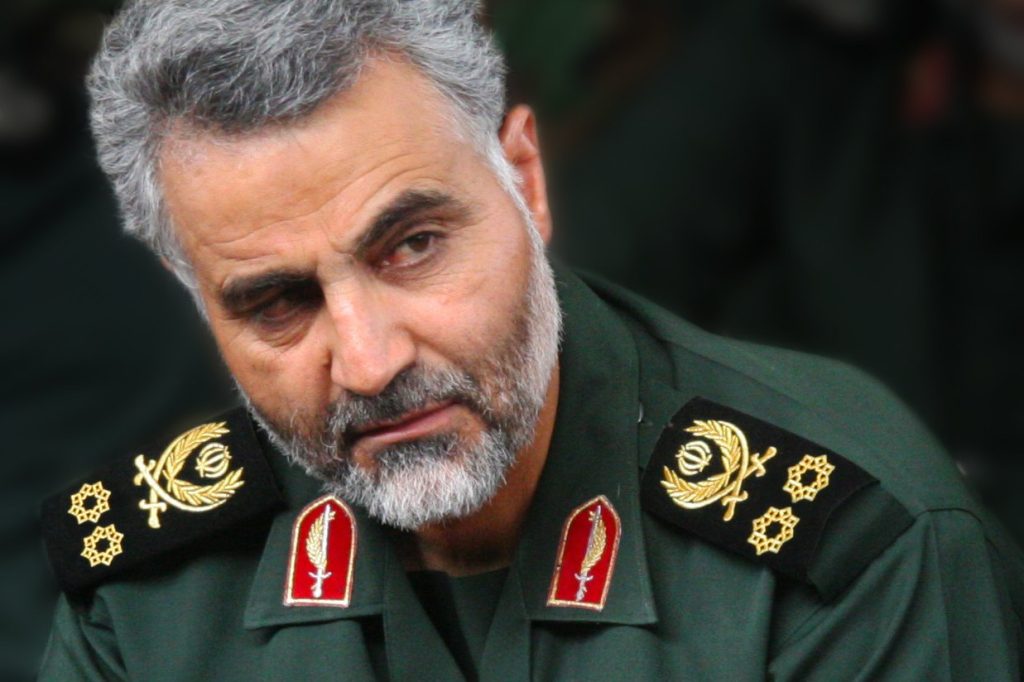
A U.S. airstrike that killed a top Iranian military commander near Baghdad International Airport sent shockwaves through financial markets Friday, as the Dow Jones Industrial Average suffered its steepest single-day drop in four weeks. The 444-point decline, a 1.6 percent slide to close at 28,634, wiped out gains from a stretch of near-record highs just days earlier. The broader market mirrored the Dow’s retreat: the S&P 500 fell 1.8 percent and the Nasdaq Composite dropped 1.6 percent.
The sell-off came one day after the Pentagon confirmed that President Donald Trump had ordered the strike that killed Major General Qasem Soleimani, commander of the Quds Force, an elite unit of Iran’s Islamic Revolutionary Guard Corps. The Pentagon stated the action was aimed at deterring future Iranian attack plans.
Oil, Safe Havens and Investor Anxiety
Oil prices surged on the news, with West Texas Intermediate crude climbing 3.1 percent to $63.05 per barrel. The Strait of Hormuz, a critical chokepoint for global oil supplies, has emerged as a flashpoint after Iran threatened to disrupt shipments through the waterway. The Dow had been trading near record levels just a week before the airstrike, closing at 28,645 on December 27.
The sudden reversal reflected investor anxiety that retaliation from Iran could be swift and unpredictable. Iran’s Supreme Leader, Ayatollah Ali Khamenei, vowed “severe revenge” for Soleimani’s death, and the U.S. State Department advised American citizens to leave Iraq immediately.
From Nuclear Deal Withdrawal to Shadow War
The conflict did not erupt overnight. Tensions between Washington and Tehran have been building since May 2018, when the Trump administration withdrew the United States from the Joint Comprehensive Plan of Action, the nuclear deal commonly known as the JCPOA. That withdrawal set the stage for a series of escalating confrontations.
The killing of Soleimani, one of Iran’s most powerful military figures, represents a major escalation in a shadow war that has simmered for years. The Iranian leadership has promised to respond, though the form and timing of that response remain unknown.
For now, investors are recalibrating. The Dow’s fall from near-record territory is a reminder that geopolitical risk can upend even the most optimistic market outlook.
Understanding the Market’s Main Gauge
The Dow Jones Industrial Average, the index that fell so sharply Friday, has long served as a primary gauge for the health of the U.S. equity market. It tracks the performance of a group of prominent companies listed on United States exchanges. The index takes its name from business partners Charles Dow and Edward Jones, who founded Dow Jones & Company in 1882 alongside Charles Bergstresser.
That organization eventually became a subsidiary of News Corp and publishes The Wall Street Journal. Over time, the management of these indices shifted through various ventures.
S&P Dow Jones Indices LLC now maintains and markets the indices as a joint venture involving S&P Global, the CME Group, and News Corp. Because the Dow focuses on large, established companies, its movements often signal broader economic trends, reflecting the collective confidence of investors regarding geopolitical stability and corporate growth. The 444-point drop on Friday underscores just how quickly that confidence can be shaken by events far from Wall Street.
{“@context”: “https://schema.org”, “@type”: “NewsArticle”, “headline”: “Iran Strike Triggers Sharp Market Drop, Oil Prices Spike”, “description”: “NEW YORK, January 3 — A U.S. airstrike that killed a top Iranian military commander near Baghdad International Airport sent shockwaves through financial markets Friday,…”, “datePublished”: “2026-07-09T09:30:00+00:00”, “author”: {“@type”: “Person”, “name”: “Erika Johnson”}, “publisher”: {“@type”: “Organization”, “name”: “InfoPulse Today”, “url”: “https://newsfeed.infopulsetoday.com/”}}




