
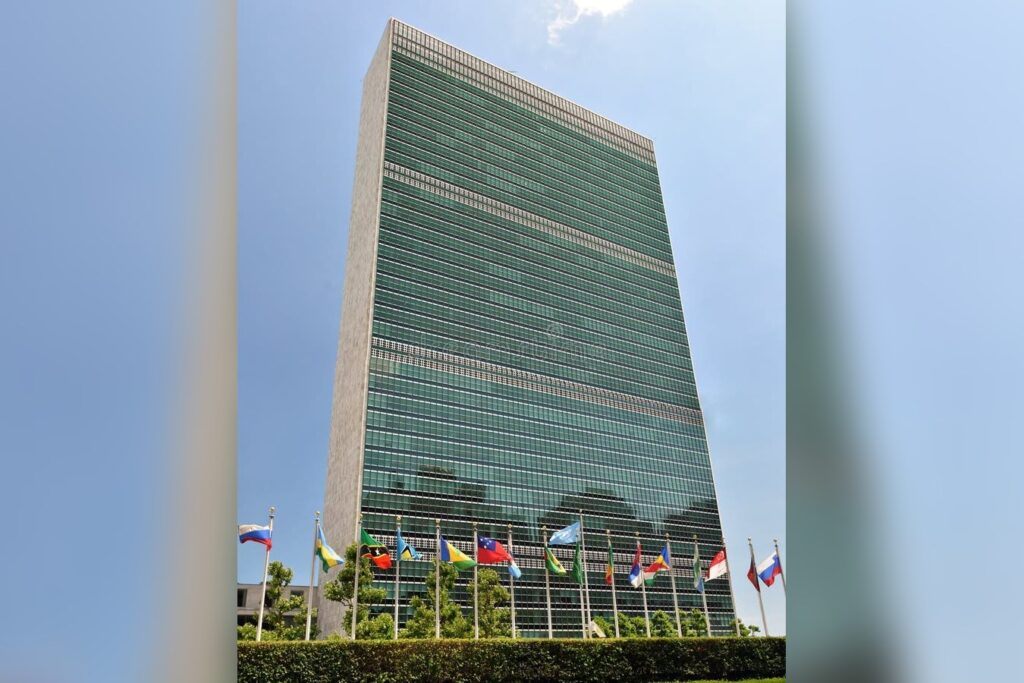
GENEVA, July 19 — The International Labour Organization reports that in 2018, some 172 million people — five percent of the global workforce as then measured — were without work. That figure, drawn from the United Nations agency’s statistical machinery, captures only those officially classified as unemployed: people not in paid employment or self-employment but currently available for work during a reference period. Under the hood, however, the unemployment rate itself is a trickier number than it looks.
Measuring who is and is not actually jobless varies sharply by country. The United States relies on household surveys, asking people directly about their job-seeking activity.
Several European states, by contrast, count only registered unemployed citizens — a method that can miss those who have given up looking or who simply never registered. The technical reality is that the employment-to-population ratio, particularly if based on registered taxpayers rather than survey responses, may offer a more honest appraisal of who is actually working. The ILO’s own data acknowledges the existence of hidden unemployment: people who want work but have stopped searching, or who are working fewer hours than they would like.
The many flavours of joblessness
Economists distinguish structural unemployment — a mismatch between workers’ skills and available jobs, often driven by disruptive technologies or globalisation — from frictional unemployment, which is voluntary and tied to the time an individual spends searching for a better wage offer. There is cyclical unemployment, the Keynesian variety linked to economic downturns, and classical unemployment, which owes its existence to wage rigidities that prevent the labour market from clearing.
The detail that matters is that these categories overlap in practice: a recession can accelerate structural shifts, and government policy, regulation, or even war and civil disorder can tip one form into another. The causes, too, are multiple.
Recessions, new technologies, changes in government policy, and poor work–life balance all feed into the unemployment total. The ILO notes that work permits for foreign workers can crowd out citizens from employment — a point of obvious political sensitivity, though the agency’s language remains measured. Voluntary unemployment covers those who reject low-wage jobs as insufficient; involuntary unemployment is the product of economic crises, industrial decline, company bankruptcy, or restructuring.
The distinction matters for policy: a classical economist’s prescription for wage flexibility does nothing for a factory shut down by a collapsed market.
Numbers and their limits
The 172 million figure is a snapshot, not a forecast. It represents five percent of the global workforce at that point, but the technical reality of measurement means the true number of people without adequate work is almost certainly higher. Hidden unemployment — discouraged workers, underemployed part-timers — sits outside the official count.
The ILO’s own definition is clear enough, but applying it consistently across 200-odd countries with different administrative capacities and data-collection cultures is a logistical challenge the agency acknowledges implicitly by describing the varying methods used. The US household survey, for instance, captures the precariously employed in a way that a European register of job-seekers does not.
As of mid-2026, the global labour market continues to absorb the aftershocks of the pandemic-era disruptions and the uneven adoption of automation. The ILO’s 2018 baseline remains the most recent comprehensive global figure available in its published literature, but the structural forces it identified — technology, globalisation, policy drift — have not disappeared. The unemployment rate, for all its methodological warts, remains the headline number.
What it hides may be the more interesting story.
Sources
{“@context”: “https://schema.org”, “@type”: “NewsArticle”, “headline”: “Global unemployment hits 172 million in 2018, ILO reports discrepancies”, “description”: “GENEVA, July 19 — The International Labour Organization reports that in 2018, some 172 million people — five percent of the global workforce as then…”, “datePublished”: “2026-07-19T09:30:00+00:00”, “author”: {“@type”: “Person”, “name”: “Sebastian Smith”}, “publisher”: {“@type”: “Organization”, “name”: “InfoPulse Today”, “url”: “https://newsfeed.2bme.xyz/”}, “citation”: [{“@type”: “CreativeWork”, “url”: “https://en.wikipedia.org/wiki/International_Labour_Organization”}]}




