
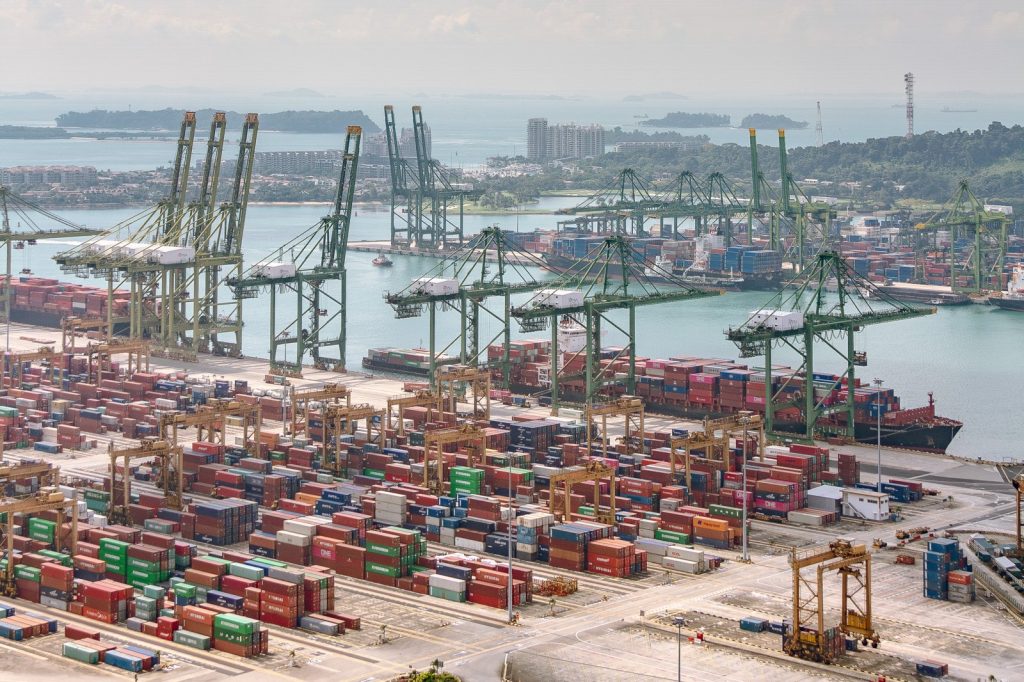
Enterprise Singapore announced on 17 May that seasonally adjusted non‑oil domestic exports slipped 8.8 percent from March to S$15.4 billion, marking the steepest month‑on‑month decline since the previous November. The annual picture still shows growth, with a 6 percent year‑on‑year increase in April, but that pace is only half the 11.9 percent recorded in March. The deterioration is most evident in the city‑state’s traditional export destinations.
Shipments to the United States fell 42.3 percent, following a 19.8 percent drop in March. Exports to the European Union contracted 30.2 percent, dragged lower by reduced deliveries of pharmaceuticals and medical devices.
Japan’s intake declined 33.2 percent as medicines, specialised machinery and optical goods weakened. Together, these three markets represented about one‑quarter of Singapore’s non‑oil domestic exports in 2019; in April their combined share fell below 15 percent. Other categories also showed weakness.
Non‑monetary gold shipments collapsed 99.8 percent, while food preparations and disk media recorded declines. The broad trend reflects a shift in advanced economies where vaccination campaigns and easing lockdowns are moving consumer spending from goods back to services.
As American and European households allocate more of their budgets to holidays, restaurants and leisure, demand for electronics, machinery and related inputs slows. Nevertheless, several segments remain buoyant. Specialised machinery jumped 54.3 percent, supported by ongoing global demand for semiconductors and the lingering chip shortage that continues to drive tooling and testing equipment purchases. Petrochemicals rebounded 63.3 percent after a prolonged down‑cycle, and primary chemicals more than doubled compared with the depressed levels of April 2020.
Electronic products posted a 10.9 percent gain, buoyed by laptops, diodes and integrated circuits, although that increase was half the rate seen in March. Non‑electronic non‑oil domestic exports also rose 10.9 percent, providing some cushion to the headline figure.
The 8.8 percent month‑on‑month drop underscores that the restocking boost which had underpinned trade early in the year may have peaked. Analysts now question whether the momentum in chemicals and chips can be sustained as the broader trade environment cools. For Singapore’s trade‑reliant economy, a prolonged slowdown in its largest buyers — the United States, the European Union and Japan — poses a concrete risk, since these nations purchase the high‑value goods that underpin productivity and wages.
If their demand continues to migrate away from manufactured goods, the composition of Singapore’s exports will need to evolve, a process that takes time — something a weakening monthly trend does not afford. While the April data does not signal an outright crisis, it marks a turning point.
The restocking surge that had obscured underlying vulnerabilities is fading, and what will replace it remains uncertain.




