
District Urges Diversification Ahead of El Niño
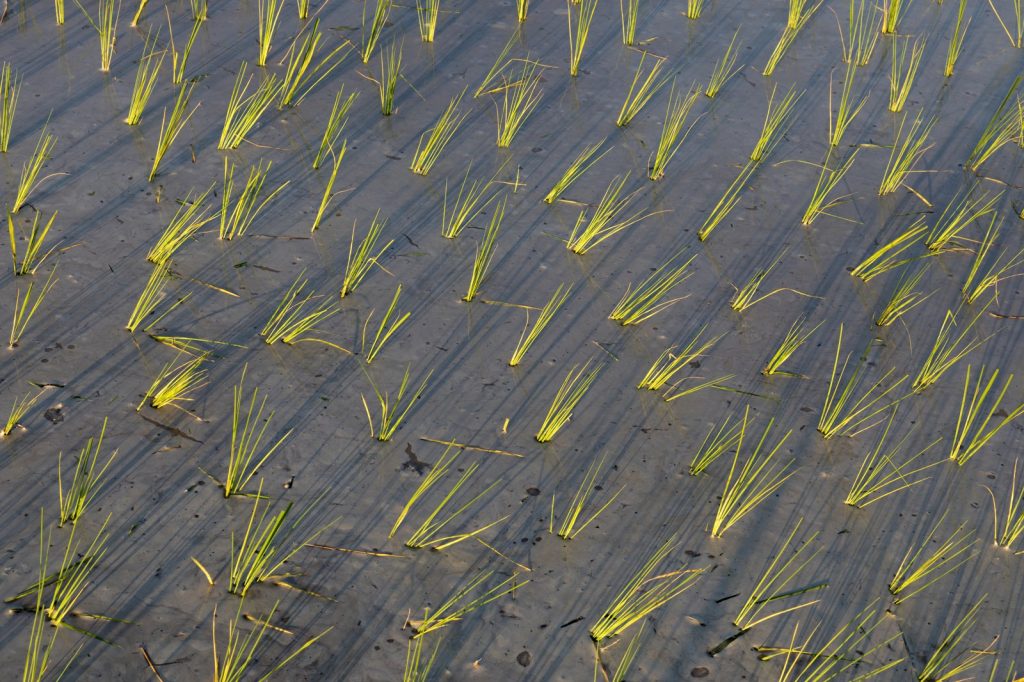
District collector Harendhira Prasada said officials are working directly with farmers to prepare for the adverse conditions. The government is keen on protecting and promoting agriculture, horticulture, aquaculture and other primary sectors, Prasada said. The core message is a shift away from exclusive reliance on paddy, especially in upland areas. Farmers are being urged to cultivate pulses and horticultural crops instead of depending entirely on the staple crop. The collector advised farmers to raise vegetables or other short-duration crops on field bunds alongside paddy cultivation as a way to diversify their income. This approach creates a financial buffer: if the main paddy crop struggles due to weak rainfall, secondary crops could still provide income. To support that strategy, the district has made 22 varieties of short-duration pulses available for cultivation this season. These options allow farmers to earn additional income within a shorter period rather than waiting out a long paddy cycle that might be threatened by below-normal rainfall.
Water Levels and Managing Scarce Resources
Water availability is a central concern. Prasada noted that water levels in the Yeleru reservoir are currently low, though they are expected to improve by August. Until then, he advised farmers to opt for short-duration pulse crops based on the water resources they have on hand. On the input side, the government is monitoring fertilizer supply to discourage excessive usage. The collector said farmers should follow the guidance of agriculture officials on the judicious use of fertilizers and pesticides to improve productivity. The district is also promoting natural farming and pre-monsoon dry sowing practices. These techniques help crops establish themselves before the main rains arrive—a strategy that could prove valuable if the monsoon is weaker than normal. Prasada urged farmers to seek technical guidance from Rythu Seva Kendrams, government-run agricultural service centers, and to adopt recommended practices to protect crops and improve yields. The water level in the Yeleru reservoir over the coming weeks will be a critical indicator. If August brings the expected improvement, farmers who followed the short-duration pulse advice may find themselves in a stronger position. If not, the push for diversification and natural farming could become even more urgent.
Kakinada’s Agricultural Legacy and the Climate Challenge
Kakinada has long been tied to agriculture and trade along India’s eastern coast. The city’s port, established in the mid-19th century, became a key outlet for regional crops after the nearby Coringa port declined. By the late 1800s, Kakinada ranked among India’s largest ports and the most important in the Andhra region, shaping its role as a hub for commerce and later industry. The Godavari delta’s fertile soils have supported farming for generations, with paddy as a staple crop. Over time, the region’s economy expanded to include industries such as fertilizer production and food processing, but agriculture remains central to livelihoods. The district’s connection to water—both the Bay of Bengal and inland reservoirs like Yeleru—has shaped farming practices and settlement patterns for decades. At its core, Kakinada is a coastal city and district in Andhra Pradesh whose economy and culture have long depended on agriculture, trade, and natural resources. Its port history and fertile delta lands have made it a focal point for farming communities, especially those relying on paddy and allied sectors. The current push to diversify crops reflects a broader challenge faced by farmers in delta regions: balancing traditional staples with climate uncertainty. For Kakinada’s agricultural sector, the shift toward pulses and horticultural crops is not new but has gained urgency as seasonal forecasts raise concerns about rainfall reliability. Today, the stakes are higher than ever. El Niño events have disrupted monsoon patterns in the past, forcing farmers to adapt quickly. The district’s reliance on reservoirs like Yeleru for irrigation adds pressure when water levels drop, as they have in recent weeks. For households that depend on farming, even small changes in rainfall or reservoir storage can affect income and food security. The government’s focus on short-duration crops and natural farming methods aims to reduce risk during lean periods. For readers in Kakinada and beyond, these measures highlight how climate variability is reshaping local agriculture—and why preparedness now matters for the months ahead.




