
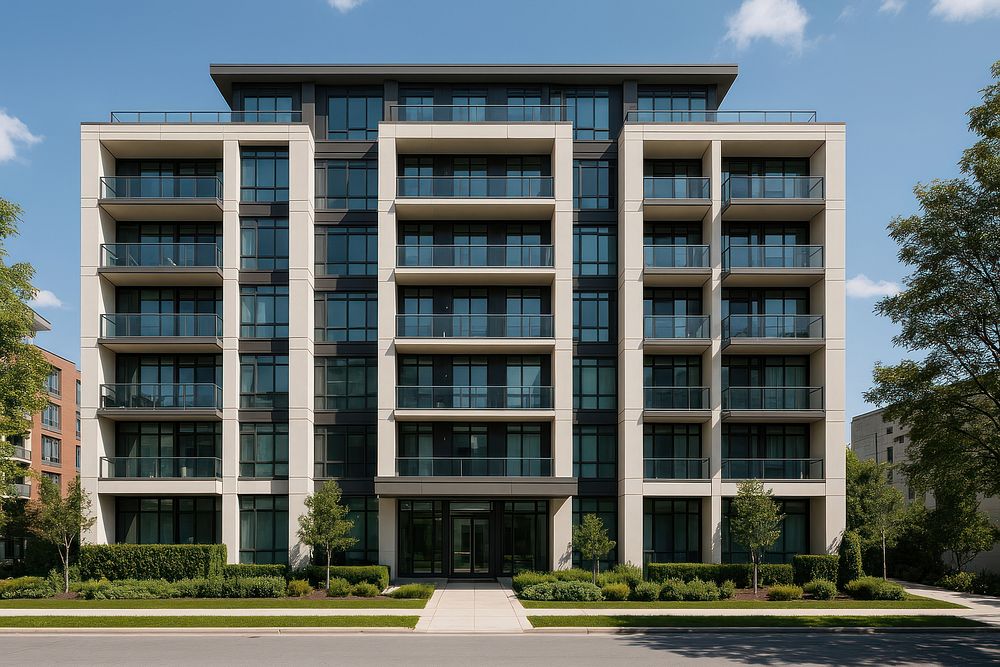
ROME, July 18 — Multifamily residential, the catch‑all term for apartment buildings, condominiums, cohousing projects, and every other structure that crams multiple separate housing units into one building or a single complex, is a category of housing that the numbers keep vindicating — even as the politics keeps trying to bury it. Follow the money. Housing units in multifamily buildings have greater per capita value than single‑family homes.
The mechanics here are straightforward: denser development spreads the property‑tax burden across more paying households, which actually reduces property tax rates for the entire community. The catch is that this beneficial fiscal externality is rarely mentioned in local zoning debates, where the dominant narrative is that multifamily housing strains services.
The Fire‑Hazard Claim
Contrary to a persistent line from Not In My Back Yard advocates, multifamily housing is a lower fire hazard. The evidence, as it stands, undercuts the safety objection that often surfaces during permit hearings and zoning fights. That does not stop the political controversy.
In the United States, zoning laws extensively set land aside exclusively for detached single‑family homes and prohibit multifamily housing outright. Affluent homeowners are described as particularly likely to oppose these projects.
Historically, such bans were driven not by density concerns but by explicit efforts to keep racial minorities and poor people out of neighborhoods.
The Historical Record
Before the Industrial Revolution, multifamily housing was rare, confined to a handful of historical urban centers. Ancient Rome had the insulae — cramped, multi‑storey blocks that housed the urban poor. Other pre‑modern examples include the towering mud‑brick skyscrapers of Shibam in Yemen, the malice houses of Madrid, and the labyrinthine casbah in Algiers.
The common thread: density was a product of necessity, not choice. Modern forms are far more diverse.
Apartment buildings, often with multiple units per floor. Mixed‑use buildings that stack commercial space beneath residential. Apartment communities that share grounds and amenities across several buildings.
Brownstone rowhouses in New York City. Bedsits in the United Kingdom — single‑roomed dwellings with a shared bathroom, though that form has become less common since the 1980s.
Glasgow’s closes, high‑density slum housing built between 1800 and 1870. Cluster houses. Condominiums, where units are typically owned individually rather than leased from a single owner.
Each type reflects a different answer to the same spatial question. As cities from Rome to San Francisco wrestle with housing affordability, the mechanics of multifamily zoning — the tax math, the safety data, the racial history — will remain a battleground. The numbers are clear; the politics, on the other hand, has never been about the numbers.




