
In the wake of a devastating accident on August 4, the loved ones of eight individuals who died when a freight train struck their pickup truck in Mueang Chachoengsao district are confronting immediate financial burdens and an indefinite period before official findings are released. The incident also left four other people injured. The collision occurred at a level crossing, though authorities have not yet disclosed the identities of those involved or identified a definitive cause for the crash.
Thailand’s extensive freight rail system is a critical component of the nation’s economy, transporting raw materials, consumer goods, and heavy shipments across long distances. The inherent efficiency of this mode of transport—stemming from the low friction between steel wheels and rails—offers little consolation in the context of an unprotected crossing.
The physical realities of such an encounter are stark: a pickup truck stands no chance against the immense mass and momentum of a train. The eight occupants of the vehicle experienced this reality fatally. An official investigation is currently underway. Authorities are expected to examine multiple factors surrounding the crossing.
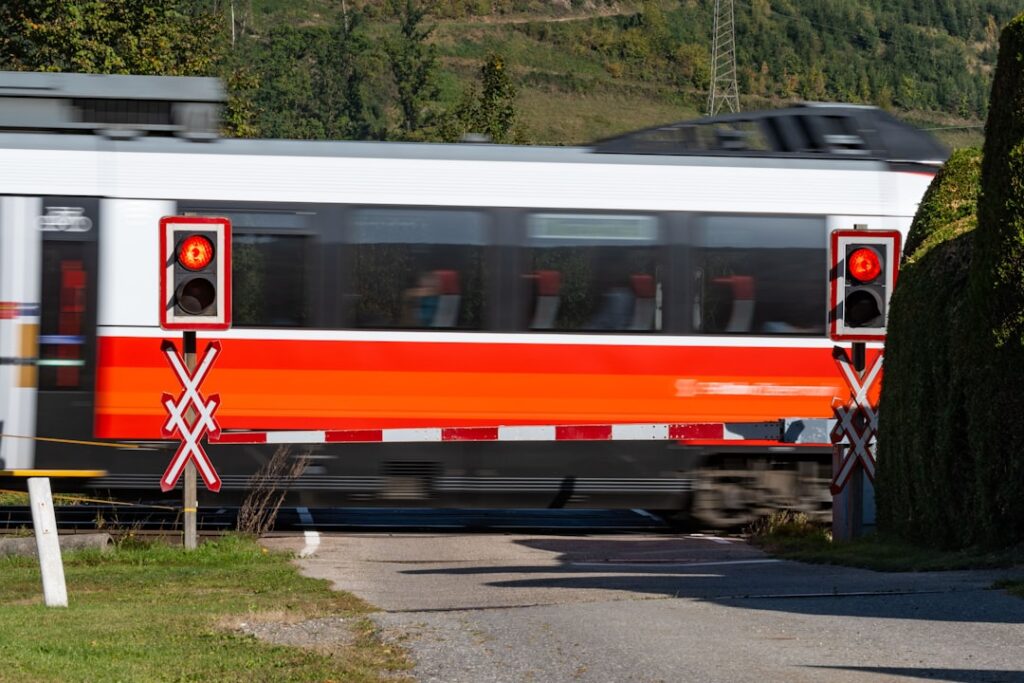
Key questions include whether the crossing was equipped with gates, if any warning lights were operational, and whether the truck driver attempted to cross ahead of the oncoming train. Investigators will also seek to determine if the train’s engineer had sufficient time to spot the vehicle and react.
The answers to these inquiries will be crucial in establishing liability and in determining whether the tragedy was an unforeseeable incident or the result of a preventable gap in safety measures. Thailand is home to numerous level crossings, some of which are staffed while many are not. The stopping distance for a freight train can exceed one mile, whereas a pickup truck can traverse a set of tracks in mere seconds.
This narrow margin for error, when eliminated, results in catastrophic outcomes. The nation’s economic reliance on freight rail ensures that these trains continue their operations, moving goods to supply stores and factories, regardless of human tragedy.
The immediate consequences are tangible: four individuals are receiving medical care, eight families are arranging funerals, and the local community in Mueang Chachoengsao district is in mourning. Historically, such accidents prompt calls for railway authorities to enhance crossing safety. However, the translation of those calls into tangible improvements—such as better signage, additional gates, or upgraded warning systems—often faces obstacles like limited budgets and the high cost of infrastructure projects.
The freight trains continue their routes regardless. For the injured, the coming weeks will focus on recovery.
For the deceased, the process moves to the formalities of death certification. For the broader population, this collision serves as a somber reminder that the country’s efficient transportation network frequently intersects with populated areas. While freight trains help reduce road congestion and pollution, they also pass through crossings where people live and work.
The investigation will eventually yield a report, which may assign responsibility or leave the matter unresolved. Regardless of the report’s conclusions, the outcome remains fixed: eight people have died, four are injured, and the crossing in Mueang Chachoengsao district remains in place, awaiting the passage of the next train.




