
A truck collided with four microbuses in Alexandria this week, killing 15 people and injuring eight others. The incident occurred on the congested roads of Egypt’s second-largest city, a port of 5 million residents that serves as both a trade hub and a tourist destination. The crash was not an isolated event.
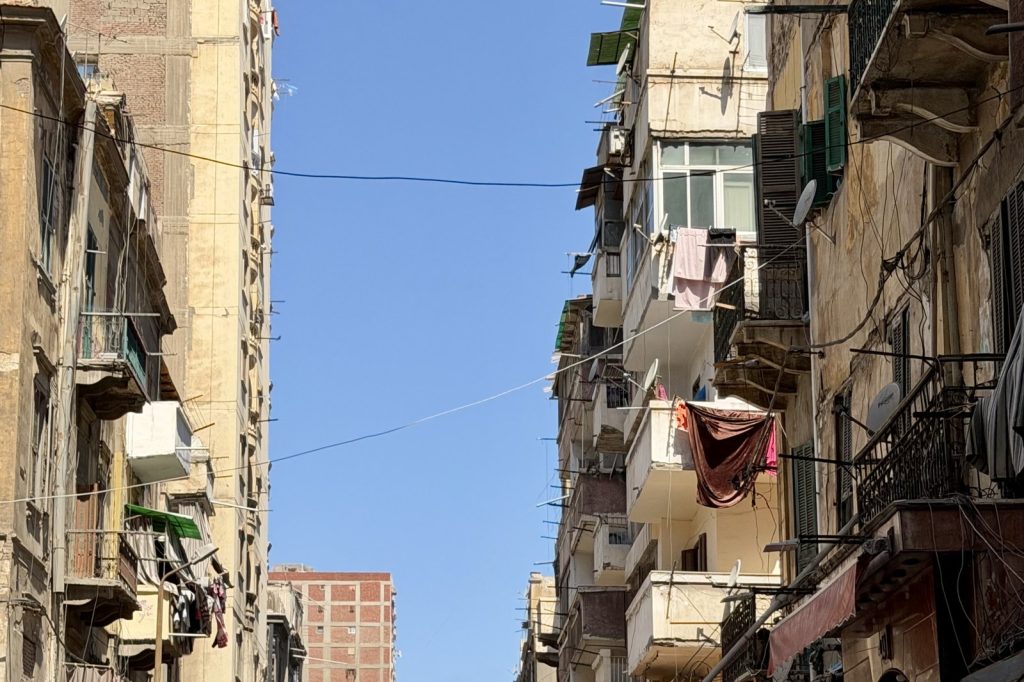
Alexandria, founded by Alexander the Great in 331 BC, has evolved into a modern industrial and tourist center without resolving infrastructure problems common to rapidly growing cities in the developing world. Its streets carry a mix of large trucks transporting goods to and from the port, public buses, and microbuses that function as informal public transit.
These vehicles compete for space on roads designed for less traffic. Investigators have not yet determined the cause of the accident. However, the circumstances follow a familiar pattern.
Traffic laws exist on paper but enforcement remains inconsistent. Road design often emphasizes speed over safety, with few dedicated lanes, poor lighting at intersections, and inadequate separation between vehicles traveling at different speeds.
Loaded trucks require significant distance to stop, while microbuses offer little structural protection to passengers. When these vehicles collide, the outcome is predictable. Egypt’s roads have long been among the deadliest in the region. The government has launched campaigns, built new highways, and tightened licensing rules, yet the death toll continues.
The structural challenges are deep. Alexandria cannot retrofit its ancient street grid quickly.
The port drives the local economy, so trucks keep coming. Microbuses keep running because residents need transportation to work. Safety improvements require money, time, and political will to enforce rules that drivers and fleet owners frequently ignore.
The city embodies a contradiction. It attracts tourists with its Mediterranean coast and ancient heritage.
It also functions as a gritty, working port. These two faces of Alexandria coexist uneasily, and the roads are where that tension becomes visible and deadly. Following such tragedies, calls for action typically emerge.
Authorities announce measures. Checkpoints may increase temporarily.
Then the pressure fades, and the roads return to their dangerous equilibrium until the next crash occurs. The names of the 15 deceased and eight injured have not been released. The investigation continues.
The forces that put that truck on that road at that moment remain in place. Alexandria will keep growing.
Its port will keep shipping goods. Its streets will keep carrying more traffic than they were designed to handle. Until the balance between economic movement and human safety is recalibrated, the risk persists.




