
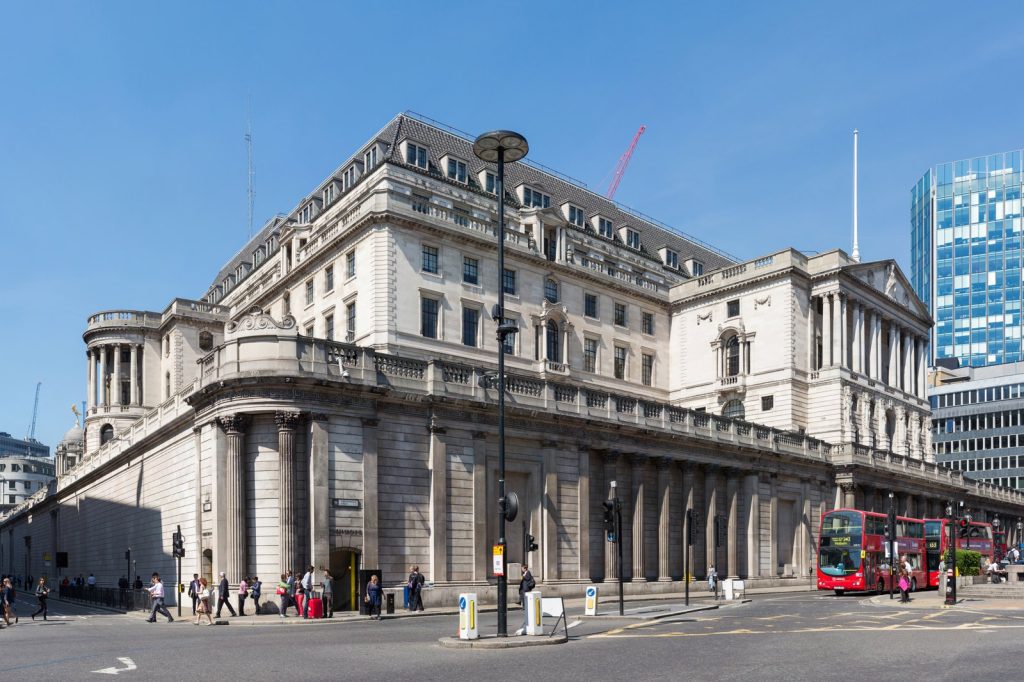
Bank of England Launches Climate‑Risk Assessment
In December 2019 the Bank of England announced a wide‑ranging programme to evaluate the financial dangers posed by climate change before they could threaten the stability of the UK economy. The move recognises that environmental degradation and economic activity are tightly linked, forming a cycle in which industrial processes harm the natural world while extreme weather events endanger asset values. The central bank concluded that prompt action was required to safeguard monetary and financial stability amid rising temperatures and more frequent severe weather.
The initiative is designed to measure how climate change affects the balance sheets of banks and insurers. It represents a notable shift in the way regulators treat risk within the financial system.
Large lenders and insurance firms are now required to scrutinise their holdings in detail, seeking out specific threats that could emerge from shifting climate patterns. This analysis goes beyond the conventional metrics traditionally used to gauge financial health. The Bank of England stresses that incorporating environmental factors into financial planning is essential for preserving stability.
By ensuring that independent banks and insurance corporations remain able to operate, the institution fulfils its core mandate. It also notes that treating climate considerations as external variables could lead to systemic failures that would reverberate across the global financial arena.
United Kingdom Institutions Face Rigorous Climate Stress Tests
All banks and insurance groups operating in the United Kingdom will be subjected to what regulators describe as the stiffest climate stress tests, conducted alongside existing financial evaluations. The lenders taking part include HSBC, Barclays and Lloyds Banking Group. A number of insurers have also agreed to participate in confidential climate‑related examinations.
Participating firms must examine their portfolios to determine exposure to physical risks such as flooding and droughts, as well as transition risks linked to policy changes and market shifts toward greener energy sources. The scope of the assessment covers every asset held by the institutions.
Regulators want a clear picture of how climate change might erode capital reserves over time. This rigorous process is intended to guarantee that financial firms can withstand shocks arising from extreme weather events or sudden regulatory adjustments. The results of the tests for both banks and insurers will be published in 2021 and 2022. The staggered timetable allows the sector to adapt gradually while preserving confidence among investors and depositors.
Connecting Environmental Change and Economic Outcomes
Because the environment and the economy are intertwined, inevitable catastrophic events generate economic losses that extend beyond national borders to affect the global arena. Activities such as burning gas and producing factory waste continue to impact the natural world, while climate change threatens to disrupt supply chains and insurance markets. The Bank of England has warned that these forces are pushing financial institutions toward a breaking point if left unaddressed. Holding additional capital enables firms to pursue further business that contributes to real economic success.
By preparing for worst‑case scenarios, companies can avoid sudden insolvencies that would ripple through the wider economy. A proactive approach encourages investment in resilience measures rather than mere reaction to disasters.
Although the transition demands significant investment, it offers long‑term benefits for stability and growth.
Future Regulatory Direction
As the United Kingdom’s central bank, the Bank of England remains committed to delivering monetary and financial stability. It is ensuring that financial institutions stay operational despite environmental pressures.
This commitment extends beyond formal regulatory requirements to encompass a cultural shift within the industry. Firms are beginning to integrate climate risk into their strategic planning processes. The forthcoming publication of test results will provide transparency for stakeholders, giving investors insight into how different companies manage climate exposure. Policymakers can draw on this data to refine regulations further.
The banking sector now acknowledges that ignoring these risks is no longer an option. The way forward involves collaboration between regulators, banks and insurers to build a resilient financial system capable of withstanding the challenges posed by a changing climate.




