
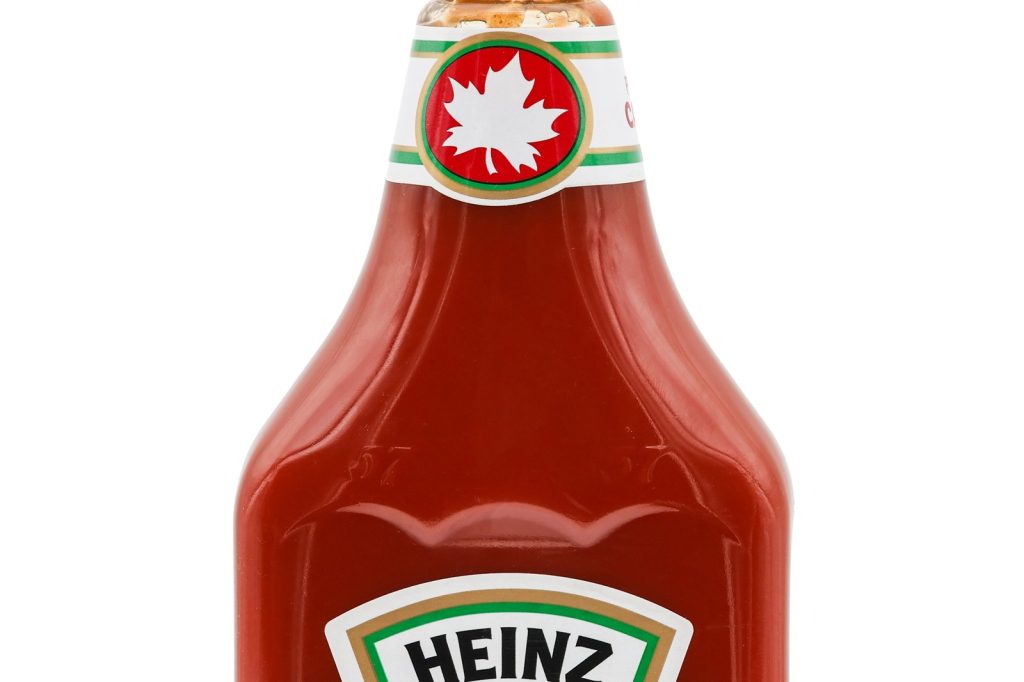
CHICAGO, July 16 — The calculus for America’s packaged-food giants has shifted, and the numbers from Kraft Heinz tell the story. The company reported a 3.5% decline in organic net sales volume for the second quarter of 2023, a period that ended July 1. Total net sales came in at $6.72 billion, down 0.5% from the $6.75 billion recorded in the same quarter of 2022.
The broader stakes here are not subtle. CEO Miguel Patricio directly attributed the volume decline to consumers buying fewer items and, critically, trading down to private-label brands.
This is the classic squeeze on branded consumer goods: when household budgets tighten, shoppers shift their loyalty from the name on the shelf to the store’s own label. For a company built on iconic names like Kraft, Heinz, Oscar Mayer, and Philadelphia, that signals a strategic vulnerability.
Volume Loss, Not Just Price Pain
What makes this quarter’s report particularly telling is that the sales decline was driven by volume, not by price. Many food companies have managed to prop up revenue by raising prices even as unit sales fall. Kraft Heinz’s 0.5% net sales drop, while modest in percentage terms, reflects a real-world dynamic: shoppers are actively choosing to buy less of the company’s products or selecting cheaper alternatives.
The company is headquartered in Chicago, Illinois, a city that anchors a vast Midwestern food-manufacturing corridor. Kraft Heinz itself was formed in 2015 through the merger of Kraft Foods Group and H.J.
Heinz Company, a deal that combined two of the most storied names in American grocery history. That legacy now faces a test in the aisles.
The Strategic Response
In response to the slowdown, Kraft Heinz announced plans to increase marketing spending and introduce new value-focused products in the second half of 2023. This is a direct countermove: double down on brand visibility and offer lower-cost options to win back the customers who have drifted to private labels. Strategically, this is a bet that the company can hold its shelf space against store brands by reminding consumers why they pay a premium for the name.
The introduction of value-focused SKUs is a recognition that the old pricing architecture may no longer fit the current consumer reality. If inflation persists and household budgets remain strained, the battle for the basket will only intensify.
The second half of 2023 will be the proving ground. Kraft Heinz is spending more on marketing and rolling out new products aimed at price-conscious shoppers. The question is whether that combination can reverse the volume decline, or whether the shift to private labels represents a more permanent change in consumer behavior.
What this signals for the broader food sector is clear: the era of easy pricing power is over. Companies that cannot demonstrate value to consumers — not just brand heritage — will continue to lose share.
Kraft Heinz has acknowledged the problem and laid out its response. The market will now watch to see if the strategy works.




