
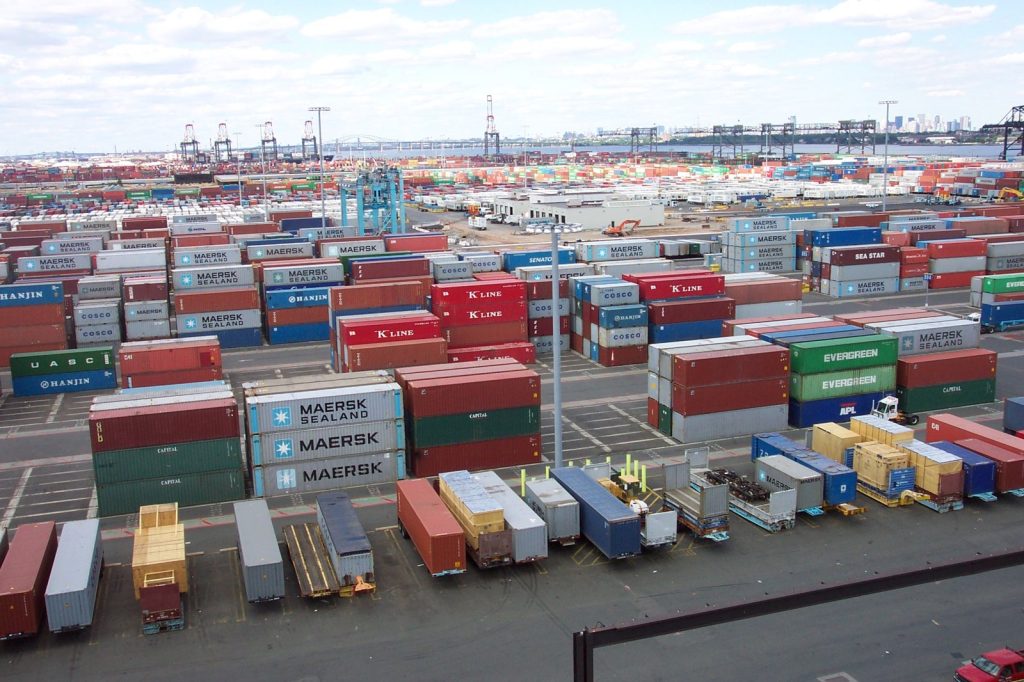
By April 15, 2025, the average effective US tariff rate had climbed from 2.5% to approximately 27%, representing the highest such level in more than 100 years. This dramatic increase occurred between January and April 2025 under the Trump administration, with the most heavily impacted sectors including metals, metal products, and vehicles. The administration has utilized Section 232 of the 1962 Trade Expansion Act to justify tariff increases reaching up to 50% on automobiles, steel, aluminum, copper, and related derivative products.
This legislation, originally passed by Congress, permits the president to unilaterally impose tariffs on national security grounds. Beyond metals and vehicles, the administration is actively considering new tariffs on additional product categories, including large-scale batteries, cast iron and iron fittings, plastic piping, industrial chemicals, and power grid and telecommunications equipment.
Constitutional Framework and Executive Authority
The US Constitution grants Congress exclusive authority to levy taxes, including tariffs. However, through legislation such as the 1962 Trade Expansion Act, Congress has delegated certain tariff-imposing powers to the president under specific conditions.
This delegation of authority has become a subject of heightened scrutiny amid the current trade policy landscape. The interplay between congressional and executive powers regarding trade policy continues to generate debate. While the administration frames these measures as necessary for protecting national security interests, the precise reasoning and mechanisms behind individual tariff decisions remain topics of ongoing analysis.
Economic Implications and International Reactions
The broad scope of these tariffs carries potential consequences for both domestic and international trade. Supporters argue that the measures are essential for shielding US industries and safeguarding national security.
Critics, however, warn of possible adverse effects, including higher consumer prices and retaliatory actions from trading partners. Economists, policymakers, and industry stakeholders are closely monitoring the situation as the United States navigates its trade relationships with other countries. The coming months are expected to be pivotal as the administration considers expanding tariff coverage to additional product categories.
Looking Forward
The evolving balance of power between the executive and legislative branches regarding trade policy remains a key area to watch. Potential challenges to these tariffs could emerge from Congress or the Supreme Court, which would have implications for the future of US trade policy.
As of April 15, 2025, the trajectory of American trade policy remains uncertain, with developments likely to shape both the domestic economy and the nation’s position in global trade.




