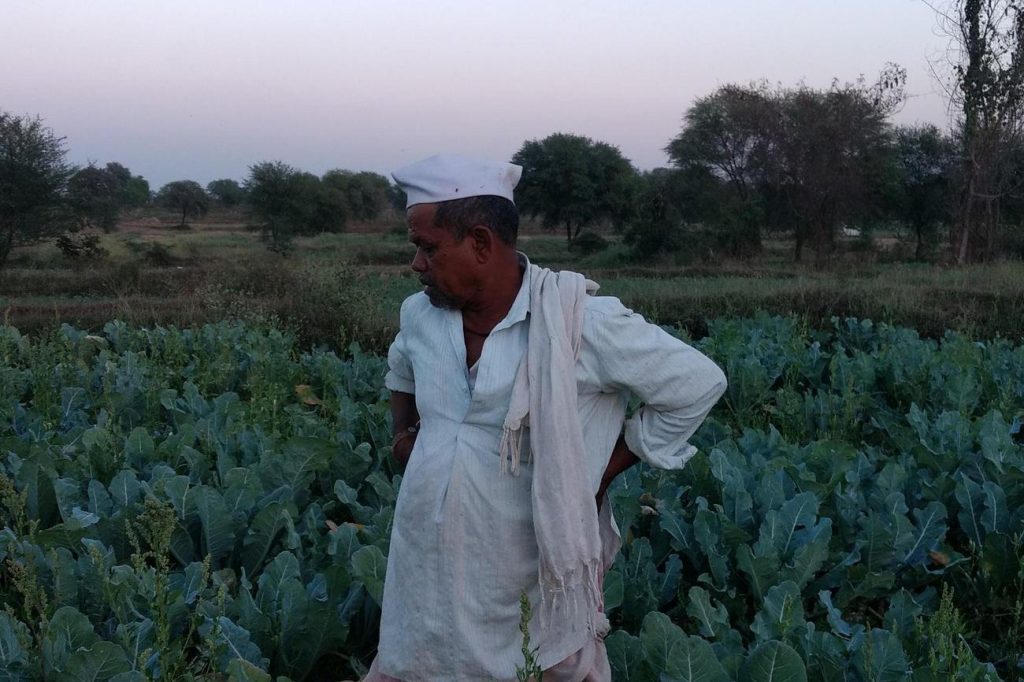
Since the first week of April 2025, an unusually early heat wave has swept across India and Pakistan, persisting through April 15. Temperatures are soaring well above the usual seasonal averages, arriving months before the traditional peak heat of May and June.
The anomaly is exposing hundreds of millions of people to severe thermal stress and disrupting the region’s agricultural cycle. At a time when wheat, pulses and a variety of vegetables are still in critical growth phases, the sudden temperature spike is preventing crops from completing grain‑filling. Early‑season heat reduces yields, and for smallholders who depend on each harvest to meet debt obligations, a shortfall can force the sale of livestock, cut back meals and deepen poverty.
The accompanying report describes these effects as “agricultural disruptions throughout the region,” reflecting the quiet desperation felt by many rural families. Health facilities are also feeling the impact.
Hospitals in affected states report a rise in heat‑related conditions such as dehydration, heat stroke and kidney failure. These cases are filling wards and stretching already limited medical supplies, highlighting how the early heat wave has caught both infrastructure and healthcare services off guard. Scientists cited in the report note that while the precise drivers of this particular event remain under investigation, a broader pattern is evident: heat waves that historically arrived in late spring are now occurring in early April.
This shift compresses the window for safe outdoor labor and shortens the period crops have to mature, threatening both productivity and worker safety. The report warns that the heat wave “is likely to have long‑term consequences for the region’s economy and environment.” In practical terms, this means a weakening of the rural economy, reduced food security and heightened pressure on natural resources.
Rivers are running lower, soil moisture is evaporating more quickly, and ecosystems that evolved around a stable seasonal rhythm are experiencing mismatched timing. Local authorities are attempting to mitigate the crisis by providing water, shade, cooling centres and electricity for fans and refrigeration. Supplying ice and maintaining these services, however, require substantial funding, coordination and political commitment. While the situation is being “closely monitored,” the report stresses that observation alone does not equate to effective intervention, and delays between monitoring and action can prove fatal.
The cascade of impacts is clear: extreme heat leads to crop failures, which translate into income loss, heightened hunger and increased migration. Urban areas receiving migrants face added strain on services, creating a feedback loop that amplifies the original shock.
Because the heat wave arrived earlier than usual, there is less time for communities to prepare and recover before the next climatic stress. In both India and Pakistan, the heat wave remains ongoing. Each additional day of extreme temperatures deepens agricultural damage and adds to the burden on hospitals.
The report’s caution about “devastating impact on the region’s ecosystems and natural resources” is already evident in the fields and medical wards of the subcontinent.