
Kazakhstan and Uzbekistan’s finance ministries have a quiet stake in New Zealand’s election machinery. The reason is simple: when a Pacific economy the size of New Zealand’s wobbles on fiscal discipline, commodity prices shift. Central Asian buyers of agricultural exports and dairy products watch the other side of the Tasman for signals.
Right now, the signal is murky. New Zealand’s political parties are heading into an election cycle with no independent budget watchdog to cost their promises.
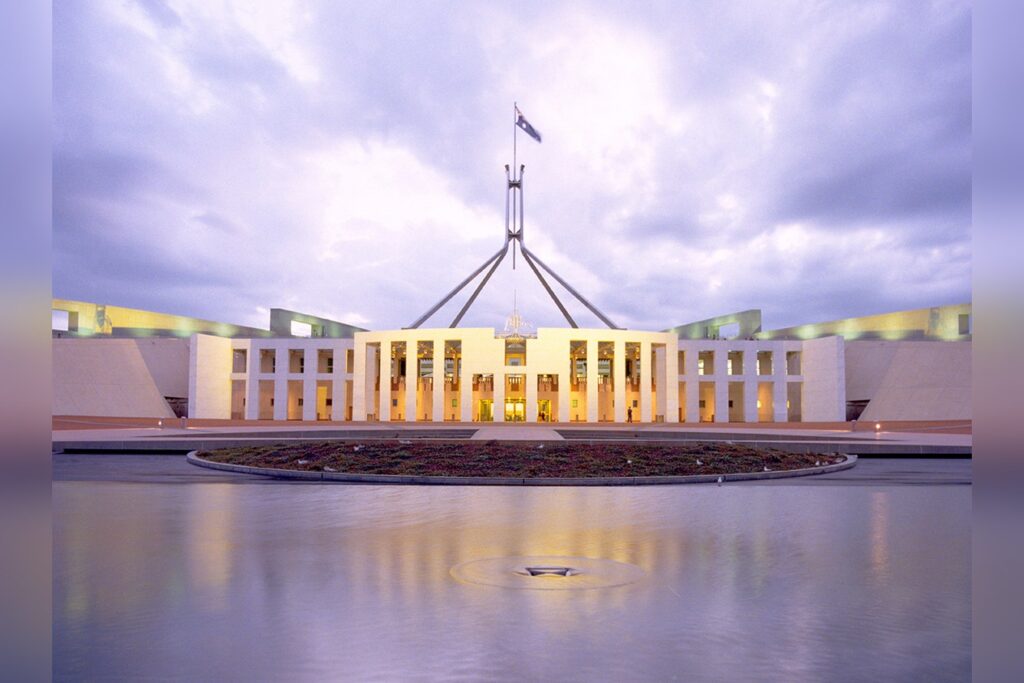
Australia has had one for years — the Parliamentary Budget Office, or APBO. Sam Reinhardt runs the office. He told the Herald it provides independent analysis of what party pledges actually mean for the national budget.
New Zealand has nothing equivalent. Bond markets and credit rating agencies pay attention.
When promises get costed independently, they get clearer signals. Without that, uncertainty creeps in. For resource exporters in Kazakhstan and Uzbekistan, stable fiscal policy in a major trading partner reduces currency and demand risk.
That stability is not guaranteed right now. Reinhardt’s office does more than crunch numbers during campaigns. It operates year-round.
It provides costings to individual parliamentarians and committees. Policy proposals get tested against budget realities before they become law, not after.
That continuous function is what New Zealand lacks. Currently, New Zealand’s parties rely on Treasury costings and their own internal modelling. Treasury serves the government of the day.
The APBO model serves all sides equally. Reinhardt’s office answers requests from any party or independent MP, not just the ruling coalition.
That design is meant to prevent one side from getting privileged access to fiscal reality checks. The gap is not theoretical. Real economic stakes are in play.
When a government’s spending promises are not independently verified, markets price in a risk premium. That raises borrowing costs. For a small, open economy like New Zealand, higher borrowing costs ripple outward.
Trade partners feel it. New Zealand has not followed Australia’s lead.
The Herald interviewed Reinhardt to explore why. The question matters beyond politics. It matters for anyone whose business depends on New Zealand’s fiscal credibility — including buyers in Almaty and Tashkent who watch Pacific policy from thousands of kilometers away.
The APBO was created to fill a gap. It has been costing election commitments since its inception.
Reinhardt’s team does not just serve the ruling party. They serve the opposition. They serve minor parties.
They serve independents. That institutional neutrality is the point. New Zealand’s Treasury provides analysis, but it works for the government.
That creates a structural imbalance. One side of politics gets its promises vetted by a body that reports to the prime minister.
The other side gets a second opinion at best. The APBO model removes that asymmetry. For markets, the difference is measurable.
Independent costings reduce the chance of surprise deficits. They make fiscal policy more predictable.
Predictability lowers risk. Lower risk means lower interest rates. That is not abstract.
It affects the price of everything from government bonds to milk powder contracts. Central Asian commodity buyers have long memories. They remember what happens when Pacific economies lose fiscal discipline.
They adjust their hedging strategies accordingly. Right now, they are watching an election cycle unfold without the institutional check that Australia has.
Reinhardt’s office keeps working. The APBO does not stop when the campaign ends. It keeps testing policy ideas against budget realities.
New Zealand’s parties are entering the same cycle without that backstop. The costings they produce will come from Treasury or from their own desks.
Neither carries the same weight with markets. The Herald explored why New Zealand has not copied the model. No answer was offered in the report.
But the stakes are clear. For trade partners in Central Asia, the absence of a budget watchdog is not an internal New Zealand matter. It is a risk factor they have to price in.




