
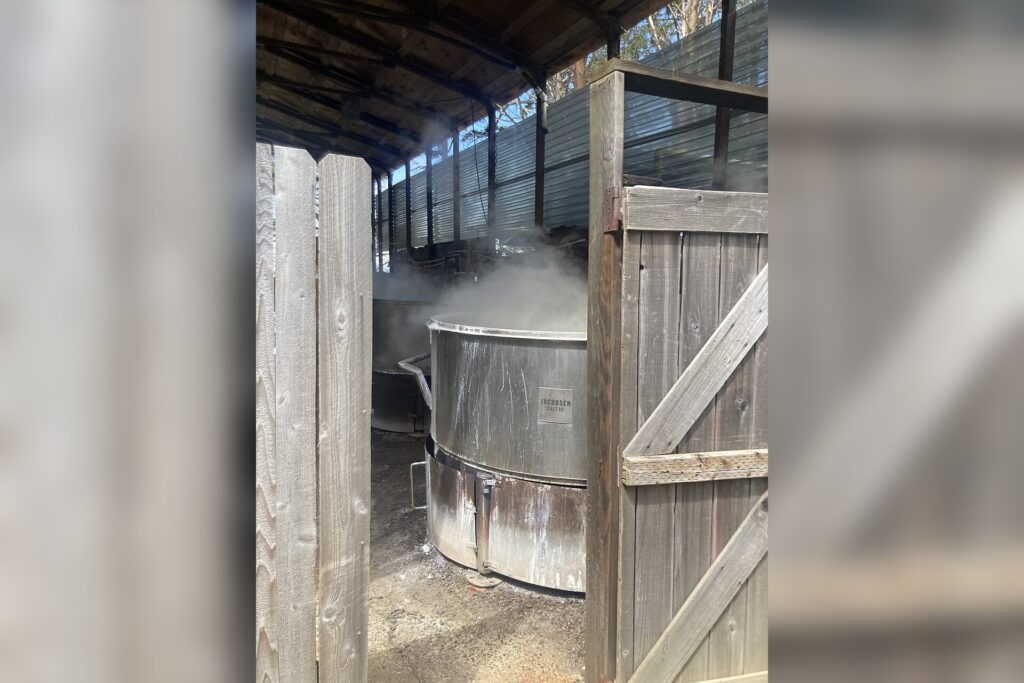
Buyers from Austria, France, the United Kingdom and the United Arab Emirates are circling Electrochem Ghana Limited. Chief Executive Francis Buamah said talks with them have picked up over the last six months, as the company hunts for financing to scale up and modernise its operations at Ada.
The interest landed just as civil society organisations threw their support behind more equity investment in the firm, particularly from the Minerals Income Investment Fund (MIIF). A delegation of CSO leaders had recently visited the Ada Songor Salt Project. Afterward they called the operation a strategic national asset that could turn Ghana into a major name in Africa’s salt industry.
On the trip they toured the facilities and sat down with management, traditional authorities and community stakeholders. The groups said they were pleased with what Electrochem has put into the site over five years. In their view the project is becoming a driver of industrialisation, jobs and local development.
Kofi Owusu Hene, better known as Kofi Kapito, is chief executive of the Consumer Protection Agency. He praised the company for its drive to unlock the economic potential of the Songor Lagoon, and said the spending so far has set Ada up as a future salt production hub with continental significance.
“Electrochem’s commitment to developing Ghana’s salt industry is evident, and the investments being made have the potential to generate substantial economic opportunities for both the local community and the country at large,” he said.
He also pressed management on one point. Residents need to keep hearing about the long-term benefits of the project, Kapito said, and their worries should be handled through dialogue and consultation.
A $500 million plan
Those comments came as Electrochem pursues a $500 million expansion programme. The money would pay to automate the pumping systems, lay pipelines, build a jetty, buy vessels and barges, finish a salt refinery, set up a caustic soda plant and purchase mining equipment. A research-focused university is also part of the plan.
Buamah said foreign investors see Ghana as an entry point to the rest of the continent. “We’ve had investors from the United Arab Emirates, France, the United Kingdom and Austria who are interested in the salt business and see Ghana as a gateway to the African market,” he said. He pointed to the African Continental Free Trade Area, which gives access to more than 1.2 billion people.
Board Chairman Professor Kofi Abotsi said private money has to produce results for the nation. Returns to shareholders are not enough, he argued. The Songor project should also create jobs, support industrial growth and improve life in the surrounding communities, and he called stakeholder engagement essential to public confidence.
Voices from Ada
Traditional authorities welcomed the investor interest. The Vice President of the Ada Traditional Council described the Songor Lagoon as one of Ghana’s most valuable natural resources, able to yield millions of metric tonnes of industrial salt each year. He recalled the 1991 Songor Master Plan, which called for investors, local communities and structured lagoon management to work together.
The government gave Electrochem the concession in 2019, and traditional leaders said the aim was to revive a salt industry that had sat underused for decades. Nene Agudey Obichere III brushed aside what he called misconceptions about the company, saying its work fits with sustainable development, community participation and restoring the lagoon ecosystem.
The Council also commended Electrochem for creating jobs, supplying potable water and running women empowerment programmes. It asked for continued government support, peaceful engagement among stakeholders and effective law enforcement to protect the lagoon.
The CSO visit was part of an effort to build public understanding of the company’s work. Electrochem plans to raise annual salt production to one million tonnes.




