
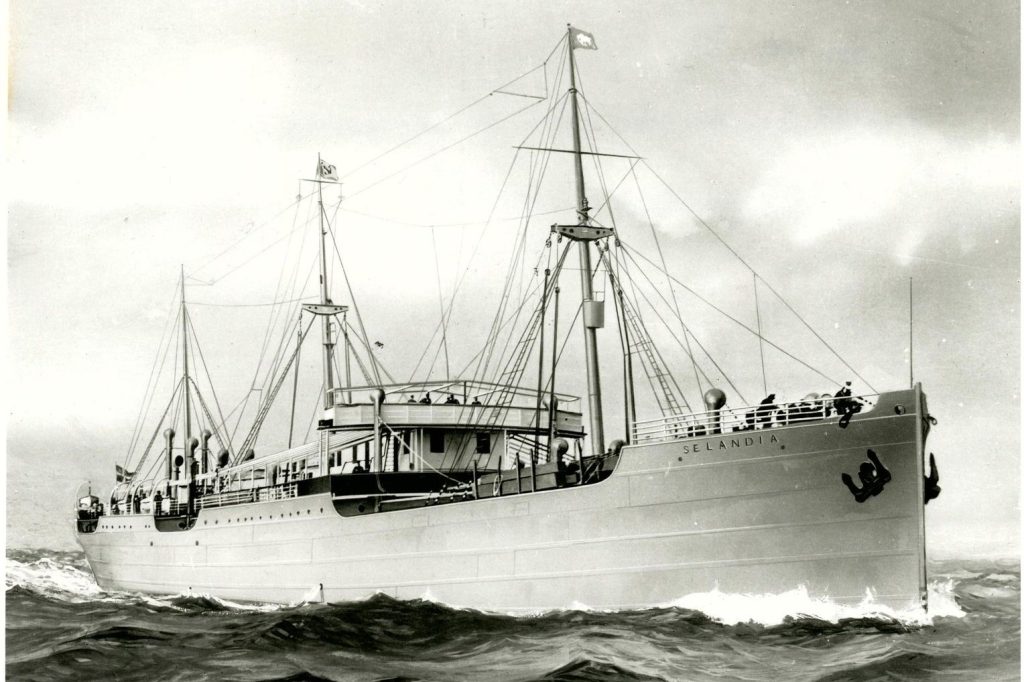
LONDON, July 13 — The evolution of the marine diesel engine, from a French canal experiment to the dominant power source of global commerce and naval warfare, marks a technological shift that reshaped both trade routes and military strategy. The first diesel-powered ship, the ‘Petit-Pierre,’ was launched in 1903 on the Canal du Rhône in France, a modest beginning for a propulsion system that would soon challenge the era’s steam-powered fleets. By 1912, the Danish ship ‘MS Selandia’ became the first ocean-going diesel-powered vessel, crossing the Atlantic.
This breakthrough demonstrated the engine’s viability for long-distance maritime travel, offering a 50% greater fuel efficiency than steam turbines. According to the historical record, this efficiency gain also required less crew for operation, a factor that would influence commercial shipping economics for decades.
Strategic implications in naval warfare
The strategic context of the diesel engine’s adoption cannot be separated from its military applications. In naval warfare, diesel engines allowed submarines to travel longer distances underwater, a critical advantage that altered the balance of power at sea. The German U-boat fleet in World War I, which ran from 1914 to 1918, used diesel engines for surface propulsion.
The record shows that 373 U-boats were commissioned during that conflict, a fleet that relied on diesel technology to patrol the Atlantic and disrupt Allied shipping lanes. This development did not go unnoticed by other naval powers.
Diesel engines now power most naval surface combatants and submarines, according to the source material, cementing their role as the standard for modern military vessels. The shift from steam to diesel in naval platforms reflected a broader recognition that fuel efficiency and extended operational range were decisive factors in maritime conflict.
Commercial dominance and modern engineering
By 2023, according to the International Maritime Organization, about 95% of the world’s merchant fleet — over 50,000 ships — uses diesel engines. This near-total market dominance underscores the engine’s reliability and economic advantages. The largest diesel engines, such as the Wärtsilä-Sulzer RTA96-C, produce up to 109,000 horsepower and weigh 2,300 tons.
These massive machines represent the pinnacle of internal combustion engineering, powering the container ships and tankers that move the bulk of international trade. The diesel engine’s fuel efficiency remains its defining characteristic.
Compared to the steam turbines that preceded them, diesel engines offered a 50% improvement, a margin that translated directly into lower operating costs and greater range for commercial operators. This efficiency advantage, combined with reduced crew requirements, made diesel the default choice for shipowners worldwide. The development from the ‘Petit-Pierre’ in 1903 to the 109,000-horsepower engines of today illustrates a century of steady innovation.
The strategic context of naval power, the economics of global trade, and the engineering limits of combustion all converged around the diesel engine. What began as a French experiment on the Canal du Rhône now powers the vast majority of the world’s merchant fleet and most of its warships, a legacy that will shape the next phase of maritime propulsion.




