
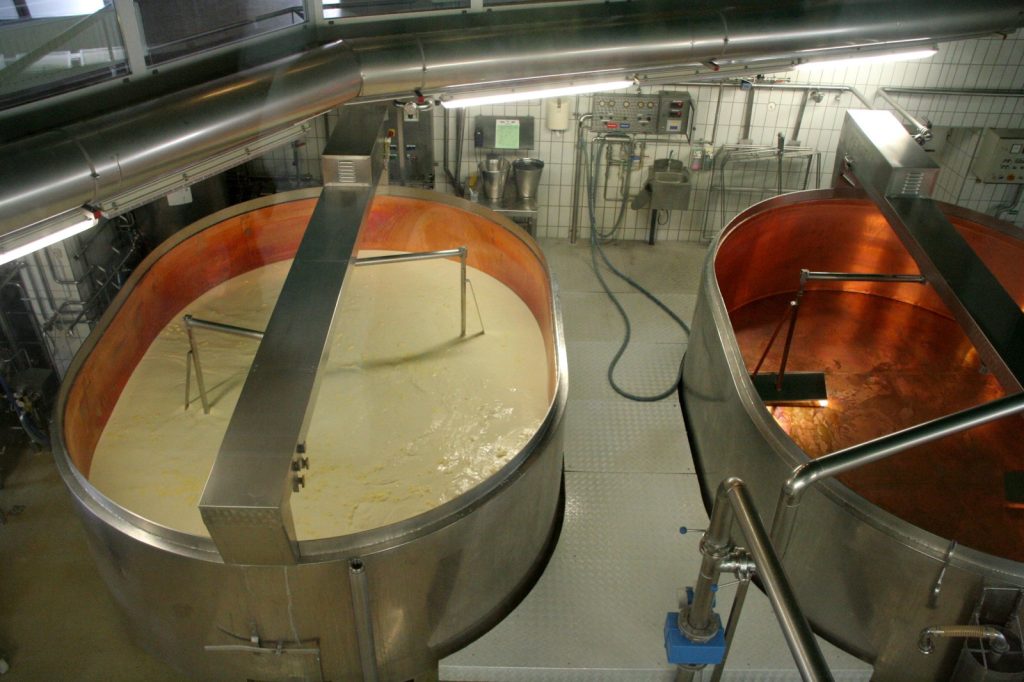
WASHINGTON, July 16 — A new U.S. Department of Agriculture report shows food input costs rose 8.5% in 2022 and kept climbing through 2023, squeezing profit margins for American food manufacturers already wrestling with declining sales volumes. The record shows a compound pressure on the sector. Agricultural commodity prices, labor rates, and transportation expenses have all moved higher, according to the USDA data.
For packaged-food companies, the cost of wheat — a key input — averaged $7.50 per bushel in the first half of 2023. That is down from $8.50 in 2022, but still well above the five-year average of $5.80.
Labor costs in the food manufacturing sector rose 5.2% year-over-year in June 2023, according to the Bureau of Labor Statistics. Transportation costs — including diesel fuel and trucking rates — increased 4.8% over the same period.
Price Hikes Meet Consumer Resistance
Companies including J.M. Smucker and Conagra Brands announced price increases in early 2023. But a slowdown in consumer demand limits their ability to pass on all costs.
The result is a narrowing margin environment. Food makers face a structural problem: input costs are rising across multiple lines simultaneously — commodities, labor, and logistics — while the consumer side of the equation is softening.
The USDA data does not break out profit-margin figures by company, but the aggregate trend is clear. When input costs rise faster than a firm can raise prices without losing market share, earnings come under pressure.
Wheat Prices Still Elevated
Wheat serves as a useful barometer for the broader cost picture. At $7.50 per bushel in the first half of 2023, the grain remains above its five-year average of $5.80. While the price has eased from the 2022 spike, it has not returned to pre-war levels.
For manufacturers of bread, pasta, crackers, and cereals, that means ingredient costs are structurally higher than the pre-2022 baseline. And unlike some other commodities, wheat prices are not expected to fall sharply in the near term, according to industry analysts.
Labor and Logistics Pressures
The labor component is equally significant. Food manufacturing is a labor-intensive sector, and the 5.2% year-over-year wage increase in June 2023 reflects a tight labor market across the broader economy. Trucking rates and diesel costs — up 4.8% in the same period — add another layer of cost that manufacturers cannot easily control.
The combined effect is that food companies are operating in an environment where three major cost drivers — raw materials, workers, and freight — are all rising simultaneously. Historically, manufacturers could offset one rising cost with savings elsewhere.
That option is largely absent now.
What to Watch
The key question going forward is whether consumer demand will stabilize or continue to soften. If sales volumes keep declining, manufacturers will face a difficult choice: absorb more cost on their margins, or risk further volume loss by raising prices again. The USDA and BLS data suggest the pressure is not temporary.
Input costs are elevated across the board, and the consumer pullback shows no signs of reversing. For companies like J.M.
Smucker and Conagra Brands, the second half of 2023 will test whether their pricing strategies can hold.




