
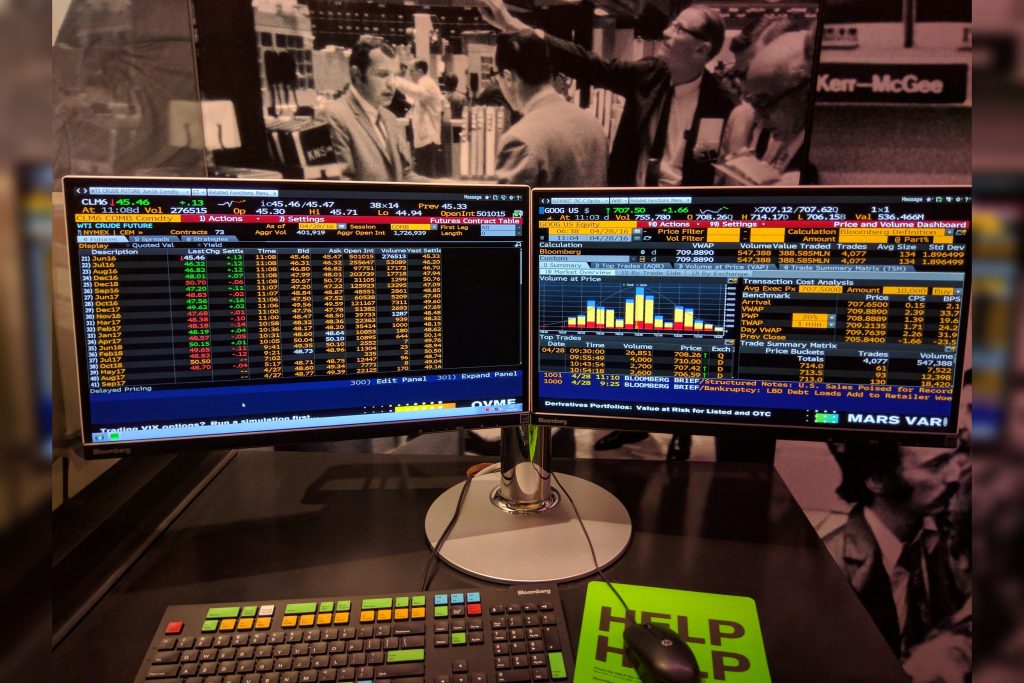
NEW YORK, July 9 — The Dow Jones Industrial Average suffered its worst single-day performance in four weeks on July 5, dropping 1.5 percent to close at 39,112.16. The sell-off came as renewed tensions between the United States and Iran rattled global markets, sending investors scrambling for safe havens. The broader S&P 500 fell 1.2 percent, while the Nasdaq Composite lost 1.1 percent.
The trigger was a confirmed acceleration in Iran’s nuclear program. On July 3, the International Atomic Energy Agency reported that Iran had increased its enrichment of uranium to 60 percent purity at the Natanz facility — a step closer to the 90 percent threshold needed for nuclear weapons.
The United States responded swiftly. On July 5, the U.S. Department of State announced additional sanctions targeting Iranian oil exports and entities linked to the Islamic Revolutionary Guard Corps. Oil prices surged in reaction, with West Texas Intermediate crude rising 3.2 percent to $83.88 per barrel, and Brent crude gaining 2.9 percent to $87.42 per barrel.
The yield on the 10-year U.S. Treasury note fell to 4.28 percent, a classic sign of investors seeking safety amid geopolitical uncertainty. The Dow’s decline was led by Boeing, which fell 2.8 percent; Caterpillar, down 2.5 percent; and Goldman Sachs, which lost 2.3 percent.
The previous worst day for the Dow was June 11, when it fell 1.8 percent on inflation concerns. The current escalation marks the first major market reaction since Iran’s direct attack on Israel on April 13, 2024, which involved more than 300 drones and missiles. Tensions between the United States and Iran have been simmering since Washington withdrew from the Joint Comprehensive Plan of Action in 2018.
The nuclear deal, which had limited Iran’s enrichment activities in exchange for sanctions relief, unraveled after the U.S. exit. Iran has since steadily expanded its nuclear work, moving from low-level enrichment toward weapons-grade capability. The IAEA’s confirmation on July 3 that Iran had accelerated enrichment to 60 percent purity at Natanz marked a significant escalation.
Iran maintains its nuclear program is for peaceful purposes, but the move toward near-weapons-grade material has alarmed Western governments and regional neighbors alike. The Dow’s drop on July 5 was its sharpest since the June 11 decline.
The sell-off in Boeing, Caterpillar, and Goldman Sachs — companies with significant exposure to global trade and geopolitical risk — underscores the sectors most vulnerable to a prolonged crisis. Oil prices, which had been relatively stable in recent weeks, jumped sharply on the news. West Texas Intermediate crude rose more than 3 percent, while Brent crude gained nearly 3 percent.
The fall in the 10-year Treasury yield to 4.28 percent signals that investors are moving money into bonds, a traditional safe haven. This flight to safety often comes at the expense of equities, particularly in sectors tied to industrial production and global trade.
Previous spikes in U.S.-Iran tensions, including the April 13 attack on Israel, have tended to fade after initial market jitters. But the nuclear dimension adds a new layer of risk. If Iran continues to enrich uranium toward weapons-grade levels, the prospect of further sanctions or even military action could keep markets on edge.
The latest round of sanctions, announced on July 5, targets Iranian oil exports and entities linked to the Islamic Revolutionary Guard Corps. The IRGC, a powerful branch of Iran’s military, has been designated a terrorist organization by Washington. What comes next is uncertain.
The IAEA is expected to report further on Iran’s enrichment activities in the coming weeks. Any additional steps toward the 90 percent threshold could trigger a more severe response from the United States and its allies, potentially including further sanctions or a referral to the United Nations Security Council.
For now, markets are watching for signs of de-escalation — or escalation. The Dow’s next move will depend on whether diplomatic channels open or the standoff deepens.




