
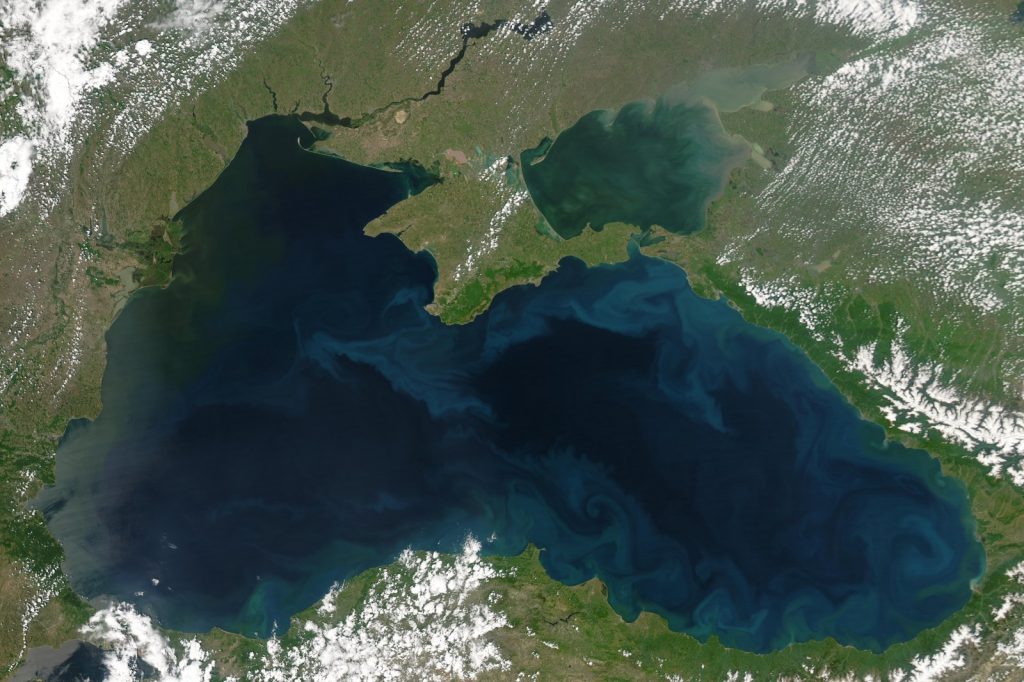
The Russian port of Novorossiysk temporarily halted grain-terminal operations after a drone attack in early August. Russian strikes, meanwhile, kept hitting Ukrainian export infrastructure. Between them, the two countries supply a major share of the world’s traded wheat, so a closed terminal on either side matters far from the Black Sea.
The Most-Agro report, dated August 24, argues the danger is not one big crop failure. The problem is that production setbacks are piling up alongside disruption to the routes, ports and commercial ties needed to get grain from exporters to buyers. That can push up landed food costs even when world stocks look fairly comfortable. As the report puts it, a crop on hand does not automatically mean grain available for export.
Detours are failing too
Ukraine has leaned on the Danube as an alternative route. Drought has lowered river levels, though, and that has cut the efficiency of the corridor. This year’s shipments from both countries have been heavily disrupted by attacks on Black Sea logistics.
Weather adds to the strain
Elsewhere, heat and drought are eating into harvests. Germany’s main farmers group has reported lower yields for several crops, wheat among them, after prolonged dry, hot weather. Severe drought is stressing parts of the US Great Plains. Australian farmers planted fewer wheat acres because crop economics are weak and input costs are high, and fertilizer there has grown more expensive as the Strait of Hormuz disruption ripples through global energy and input markets.
Who is most exposed
Import-dependent countries take the hardest hit when higher prices and disrupted routes arrive together. Egypt buys most of its wheat abroad and has been trying to grow more at home to lessen that exposure. Some other developing economies face a different trap: trade agreements or tariff talks can lock them into buying grain from one origin even when cheaper suppliers exist, which turns trade policy into one more source of food inflation.
Large inventories left by strong harvests last season give the world some cushion. The report cautions that countries with thin reserves, weak currencies or heavy import reliance can feel price pressure much sooner than the global balance sheet suggests. Transport, insurance, fertilizer, storage and currency costs can all magnify the effect.
Its advice to buyers heading into the next marketing cycle is blunt: origin diversification and dependable execution matter more now.




