
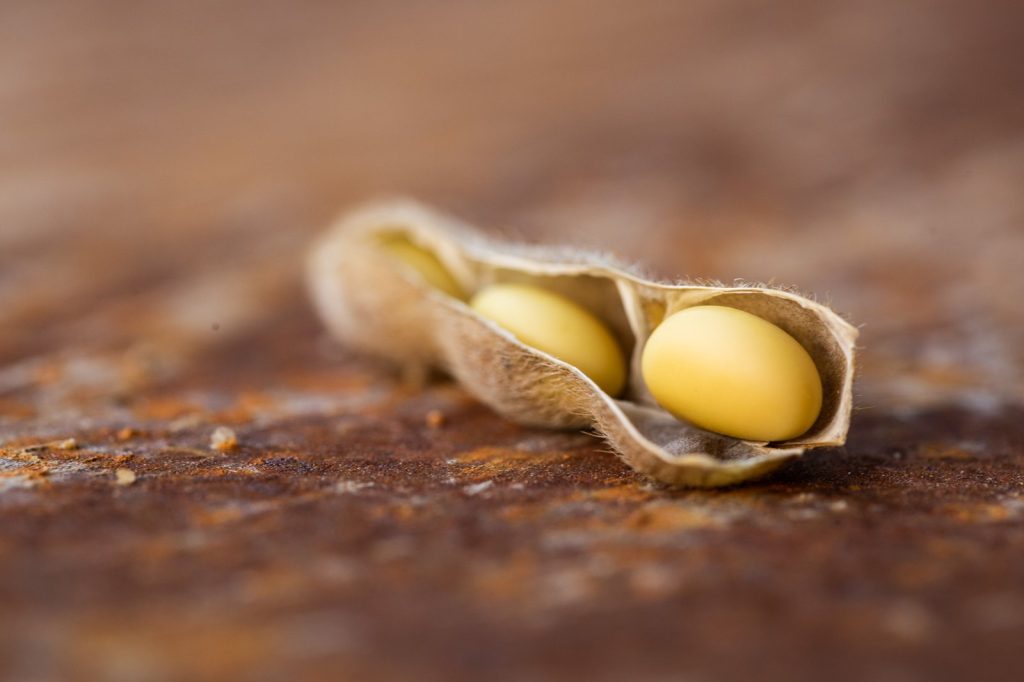
KAMPALA, July 7 — For a smallholder farmer in eastern Uganda, the difference between a good season and a great one can come down to a single seed. That’s the story behind Mak soya3N, an improved soybean variety now being recommended by Uganda’s National Oil Seeds Program (NOSP). The new seed is bred to solve a specific set of frustrations.
Traditional soybean varieties in Uganda tend to be small, hard, and prone to a maddening problem: their pods split open easily before harvest, scattering seeds across the ground. For a farmer who has spent months tending a crop, watching the harvest literally fall to the dirt is a loss that cuts deep.
Mak soya3N changes that equation. Under proper management, the variety can yield 700 to 1,500 kilograms per acre. That’s a dramatic leap from the 300 to 450 kilograms per acre that traditional varieties typically produce.
For families who depend on every row they plant, this isn’t just a statistic. It’s the difference between a harvest that feeds the household and one that leaves a surplus to sell.
The seed is part of a broader suite of improved varieties developed by Ugandan agricultural research institutions. But a better seed alone doesn’t change a farmer’s life. It takes training in best practices, access to markets, and the courage to try something new.
Take Moshebo Moses, a farmer with Magada Co-operatives in Namutumba district. Using improved seeds like Mak soya3N, combined with training on modern growing techniques, Moses expanded his soybean cultivation from one acre to five acres. The result wasn’t just more land under cultivation; it was a significant increase in his harvests.
For a farmer in a rural community, that kind of growth can mean building a more secure future for his family. The human side of this story is about smallholder productivity.
In Uganda, where most farmers work on small plots of land, a seed that yields more and wastes less is a powerful tool. It’s a mechanism for lifting families, one field at a time. What this means for families in Namutumba and beyond is more food on the table and more income at market.
It means a crop that doesn’t betray you at the final moment. Behind this breakthrough is the quiet work of researchers and the steady hands of farmers like Moshebo Moses, proving that sometimes the most profound change starts with something as small as a seed.




