
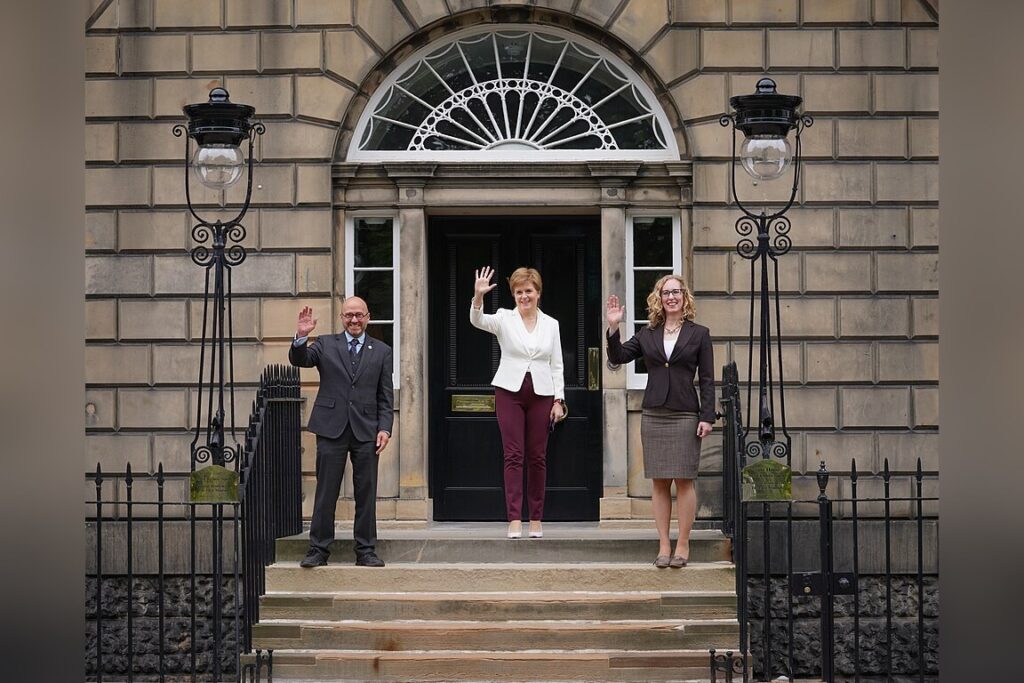
EDINBURGH, July 7 — A proposal from the Scottish National Party Government to introduce what critics are calling a “mansion tax” on high-value homes has sparked debate across the country, with implications that reach well beyond Scotland’s borders. The SNP Government launched a public consultation on the matter, which was first reported by the Scottish Daily Mail on July 6, 2026, through Political Editor Michael Blackley. The proposal would create new tax bands affecting approximately 15,000 property owners whose homes fall within the highest value brackets.
For communities across Asia, particularly those with family members living and working in Scotland, this proposal carries weight. Many Filipino and other Asian professionals in healthcare, finance, and technology sectors have put down roots in Scottish cities like Edinburgh and Glasgow.
A change in property tax policy could reshape decisions about buying homes, sending remittances, or eventually returning to the region. Local authorities in Scotland stand to receive the additional revenue, estimated at between £12 million to £16 million annually. That money would flow into council budgets, funding services that families across Scotland rely on — from schools to social care.
Economic concerns and investment
Critics of the proposal include property market analysts and opponents of the SNP who argue the tax could harm Scotland’s economy by deterring investment. The concern is that wealthy buyers and developers may look elsewhere, taking their capital with them. For families across the region who invest in Scottish property — whether as a home base for children studying abroad or as a long-term investment — the new tax bands could mean higher costs.
The 15,000 affected homeowners represent a slice of the market that includes not just local residents but international buyers from Asia and beyond. The SNP Government, as the proponent of the mansion tax proposal, has framed the public consultation as a step toward a fairer tax system.
But the timing and the potential economic fallout remain points of contention.
What this means for communities
Closer to home, for families across the Philippines and elsewhere in Asia who have relatives in Scotland, the proposal raises practical questions. Will higher taxes on expensive homes push up rents in the broader market? Could it slow construction of new housing, affecting availability for everyone?
The public consultation process means that voices from all sides — property owners, local councils, investment analysts, and community groups — will have a chance to weigh in before any legislation moves forward. For the SNP Government, balancing the promised revenue for local authorities against the risk of driving away investment is the central challenge.
As the consultation unfolds over the coming months, families across the region with ties to Scotland will be watching closely. The outcome could influence not just tax bills, but the broader economic climate for everyone who calls Scotland home — whether by birth or by choice.




