
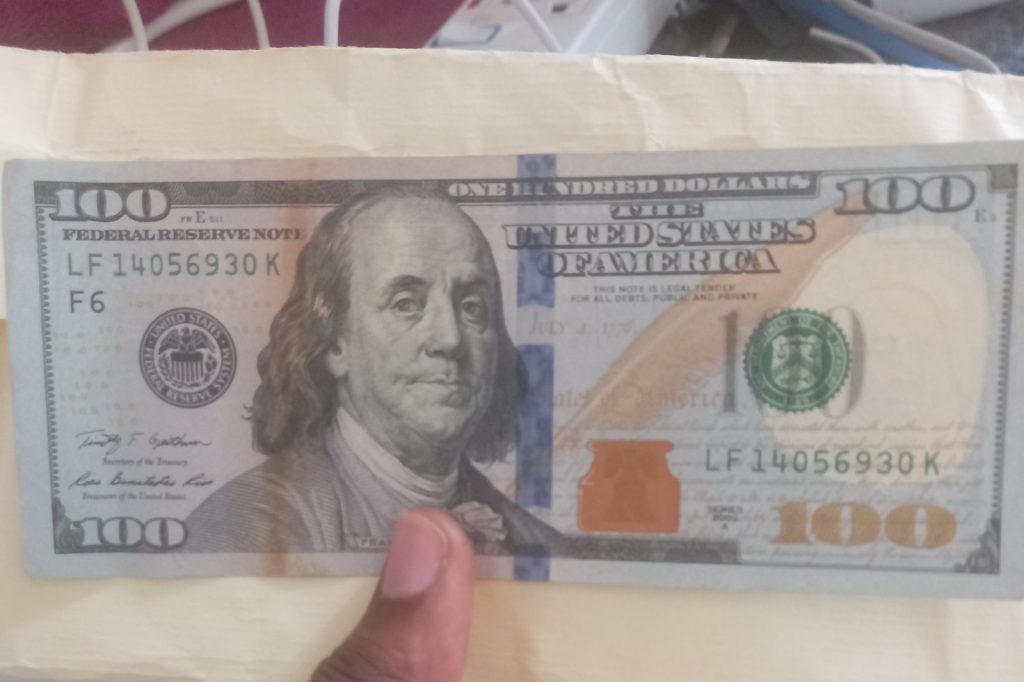
LONDON, July 8 — The story of the world’s foreign exchange reserves is, in many ways, the story of American economic power itself. For those who track the ebb and flow of global finance, the numbers tell a clear, if evolving, tale. According to the International Monetary Fund’s Currency Composition of Official Foreign Exchange Reserves, known as COFER, the dollar’s share of global allocated reserves stood at 58.36% in the fourth quarter of 2022.
That figure, while still dominant, marks a significant decline from 71% in 1999, the year the euro was introduced. The euro, for its part, now accounts for 20.47% of allocated reserves.
The Japanese yen holds 5.51%, the British pound 4.95%, and the Chinese renminbi 2.69%. For those involved in the daily mechanics of international finance, these percentages are not abstract statistics; they represent the gravitational pull of currencies that underpin trade, investment, and national security.
The Dollar’s Reach in Trade and Debt
What unfolded over the past two decades is a gradual, but real, diversification. Yet the dollar’s role in the global payments system remains formidable. According to SWIFT data from 2023, the dollar is used in about 40% of all global payments.
That is a staggering share for a single national currency, and it shapes the choices made by central banks, finance ministers, and corporate treasurers alike. The dollar’s dominance is also deeply embedded in commodity markets.
Oil, the lifeblood of the global economy, is priced in dollars, a system known as the petrodollar that dates to the 1970s. For countries that import energy, this means they must hold dollars to pay for it. The Bank for International Settlements reports that the dollar is on one side of 88% of all foreign exchange trades.
That number alone explains why, for all the talk of de-dollarization, the greenback remains the undisputed king of currency markets. In debt markets, the story is similar.
About 60% of all international debt securities are dollar-denominated. For borrowers in emerging markets, this creates a particular vulnerability: when the dollar strengthens, their debt servicing costs rise. For those involved, the stakes are immediate and personal.
Who Holds the Debt
A key measure of the dollar’s enduring appeal is the vast stock of U.S. Treasury securities held by foreign entities. As of March 2023, that total stood at about $7.4 trillion. Japan and China are the largest holders, with $1.1 trillion and $859 billion respectively.
These holdings are not just numbers on a balance sheet; they represent a deep, mutual dependency between the world’s largest economy and its biggest creditors. For Japan, holding over a trillion dollars in U.S. debt is a strategic choice, a way to manage its own currency’s volatility and maintain access to the world’s deepest financial market.
For China, the calculus is more complex, involving trade relations, geopolitical tension, and the slow, deliberate push to internationalize the renminbi. Yet even as Beijing promotes its own currency, its holdings of U.S. Treasuries remain enormous. The dollar’s share of reserves has slipped from its 1999 peak, but the shift has been gradual, not sudden.
The euro, the yen, the pound, and the renminbi have all gained ground, but none has come close to challenging the dollar’s primacy. For central bankers and finance officials, the question is not whether the dollar will be replaced, but how long the current system can endure.
What to Watch Next
The story of foreign exchange reserves is, at its heart, a story of trust. Trust in the rule of law, in the stability of institutions, in the liquidity of markets. The dollar has benefited from that trust for decades.
But as geopolitical rivalries intensify and new payment systems emerge, the foundations of that trust are being tested. For those involved in managing reserves, the path forward is one of cautious diversification.
Central banks are slowly adding euros, yen, and renminbi to their portfolios. Yet the dollar’s dominance in trade, debt, and foreign exchange means that any significant shift will take years, if not decades. The next chapter of this story will be written not in quarterly data points alone, but in the decisions made by policymakers in Beijing, Tokyo, Frankfurt, and Washington.




