
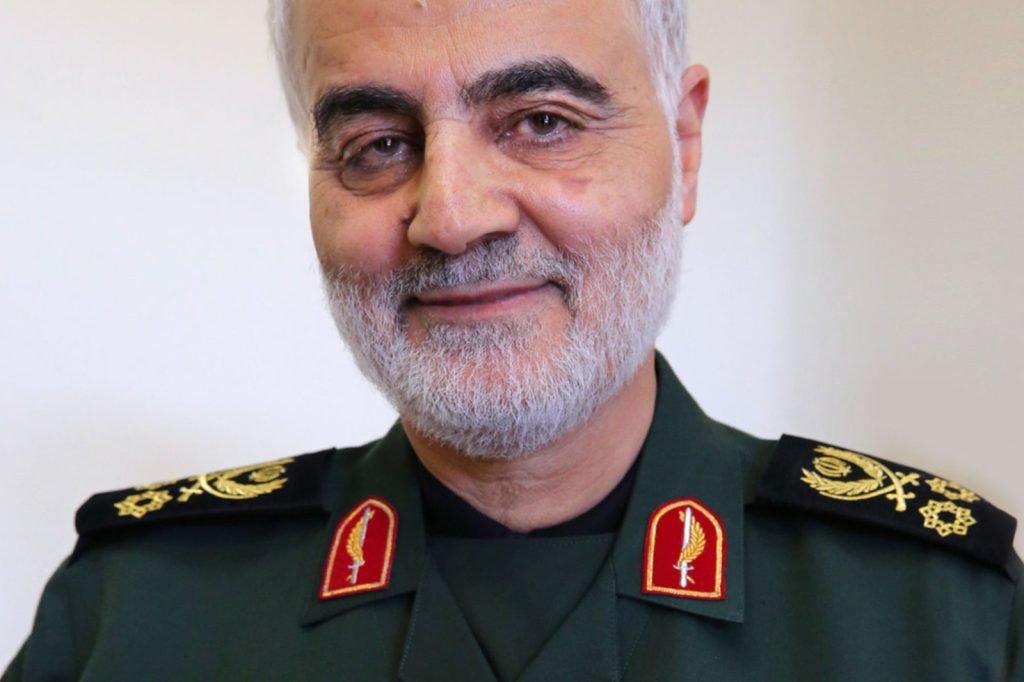
A U.S. military strike that killed Iranian Major General Qasem Soleimani near Baghdad International Airport on January 2 sent shockwaves through global financial markets, abruptly ending a period of record highs on Wall Street. The Dow Jones Industrial Average tumbled 444 points, or 1.5 percent, closing at 28,634.88 in its worst single-day decline in four weeks.
The broader S&P 500 fell by the same margin, while the Nasdaq Composite dropped 1.3 percent. The sell-off was broad, erasing gains from a rally that had pushed the Dow to a record close of 28,868.80 just days earlier on December 27, 2019.
Market Reaction and Flight to Safety
Investors reacted swiftly to the geopolitical escalation, rotating out of equities and into traditional safe-haven assets. The yield on the benchmark U.S. 10-year Treasury note fell to 1.79 percent as bond prices rose.
Gold prices surged 1.6 percent to $1,552.50 per ounce, reflecting heightened anxiety. Crude oil prices jumped 3.1 percent to $63.05 per barrel as markets priced in the risk of disruptions to Middle East energy supplies. Energy stocks initially gained on fears of supply constraints but later joined the broader decline.
The targeted airstrike, authorized by President Donald Trump, was described by the U.S. Department of Defense as an effort to deter future Iranian attack plans. In Tehran, Supreme Leader Ayatollah Ali Khamenei vowed “severe revenge” for Soleimani’s death, raising fears of a broader military confrontation in the region.
The sudden reversal in market momentum underscored how quickly geopolitical risk can upend even the most bullish sentiment.
The Man at the Center of the Crisis
Qasem Soleimani rose from modest origins to become one of Iran’s most influential military figures. Born in 1957 in a rural village in Kerman Province, he left school early to work and later joined the Islamic Revolutionary Guard Corps (IRGC) after the 1979 Iranian Revolution. Within years, he advanced through the ranks, eventually commanding the Quds Force—the IRGC’s elite unit responsible for extraterritorial operations.
Under his leadership, the Quds Force expanded Iran’s influence across the Middle East, supporting allied forces in Iraq, Syria, Lebanon, and Yemen. His strategic role in securing Russian intervention in Syria during that country’s civil war cemented his reputation as a central figure in regional conflicts.
By the late 2010s, Soleimani was widely regarded as the second-most powerful figure in Iran after Supreme Leader Khamenei, often described as the architect of Iran’s asymmetric warfare tactics. The United States designated him a terrorist, and he was also sanctioned by the United Nations and the European Union for involvement in attacks on American and allied targets.
His influence extended beyond military operations; he was seen as a key enforcer of Iran’s regional strategy, sometimes described as the “single most powerful operative in the Middle East.” His death in a 2020 U.S. drone strike in Baghdad marked a rare direct confrontation between the two nations and highlighted the risks of escalation in a long-simmering shadow war.
Contested Legacy and Market Ramifications
Soleimani’s legacy remains deeply contentious. In Iran, state media and officials portray him as a national hero and a defender of the Islamic Republic against foreign threats.
For critics, he embodied Iran’s aggressive foreign policy, linking proxy forces to attacks on Western and Israeli interests. The strike that killed him followed a pattern of covert clashes between the U.S. and Iran, where proxies and covert operations often substituted for direct warfare. Soleimani’s death intensified debates over Iran’s regional ambitions and the U.S. strategy of targeted strikes against high-value targets.
For global markets, the killing was a flashpoint. It disrupted a period of relative calm in U.S.-Iran relations and triggered immediate concerns over energy supplies and broader conflict.
Investors, accustomed to years of geopolitical tension in the region, reacted swiftly—sending oil prices higher, pushing gold and Treasuries up, and wiping out a recent rally in equities. The episode highlighted how a single event in a long-running conflict could ripple across financial systems, reminding markets of the persistent risks embedded in Middle East geopolitics.




