
JINJA, July 7 — Uganda’s Ministry of Agriculture, Animal Industry and Fisheries runs the National Oil Seeds Program, an extension model that puts ministry trainers directly in the field with farmers and local officials.
Two years ago, ministry staff convened a meeting in Namutumba district. The session brought together farmers, district administrators, and ministry personnel. Among those attending was Moshebo Moses, a farmer who learned about improved seed varieties, best farming practices, harvesting techniques, and storage methods.
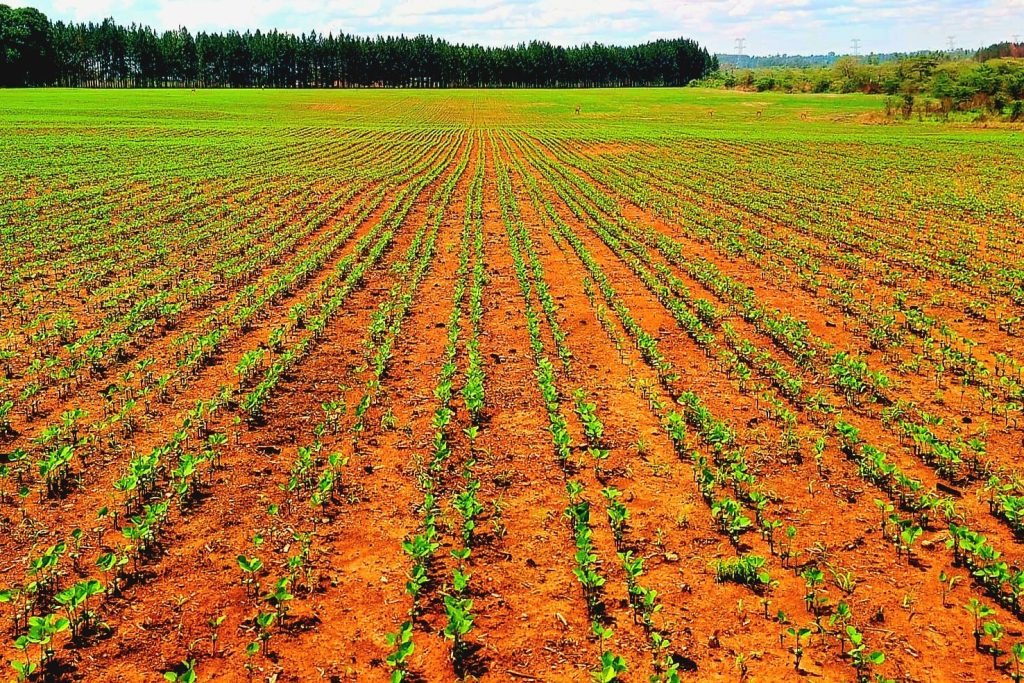
The record shows that training had a direct impact. Moshebo adopted the Mak soya3N soybean variety and expanded his operation from one acre to five acres. The ministry coordinates these efforts with district local governments and farmer cooperatives, including Magada Co-operatives.
The extension model is central to Uganda’s agricultural strategy. MAAIF showcases program results at events such as the National Agriculture Show in Jinja city. The approach relies on face-to-face training rather than broadcast messaging or digital platforms.
Sources familiar with the program describe the Namutumba meeting as a template for how the ministry reaches rural farmers. The session was one of many that MAAIF runs through the National Oil Seeds Program, which provides training and extension services across the country.
On the timeline, the Namutumba meeting occurred two years before the current reporting date. The program’s results are now visible in increased acreage and adoption of improved seed varieties like Mak soya3N.
The ministry’s role includes coordinating between national policy goals and local implementation. District local governments handle day-to-day administration, while MAAIF provides technical expertise and training materials. Farmer cooperatives like Magada Co-operatives serve as intermediaries, organizing groups of farmers for training sessions.
According to the filing, the National Oil Seeds Program is one of several ministry initiatives aimed at increasing agricultural productivity. The program focuses on oil seeds such as soybeans, which are key to Uganda’s food processing and export sectors.
What to watch next: whether MAAIF can replicate the Namutumba model in other districts and scale up training to reach more farmers. The ministry’s presence at the National Agriculture Show in Jinja will offer a chance to assess program results and announce expansion plans.




