
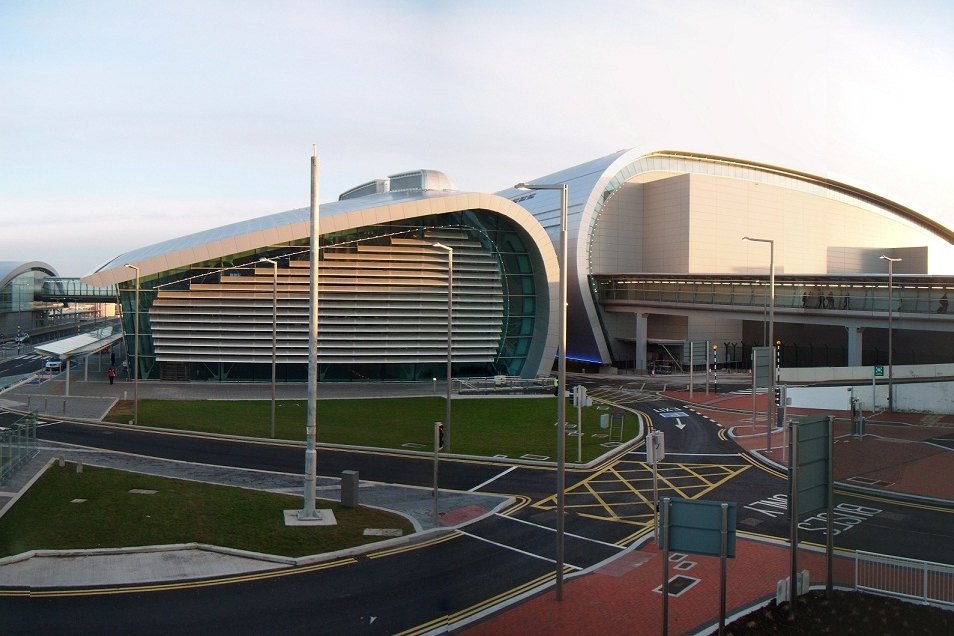
On 9 July 2023, a jet bridge at Dublin Airport in Ireland gave way while attached to an American Airlines Boeing 787, causing structural damage to the aircraft. The incident did not result in any injuries or fatalities, but the aircraft will require repairs before it can resume service.
Jet bridges—also called jetways—are enclosed walkways that link airport terminals to aircraft doors, allowing passengers to board and alight without exposure to the elements. The technology, invented by Frank Der Yuen, is now a standard feature at airports worldwide. These devices may be fixed or movable, swinging radially or extending in length to suit the design of a terminal and the operational needs of airlines.
The collapse at Dublin has prompted an investigation to determine the cause. Airport officials are expected to scrutinise maintenance records and inspection routines in order to identify any shortcomings and to prevent a repeat of the event. The inquiry will also consider whether design or operational factors contributed to the failure.
While the immediate impact was limited to damage to the Boeing 787, the episode underscores the broader importance of regular upkeep of airport infrastructure. Jet bridges, like other critical ground‑support equipment, must be inspected and serviced consistently to safeguard both passengers and staff.
Beyond their routine use in commercial aviation, similar docking mechanisms are employed to connect astronauts with spacecraft, illustrating the versatility of the technology. The Dublin incident therefore serves as a reminder that reliability in such systems is essential across a range of transport sectors.
Industry observers note that continued investment in airport facilities, including jet bridges, is vital as global air travel expands. Modernising infrastructure can improve operational efficiency, enhance passenger comfort and contribute to broader sustainability goals. Airports are increasingly exploring renewable energy sources such as solar and wind power to lower their carbon footprints, an effort that aligns with the aviation sector’s push toward greener operations.
Safe and dependable jet bridge operation also supports economic objectives. Efficient ground handling facilitates smoother flight schedules, which in turn bolsters international trade, tourism and regional development. The Dublin event highlights how a single equipment failure can ripple through these wider economic benefits.
As the investigation proceeds, Dublin Airport authorities are likely to review and possibly tighten their maintenance protocols. The outcome may influence best‑practice guidelines for jet bridge upkeep across other airports, reinforcing the need for rigorous inspection regimes.
In summary, the July 9 collapse at Dublin Airport caused damage to an American Airlines Boeing 787 but resulted in no casualties. The incident has triggered a probe into the bridge’s failure, prompting a reassessment of maintenance standards. It also reiterates the critical role of well‑maintained airport infrastructure in ensuring passenger safety, operational reliability and the long‑term sustainability of the aviation industry.




