
NEW DELHI, June 24 — The government has notified an interim list of 318 permissible development works under the new rural employment framework, ahead of the rollout of the Viksit Bharat – Guarantee for Rozgar and Ajeevika Mission (Gramin) Act 2025 from July 1. According to the filing, the framework identifies four thematic focus areas – water security, core rural infrastructure, rural livelihoods, and special works for mitigation of extreme weather events.
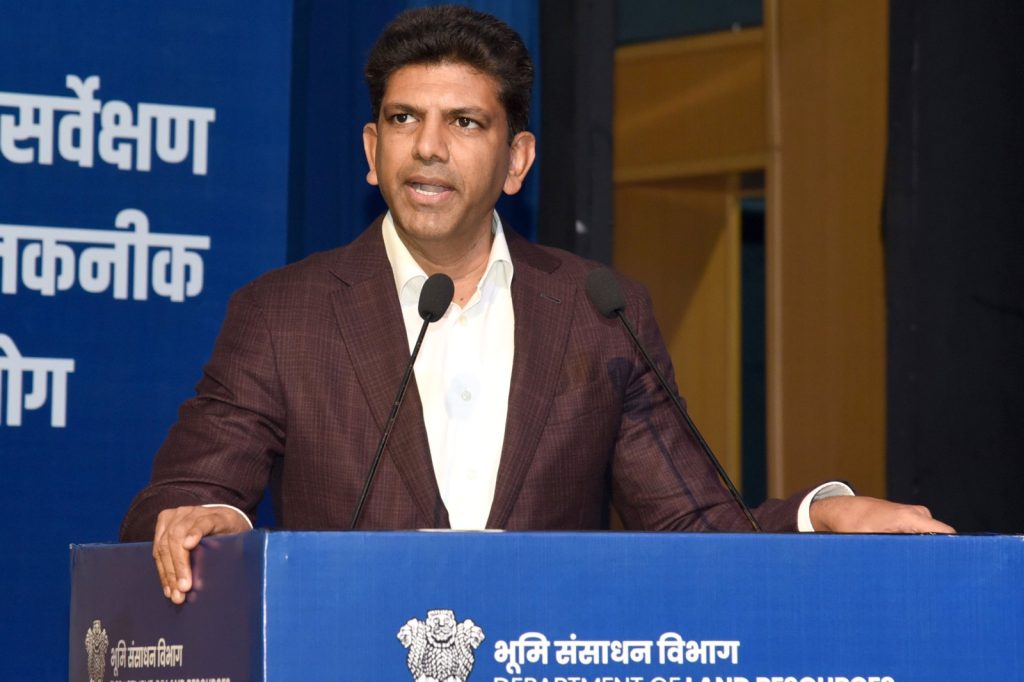
The interim list of 318 works has been drawn based on these themes, covering natural resource management, irrigation, rural connectivity, community infrastructure, livelihood-supporting assets, climate resilience, and disaster preparedness. A high-level inter-ministerial consultation on the draft convergence framework under the VB – G RAM G Act, 2025, was held on Wednesday, chaired by Rural Development Secretary Rohit Kansal.
The consultation was attended by representatives and nodal officers from 18 ministries and departments. The secretary emphasized that convergence is a core pillar of the VB – G RAM G Act and is essential for addressing interconnected rural development priorities such as water security, livelihoods, infrastructure, climate resilience, and local economic development.
The ministry of rural development has shared the list of works with states and other ministries and has asked for their views so that more works can be added going forward based on the requirements specific to certain areas, officials said. This approach will enable different schemes and programmes to work towards common development outcomes while retaining their respective mandates and funding structures.
At the centre of the framework is the Viksit G, which aims to provide a single plan – multi funding approach. Short-term goals are already being set, with the law coming into force from July 1. The government’s notification of the interim list of permissible works is a significant step towards implementing the new rural employment framework.
The consultation held on Wednesday marked a crucial step in the process, bringing together representatives from various ministries and departments to discuss the draft convergence framework. The emphasis on convergence and the single plan – multi funding approach reflects the government’s commitment to addressing the complex and interconnected challenges facing rural development. By bringing together different schemes and programmes under a single framework, the government aims to achieve more effective and efficient outcomes.
As the rollout of the new rural employment framework approaches, it will be important to watch how the government’s plans are implemented and how they impact rural communities. Rural development is a critical area of focus, with the government recognizing the need to address the unique challenges facing rural areas.
The notification of the interim list of permissible works and the consultation on the draft convergence framework are important steps towards achieving this goal. As the government moves forward with implementing the new rural employment framework, it will be essential to monitor progress and assess the impact of these efforts on rural communities and the environment. Looking ahead, the key will be to ensure that the government’s plans are implemented effectively and that the needs of rural communities are prioritized.
With the rollout of the new rural employment framework set to begin on July 1, the coming weeks and months will be critical in determining the success of these efforts. As the government works to address the complex challenges facing rural development, it will be important to watch for updates on the implementation of the new framework and its impact on rural communities.




