
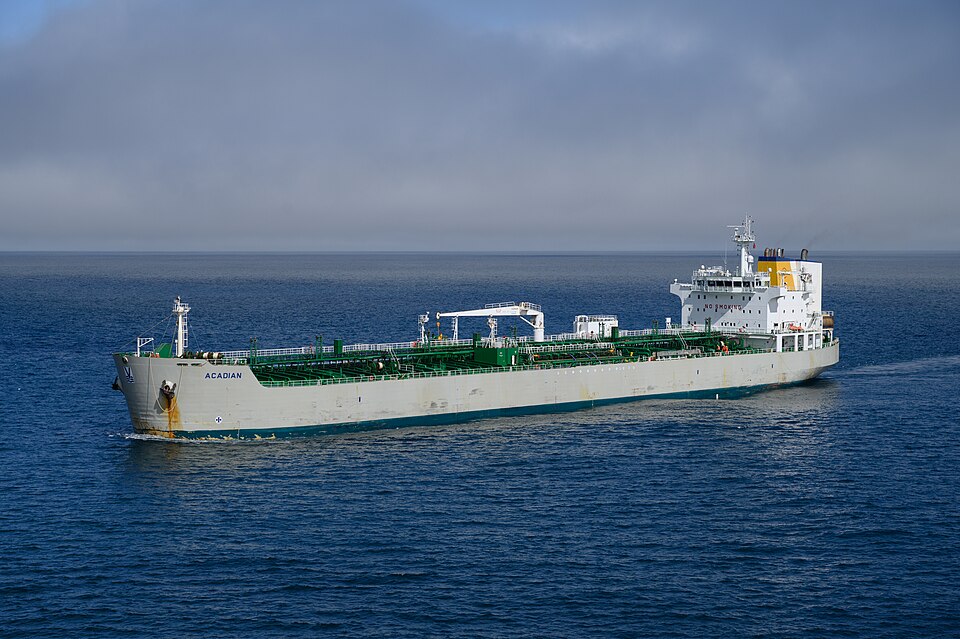
CALGARY, September 21 — The tankers are turning. On the ground along Canada’s West Coast, ship-tracking data and market reports point to a recent and measurable shift in where Canadian energy goes: China has been stepping up purchases of Canadian crude oil and liquefied natural gas as relations between Ottawa and Washington have deteriorated. The scene is not new to the terminals that feed the Trans Mountain system.
What is new is the destination. The pipeline expansion began commercial operations in May 2024, nearly tripling the original system’s capacity to 890,000 barrels per day and, for the first time, giving Alberta’s oil sands a meaningful route to Asian markets from the West Coast.
Chinese refiners, the source material indicates, have moved on that capacity.
A record year for westbound barrels
Canadian crude exports to China reached record levels in 2024, according to ship-tracking data, with volumes exceeding 200,000 barrels per day in some months. The grades moving are heavy sour crudes from Alberta — a close match for the sanctioned Venezuelan and Iranian barrels Chinese refiners have traditionally favoured. China is the world’s largest crude oil importer and has been seeking to diversify its sources.
Scale matters here. Canada is the world’s fourth-largest crude oil producer, and the Alberta oil sands hold the world’s third-largest proven oil reserves, estimated at approximately 170 billion barrels.
For all that, the country’s exports remain overwhelmingly directed south. In 2023, Canada shipped about 4.5 million barrels per day of crude to the United States, against roughly 200,000 barrels per day to China. The China trade is growing.
It is also, so far, a small fraction of the whole.
LNG Canada and the second front
On the gas side, Canada’s first major LNG export facility is scheduled to begin operations in 2025. LNG Canada, at Kitimat in British Columbia, is a joint venture involving Shell, Petronas, PetroChina, Mitsubishi and KOGAS, with capacity of 14 million tonnes per annum in its first phase. Much of the initial output is contracted to Asian buyers, PetroChina among them.
China has expressed interest in additional Canadian volumes. The timing is not accidental.
In 2024, the US imposed a 25% tariff on Canadian steel and a 10% tariff on aluminum, drawing retaliatory measures from Ottawa. Disputes over the US-Mexico-Canada Agreement have run alongside pressure from Washington on Canadian defence spending and criticism of Canadian trade practices. Prime Minister Justin Trudeau said in 2024 that Canada must reduce its reliance on the US market.
China is Canada’s second-largest trading partner; in 2023, bilateral trade totalled about CAD 120 billion (about US$89 billion). Obstacles remain.
West Coast pipeline and port infrastructure is limited, environmental opposition persists, and Ottawa has been cautious about deepening energy ties with China amid broader Western concerns over human rights and security issues. Watch the monthly ship-tracking figures and the first cargoes out of Kitimat. If Chinese buying holds above the levels seen in 2024, the long-standing assumption that Canadian energy flows in one direction is worth revisiting.




