
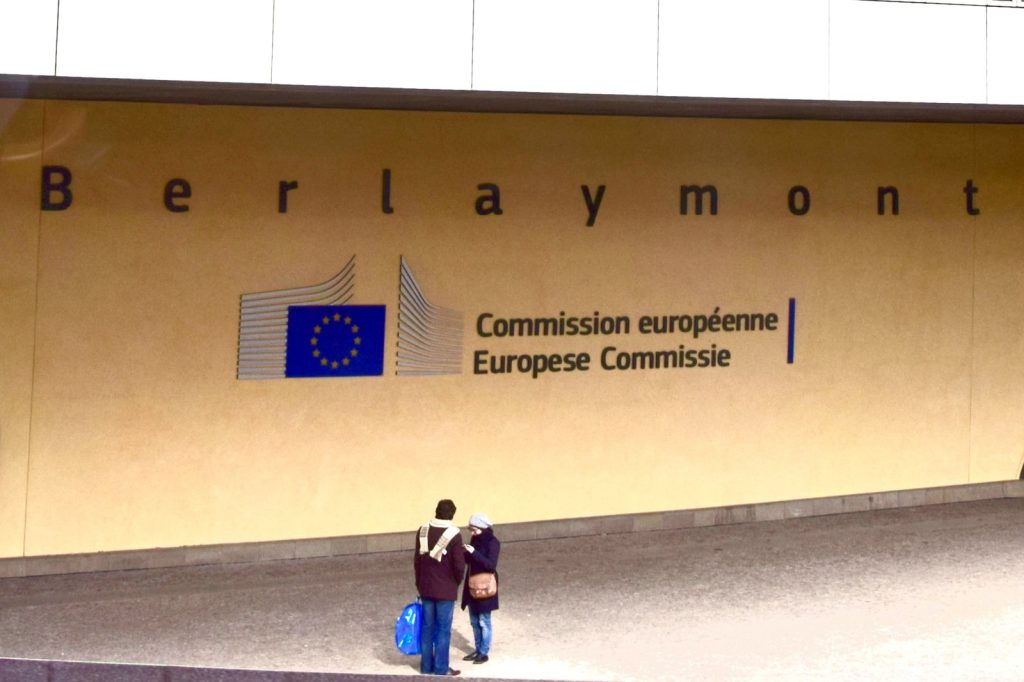
The deal was done in the early hours of a December morning in 2025, after talks that dragged through the night. António Costa, president of the European Council, told reporters the EU had “committed and delivered.” What it delivered was €90 billion for Ukraine, enough to cover 2026 and 2027, paid for by joint EU borrowing.
The money did not come from where many in Brussels had wanted it to come from. Leaders stopped short of using Russia’s frozen assets.
Why the frozen assets stayed frozen
About €210bn in Russian central bank and sovereign funds sits frozen inside the EU, most of it at the Belgian clearing house Euroclear. At the summit, leaders debated a plan to use those assets as collateral for a large, low-interest loan to Kyiv. Under the proposal the assets would not have been seized for good. Repayment would only have come later, and only if Russia agreed to compensation or reparations in a peace settlement.
Belgium balked. Nearly 90% of the frozen assets are held in Belgian financial institutions, and Brussels feared years of legal fights with Moscow; Russia had already launched legal challenges against Euroclear. Other governments would not give Belgium open-ended guarantees. Poland and the Baltic states backed the plan, while Hungary opposed it outright. Faced with deadlock, leaders chose the familiar route of collective borrowing backed by the EU budget.
Germany’s Friedrich Merz, who had argued for a reparations loan, said the funds would be available from mid-January. Volodymyr Zelensky called the decision “significant” and said it “strengthens our resilience.” Vladimir Putin, asked about the broader idea of using Russian assets, called it “robbery.”
Kyiv was not fully satisfied. Ukrainian officials worried the arrangement depends on the will of donor governments, and politicians can lose office within a few years. The EU also moved to keep the Russian assets immobilised indefinitely.
How the money is split
RBC-Ukraine reported that the program is meant to support Ukraine across 2026 and 2027. Of the total, €30 billion is planned as macro-financial assistance to the state and €60 billion goes toward strengthening the country’s defense capabilities. To receive the defense money, Ukraine must give the European Commission an assessment of its defense needs. Priority goes to weapons made in Europe, although in certain cases the funds may also buy non-European-made weapons.
The first payment
On June 25, 2026, Ukraine received the first 3.2 billion euros. “Today, we are transferring the first tranche under the €90 billion Ukraine Support Loan,” Commission President Ursula von der Leyen said, adding: “This is European solidarity in action.” Ukraine’s prime minister, Yulia Svyrydenko, said the funds were already in the State Budget and would help strengthen defense capabilities and social resilience.
The structure shifted just before that payment. The EU removed 5.9 billion euros that had been earmarked for producing and procuring drones for Ukraine, and put 3.2 billion euros in direct budget support into the first tranche instead. According to Euractiv, as cited by RBC-Ukraine, the change was made for technical reasons and to allow effective oversight of how the money is used.
Sources
- EU announces first tranche of €90 billion Ukraine loan package | RBC-Ukraine
- Europe's €90bn loan will buy Ukraine time – but delays decision on frozen Russian assets




