
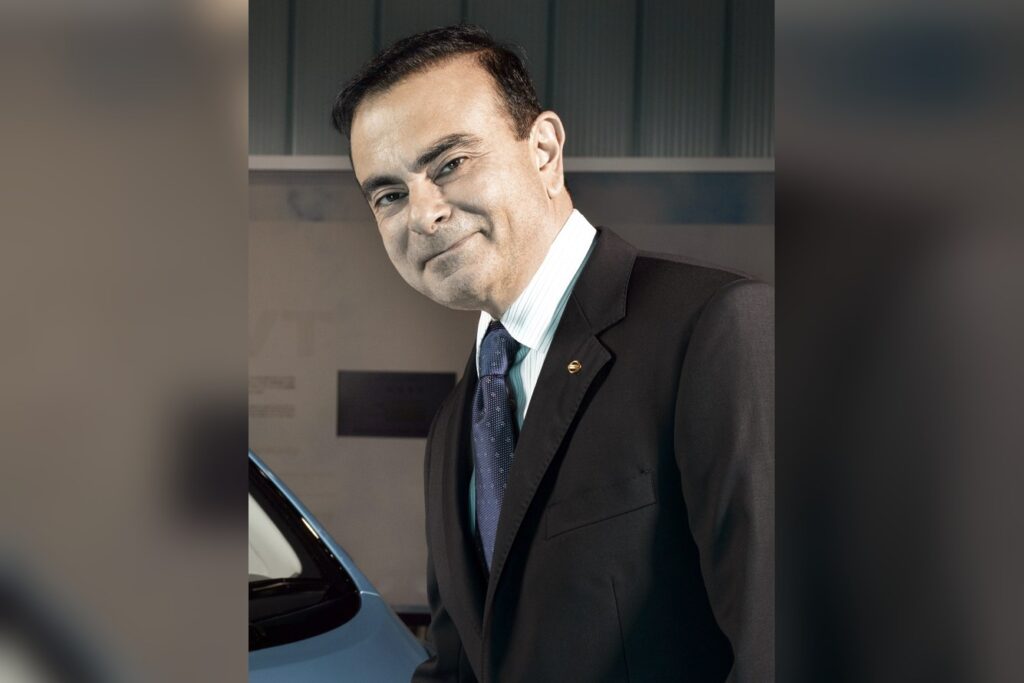
Carlos Ghosn, the former chairman and CEO of the Renault-Nissan-Mitsubishi alliance, once hailed as a titan of the auto industry for his turnaround expertise, fell from grace in spectacular fashion. His downfall began with his arrest in Japan in November 2018 on allegations of financial misconduct, including under-reporting his compensation and breach of trust. This marked a dramatic turn for a man who had been credited with saving Nissan from financial ruin and building a powerful alliance between Renault, Nissan, and Mitsubishi. Ghosn’s rise to the top of the automotive world was swift and impressive, but his exit was marred by controversy, evasion, and ultimately, flight.
Early Career and Rise to Prominence
Ghosn’s career in the automotive industry began with Renault, where he quickly made a name for himself as a cost-cutting expert. His ability to streamline operations and reduce costs without sacrificing performance earned him recognition and respect within the industry. In 1999, he was tasked with turning around Nissan, which was then on the brink of bankruptcy. Ghosn’s success at Nissan was nothing short of phenomenal, returning the company to profitability within a year and setting it on a path of significant growth. His achievements at Nissan led to his appointment as the CEO of the Renault-Nissan alliance, a position that would eventually expand to include Mitsubishi, forming the Renault-Nissan-Mitsubishi alliance.
Building the Alliance
Under Ghosn’s leadership, the Renault-Nissan-Mitsubishi alliance became one of the largest and most successful automotive groups in the world. Ghosn’s vision for the alliance was built on the principles of cooperation, cost-sharing, and strategic planning. He implemented a series of reforms and restructuring efforts that improved efficiency, reduced costs, and enhanced the competitiveness of the alliance’s member companies. The alliance’s success under Ghosn’s stewardship was marked by significant investments in electric vehicles, autonomous driving technology, and the expansion of operations into new markets. Ghosn’s leadership style, which emphasized transparency, accountability, and performance, was seen as a key factor in the alliance’s success.
Arrest and Charges
In November 2018, Ghosn’s world began to unravel when he was arrested in Japan on allegations of financial misconduct. The charges against him included under-reporting his compensation to the tune of millions of dollars and breach of trust for personal use of company funds. Ghosn’s arrest sent shockwaves through the automotive industry and beyond, given his stature and influence. He was subsequently removed from his positions as chairman and CEO of the alliance, although he maintained his innocence throughout the ordeal. While out on bail, Ghosn was awaiting trial, but the Japanese legal system’s handling of his case, including lengthy detention periods and strict bail conditions, drew international criticism.
Flight from Justice
In a stunning turn of events, Ghosn fled Japan in December 2019, smuggled out of the country in a dramatic escape that embarrassed Japanese authorities and sparked an international manhunt. Ghosn made his way to Lebanon, a country with no extradition treaty with Japan, effectively putting him out of reach of Japanese law enforcement. His flight was widely condemned, and an Interpol red notice was issued for his arrest.
The circumstances of his escape, which allegedly involved hiding in a musical instrument case, highlighted the determination and resources Ghosn was willing to deploy to avoid trial. Despite his claims of fleeing to escape a biased legal system, Ghosn’s decision to flee rather than face the charges against him has been seen by many as an admission of guilt or, at the very least, a lack of confidence in his ability to clear his name through the legal process.
Legacy and Current Status
Today, Carlos Ghosn remains a fugitive, living in Lebanon and facing an Interpol red notice. The charges against him were never tested at trial due to his flight, leaving many questions about his guilt or innocence unanswered. His legacy in the automotive industry is complex, with some hailing him as a visionary leader who transformed the companies he led, while others see him as a symbol of corporate greed and corruption.
The Renault-Nissan-Mitsubishi alliance, once the pinnacle of his achievement, has moved on without him, but the impact of his leadership and the controversy surrounding his exit continue to shape the industry. Ghosn’s story serves as a cautionary tale about the dangers of unchecked power and the importance of accountability in corporate leadership.
Conclusion
The fall of Carlos Ghosn from the pinnacle of success to the status of a fugitive is a stark reminder of the transient nature of power and the consequences of alleged wrongdoing. His rise was marked by brilliance and strategic vision, but his downfall was hastened by allegations of financial misconduct and a dramatic flight from justice. As the automotive industry continues to evolve, the legacy of Carlos Ghosn will remain a topic of discussion, a reminder of both the heights that can be achieved through vision and leadership and the depths to which one can fall when faced with allegations of corruption and greed.




