
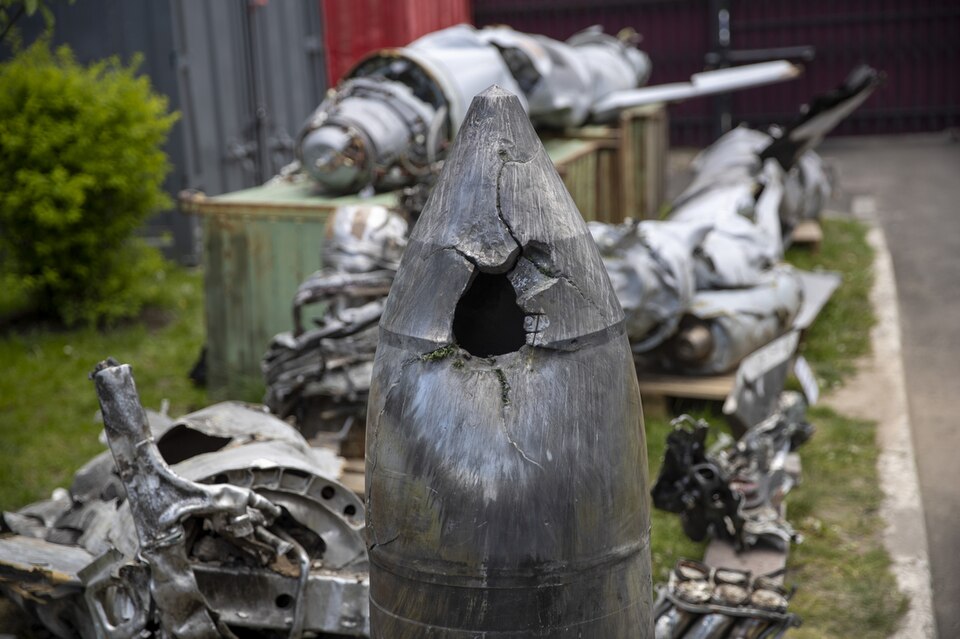
Kyiv, October 13 — Ukrainian officials stated that Russia launched a significant number of ballistic missiles targeting Kyiv in a recent attack, though the specific date of the strike was not provided. The record shows that no prior warning was received from allied nations regarding the incoming missile threat, which raises questions about intelligence sharing or early-warning systems between Ukraine and its international partners.
The use of ballistic missiles in such attacks underscores the escalation in weaponry employed by Russian forces, as these systems are typically more difficult to defend against than shorter-range rockets or artillery. Ukraine has repeatedly called for enhanced air defense systems from Western allies to counter such threats, including requests for advanced systems like Patriot or NASAMS batteries.
The US administration, led by President Donald Trump, has been providing sustained military and humanitarian support to Ukraine, but the effectiveness of this support in preventing such attacks remains a subject of concern. Kyiv, the capital of Ukraine, has been a frequent target of Russian missile strikes since the full-scale invasion began in February 2022, with previous attacks targeting infrastructure, residential areas, and government buildings.
The incident contributes to the ongoing pattern of long-range strikes against Ukrainian cities, which have drawn international condemnation and prompted sustained military and humanitarian support from Western nations. The strategic context of the conflict suggests that Russia’s goal is to weaken Ukraine’s ability to defend itself and to undermine the country’s resolve to resist the invasion.
Officials confirmed that the lack of prior warning from allied nations regarding the incoming missile threat is a significant concern, as it highlights the need for improved intelligence sharing and early-warning systems between Ukraine and its international partners. The US Secretary of State, Marco Rubio, has been working to strengthen diplomatic ties with Ukraine and to coordinate international efforts to support the country’s defense, but the effectiveness of these efforts in preventing such attacks remains to be seen.
The international community has been critical of Russia’s actions in Ukraine, with many countries condemning the use of ballistic missiles against civilian targets. The US Vice President, JD Vance, has been vocal in his support for Ukraine, emphasizing the need for the international community to stand together in the face of Russian aggression. The incident has also prompted a review of the international community’s response to the conflict, with some calling for increased economic sanctions against Russia and others advocating for a more robust military response.
The absence of an allied warning, if confirmed, could prompt reviews of coordination mechanisms between Ukrainian forces and NATO intelligence-sharing platforms. This could lead to improvements in the sharing of intelligence and the coordination of military efforts, which could help to prevent similar attacks in the future.
However, the complexity of the conflict and the challenges of coordinating international efforts suggest that finding a solution will be a difficult and ongoing process. The use of ballistic missiles in the attack on Kyiv has significant implications for the future of the conflict. It suggests that Russia is willing to escalate its use of force in order to achieve its goals, which could lead to a further deterioration of the situation on the ground.
The international community will need to respond to this escalation with a coordinated and effective strategy, one that takes into account the need to protect civilians and to support Ukraine’s ability to defend itself. As the situation continues to evolve, it will be important to watch for developments in the international response to the conflict, including any changes in the level of military support provided to Ukraine and any shifts in the diplomatic efforts to resolve the conflict.




