A Visionary Leap for Autonomous Living in Japan
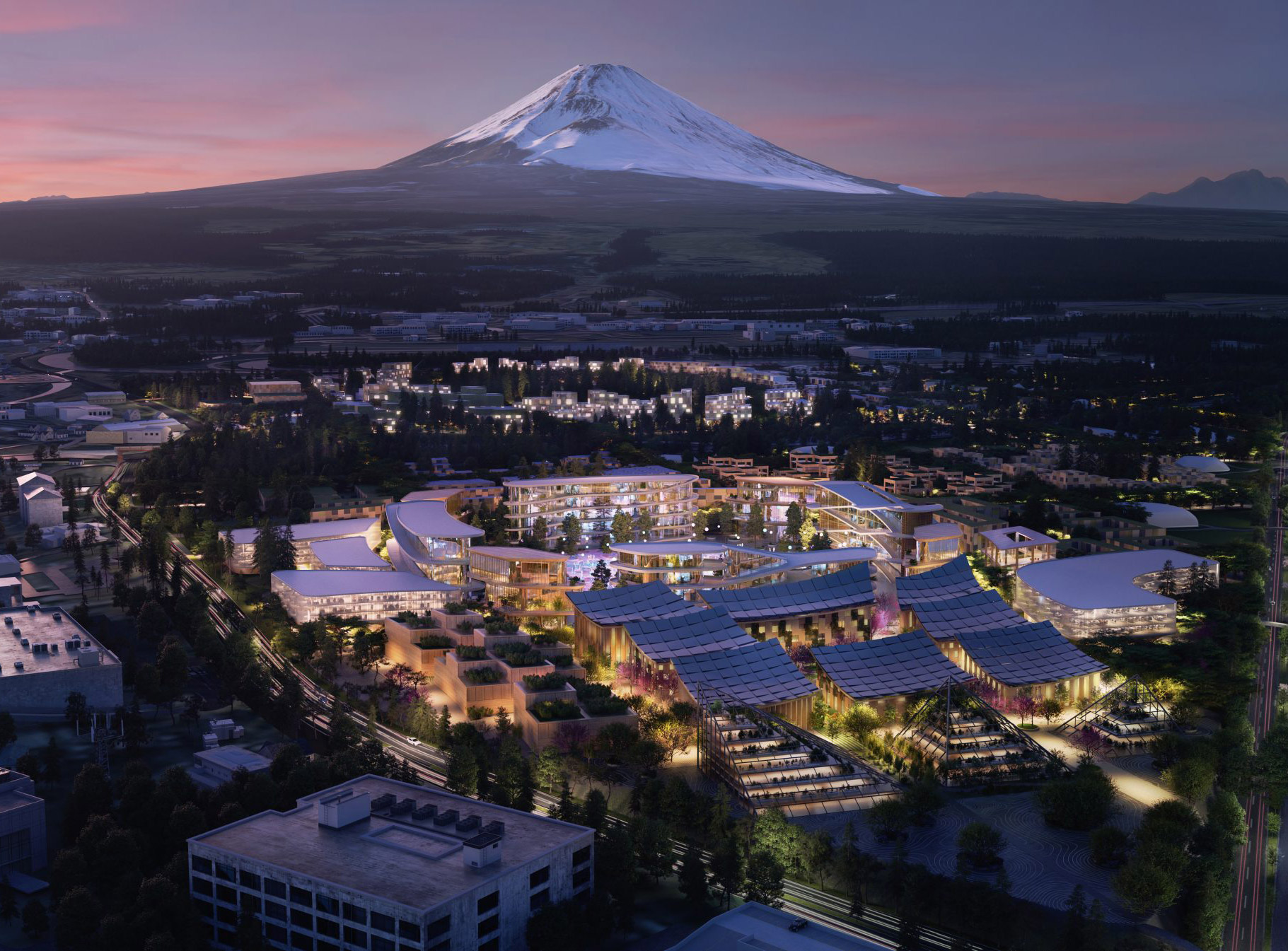
Toyota Motor Corporation announced a transformative initiative to convert a massive 175-acre former manufacturing facility into a living laboratory known as the “Prototype City of the Future.” Speaking at the Consumer Electronics Show in Las Vegas on January 7, 2020, Toyota CEO Akio Toyoda revealed plans to establish this new community at the base of Mount Fuji. The project aims to house over 2,000 residents and serve as a comprehensive testing ground for autonomous vehicles, hydrogen fuel cell technology, and smart home ecosystems. This ambitious venture represents a significant shift from traditional automotive manufacturing toward integrated urban solutions that promise to redefine how people live, travel, and interact with their environment.
The Architecture of Mobility
The heart of the Woven City lies in its unique approach to transportation infrastructure. As explained by Toyota officials, the development will feature three distinct types of roads woven together into an organic grid pattern designed specifically to accelerate the testing of autonomy. The first road is designated for faster vehicles, ensuring efficient transit for those needing speed. The second pathway is reserved for owners of lower-speed personal mobility vehicles such as bicycles and electric scooters, promoting sustainable and individual travel options. The third path serves solely pedestrians, designed with the aesthetic and functional qualities of a park to encourage walking and community interaction.
This layered approach allows researchers to simulate real-world traffic conditions without the chaos of public highways. By separating these modes of transport within a controlled environment, Toyota can test how autonomous systems navigate complex scenarios involving mixed traffic flows. The integration of these three distinct road types creates a dynamic testing bed where algorithms can learn to handle everything from high-speed highway merging to slow-moving pedestrian crossings. This structured yet flexible design ensures that the technology developed here will be robust enough to handle the unpredictability of actual city streets once deployed in broader markets.
Smart Living and Hydrogen Power
Beyond transportation, the Woven City will function as a fully integrated smart home environment powered by clean energy. Future occupants, composed primarily of Toyota employees and researchers, will live with ease thanks to advanced sensor-based Artificial Intelligence systems embedded throughout the infrastructure. These AI networks will manage everything from energy distribution to environmental monitoring, creating a smooth user experience that anticipates needs before they arise.
The entire community will run on hydrogen fuel cell technology, marking a major step forward in sustainable urban planning. This choice of power source aligns with Toyota’s broader commitment to reducing carbon emissions and developing alternative energy solutions. The presence of Mount Fuji provides a stunning backdrop for this eco-friendly experiment, but the location also offers practical advantages for testing how renewable energy sources can power dense residential areas. Residents will experience a lifestyle where technology operates invisibly in the background, handling daily tasks with precision while maintaining a high quality of life.
A Collaborative Hub for Global Innovation
Toyota has explicitly stated that other companies wishing to use the project as a benchmark for technology will be accommodated within this new ecosystem. This inclusive approach transforms the Woven City into more than just a corporate show; it becomes an open platform for global collaboration in autonomous vehicle development and smart city planning. By inviting external partners, Toyota ensures that the innovations tested here can be rapidly scaled and adapted for use across different regions and industries.
The project benefits from the expertise of renowned Danish architect Bjarke Ingels, whose design philosophy emphasizes sustainability and social responsibility. His involvement guarantees that the physical structures will not only house new technology but also foster community engagement and environmental stewardship. This combination of architectural vision and technological innovation creates a unique environment where ideas can flourish and practical solutions can emerge from real-world application.
Building Tomorrow Today
Construction on this visionary project is scheduled to begin in 2021, marking the transition from concept to reality. The Woven City is a sign to what becomes possible when automotive giants commit fully to the future of urban living. While challenges remain in scaling these technologies for mass adoption, the prototype offers a clear roadmap for how autonomous systems and smart infrastructure can coexist harmoniously. This initiative demonstrates that the next generation of cities will not just be places where we live, but environments that actively improve our daily lives through intelligent design and sustainable practices. As the foundation is laid at the foot of Mount Fuji, the world watches closely to see how this prototype will shape the future of mobility and community living for decades to come.