
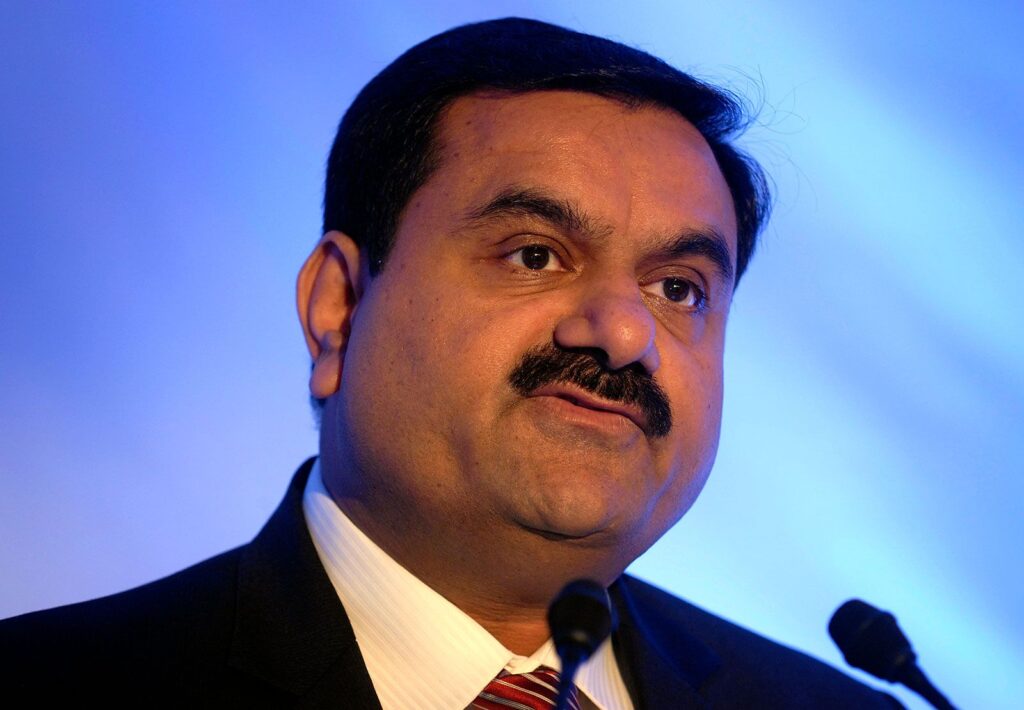
Gautam Adani has sworn that he knows of no deal behind the U.S. Justice Department’s move to drop its criminal case against him. Outlook Business, citing PTI, reported on July 16 that the Adani Group chairman put this in an affidavit filed in federal court in New York.
The affidavit answered a direct question from the bench. On July 8, U.S. District Judge Nicholas Garaufis of the Eastern District of New York ordered Adani to say under oath, by July 15, whether he was aware of any promise, offer or agreement tied to the dismissal. The judge has yet to rule on the department’s request to end the case with prejudice, which would close it for good. Adani wrote that he was not aware of “anything promised, offered, sought, received, agreed to, or accepted” by anyone in connection with the dismissal.
The $10 billion pledge
The money at the center of the question is a pledge Adani made in public. In November 2024 he posted on X that the Adani Group planned to invest $10 billion in the United States and create 15,000 jobs. In the affidavit he said the indictment and the SEC complaint had not yet been unsealed when he wrote that post, and he did not know they existed.
He did concede that his lawyers later raised the idea. According to the affidavit, counsel from Sullivan & Cromwell LLP met Justice Department and SEC officials and handed over a white paper, expert reports and other material. They signalled that the investment could form part of a resolution if U.S. authorities chose to weigh it. The Justice Department then told them the plan would not figure in its decision, Adani said, a stance he described as consistent with remarks by principal associate deputy attorney general Trent McCotter.
His lawyer Robert Giuffra, who has represented President Donald Trump in the past, filed a separate declaration. It cited a May 2026 email from Justice Department officials to the lawyers for Gautam Adani, Sagar Adani and Vneet S Jaain. The email, Outlook Business reported, said the idea of resolving the criminal charges partly through a $10 billion U.S. investment was “categorically rejected.”
How the case got here
The Justice Department indicted Adani in 2024, under the Biden administration. Prosecutors accused him and seven others of a scheme to pay about $250 million in bribes to Indian officials to win power supply contracts, and alleged securities fraud for misleading investors about the group’s anti-bribery efforts. Adani has denied every allegation.
The ground shifted this year. In May the SEC announced a settlement of its civil suit against Adani and his nephew Sagar Adani, subject to court approval. The two agreed to pay a combined $18 million in penalties. In June the Justice Department said it would decline further legal action against Adani and his associates. Media reports then suggested the group’s U.S. investment offer had played a part, and the decision drew controversy.
Judge Garaufis was unimpressed by the department’s first explanation. On June 26 he called its dismissal motion “terse, bland and conclusory” and told prosecutors to explain themselves. The department defended the move, pointing to the limited evidence of corruption found by Indian authorities and to the largely foreign jurisdiction of the case. The judge then turned to Adani for his sworn statement.




