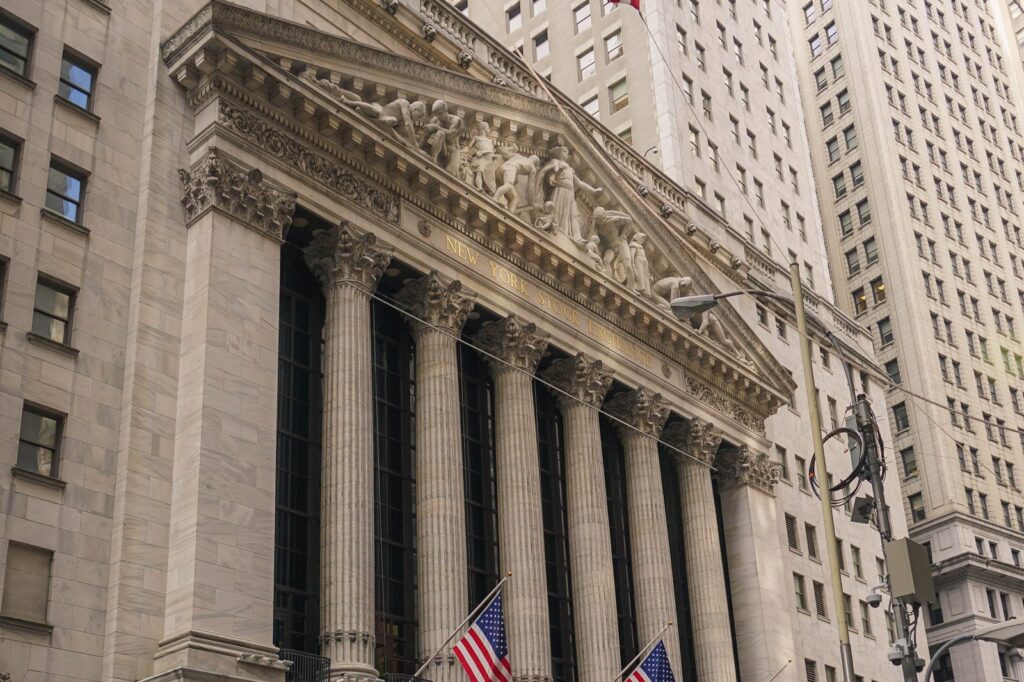
NEW YORK, November 29, 2026 — Five major US exchanges will launch 23×5 equity trading on December 6, extending the session to nearly 24 hours and activating consolidated quote and trade reporting overnight for the first time. Nasdaq, NYSE Arca, Cboe EDGX, MEMX and 24X will operate with Securities Information Processors running through the night, creating a single tape that has previously existed only during regular hours.
The Bottom Line
Overnight trading currently represents just 0.8% of US equity dollar volume, per SEC staff data, but it carries two to three times more price risk than that volume suggests, according to Bloomberg analysis of a decade of futures, news and event data.
By the Numbers
Trading between 9 pm and 4 am ET accounts for roughly 5% of S&P 500 futures volume yet contributes 14% of daily price variance. Nasdaq-100 futures show a similar pattern: about 6% of volume drives 12% of daily price movement. The concentration is stark: the 10 most actively traded stocks make up 51% of overnight dollar volume versus 21% during regular hours, according to the SEC Office of Analytics and Research.
Global Events Drive Disproportionate Moves
Nearly 44% of weeknights see at least one major story involving a US-listed company break while domestic exchanges are closed, Bloomberg found. Bank of Japan decisions triple Nasdaq-100 futures price variance in the hour following release. US election and referendum nights increase that variance by roughly 11 times.
Asian tech earnings have triggered outsized opening swings in US chip stocks for years. Across 121 earnings releases from TSMC, Samsung, SK Hynix, Tokyo Electron and ASML since 2016, US chip-equipment stocks saw opening moves roughly 2.6 times larger than normal. The figure that matters: when ASML reported on January 29, 2025, during US overnight hours, its ADR opened 6.4% higher while peers Lam Research, Applied Materials and KLA gained between 2.6% and 4.1%.
Liquidity and Spreads
Overnight bid-ask spreads in S&P 500 futures have been only 20% to 40% wider on volatile nights despite significant variance increases, Bloomberg research shows. The exception was the March 2020 pandemic sell-off. The new exchange-based structure introduces consolidated pricing and market-wide price protections that have not previously existed during those hours.
Institutional Adoption Expected to Start With Major Events
Participants at a September SEC roundtable said institutions are likely to begin overnight trading during major events — earnings, elections, geopolitical developments — before expanding activity more broadly. Current overnight trading largely occurs through alternative trading systems rather than public exchanges.
VWAP and Benchmarks Accumulate From 9 pm ET
Volume-weighted average price, trading volume and trade-date calculations will begin accumulating from approximately 9 pm ET even for firms that choose not to participate in overnight trading. Execution desks, brokers and institutional investors will need to determine whether their benchmarks reflect the full trading session or only regular Wall Street hours.
Sources
Photo: Jeffrey Zeldman from Manhattan, USA (CC BY 2.0)