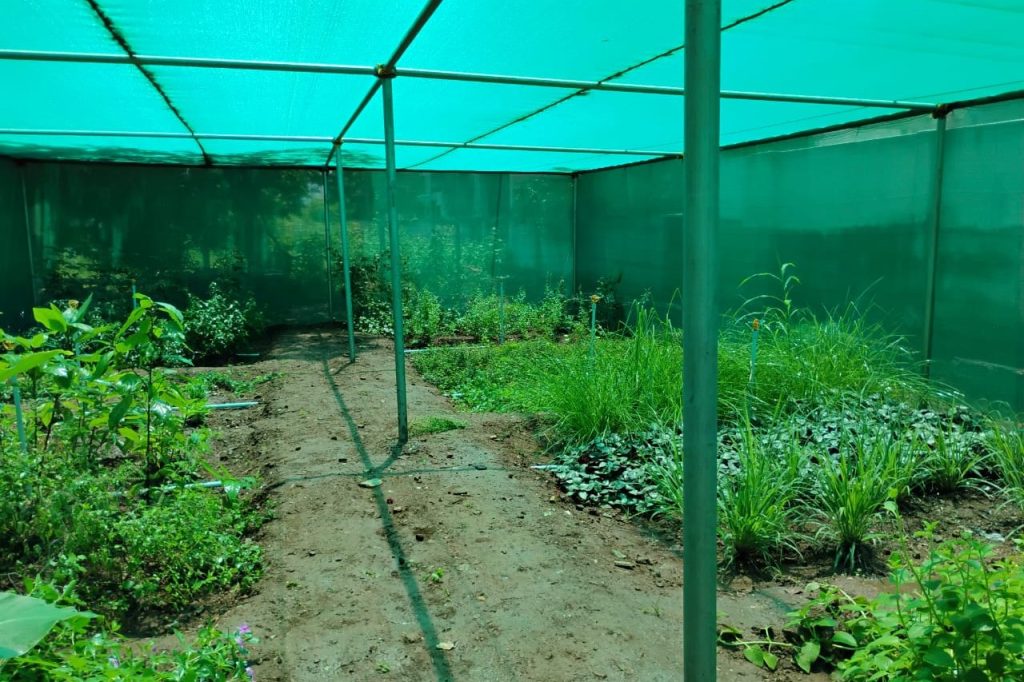
A farmer who covers a crop with shade net buys cooler plants and pays for it in light. The net blocks the sun’s heat, but it blocks the sun the leaves need too.
Sumitomo Metal Mining says its Solament AgriCool Shade avoids that bargain. The fabric absorbs near-infrared light, the part of sunlight responsible for much of the heat, and lets visible light through almost untouched. Plants run photosynthesis on visible light, so they keep working.
Think of sunglasses that cut glare without dimming what you see. An ordinary shade net is closer to a blanket.
What the company reports
Field trials run with agricultural partners, Sumitomo says, lowered soil temperatures by up to 8.5 degrees Celsius at the height of summer. In some case studies the reduced heat stress went along with yield gains of up to 50 percent, though results vary by crop, location and conditions. Treat that as a ceiling, not a promise.
The fabric uses special weaving that lets growers adjust how much visible and near-infrared light passes, depending on the crop. It also admits controlled amounts of ultraviolet light. That matters for the colour of aubergines and for pollinating insects such as bees.
The company also says the material can hold down greenhouse and fruit-surface temperatures, which cuts sunscald and cracking in high-value crops. Cooler greenhouses are easier on the people working in them, too.
On the farm in Hokkaido
Through its ReFarm initiative, Sumitomo has started trials with farmers, agricultural organisations and local governments across Japan. Masaru Nakano of Nakano Farm in Hokkaido grows tomatoes under the shade. According to the company, he reported much less heat stress and steadier fruit quality. Lower accumulated temperatures also pushed his harvest later, spread out his shipping periods and helped stabilise market supply.
Researchers are also looking at whether the fabric could help protect traditional Japanese heirloom vegetables that have grown harder to cultivate in rising heat.
The material is built on rare-metal-derived inorganic nanoparticles and is designed to resist ultraviolet degradation, so it should keep its heat-blocking performance over long periods. Beyond greenhouses, developers see uses in open-field tunnels and agricultural workwear. Trials continue across different climates and crop varieties.